
Last updated November 21, 2026
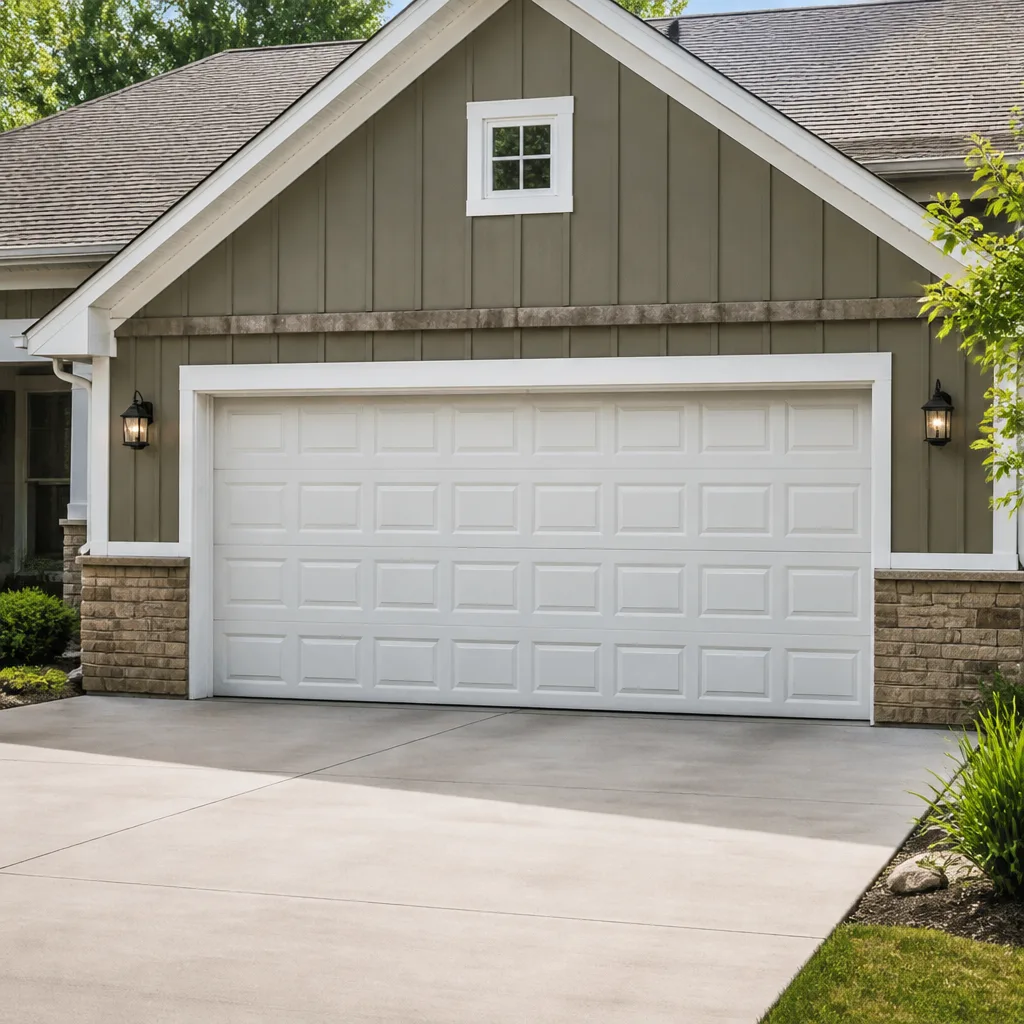 Raised-panel steel
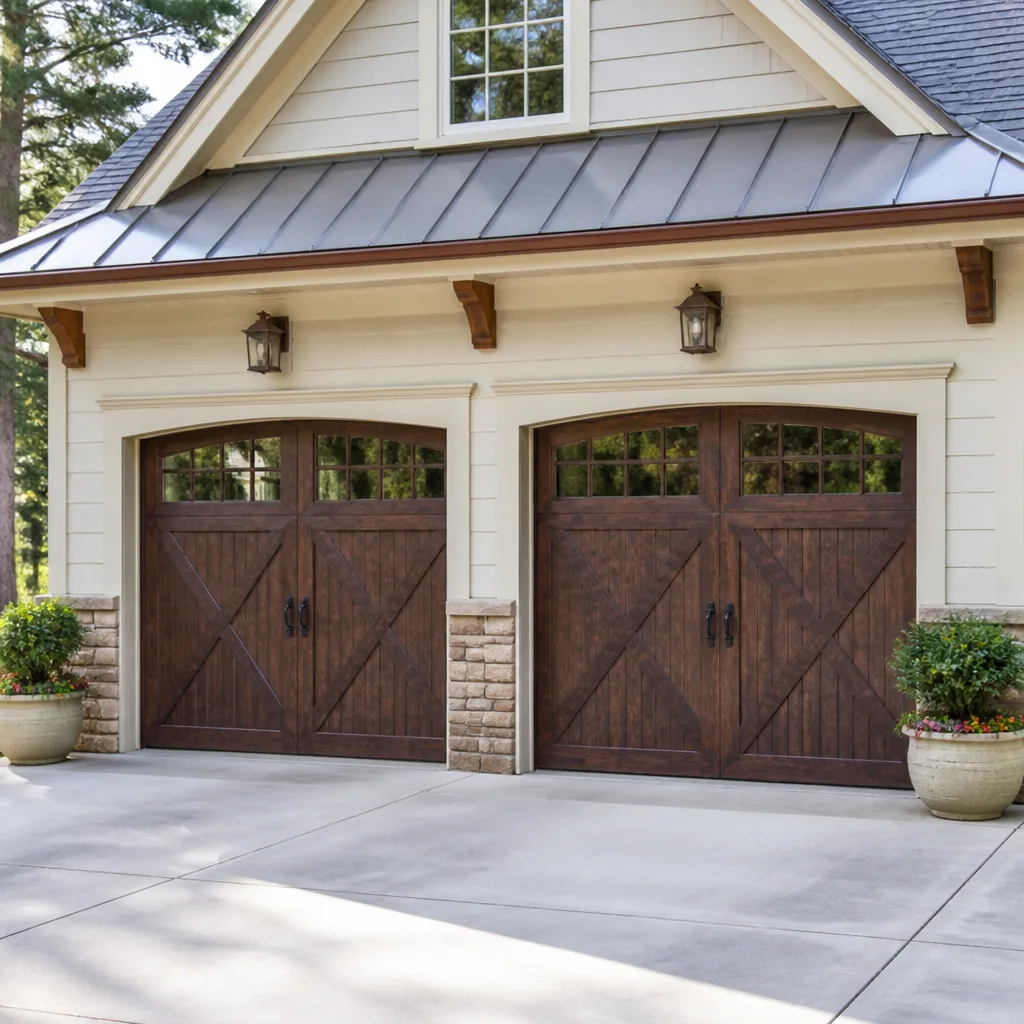 Carriage house
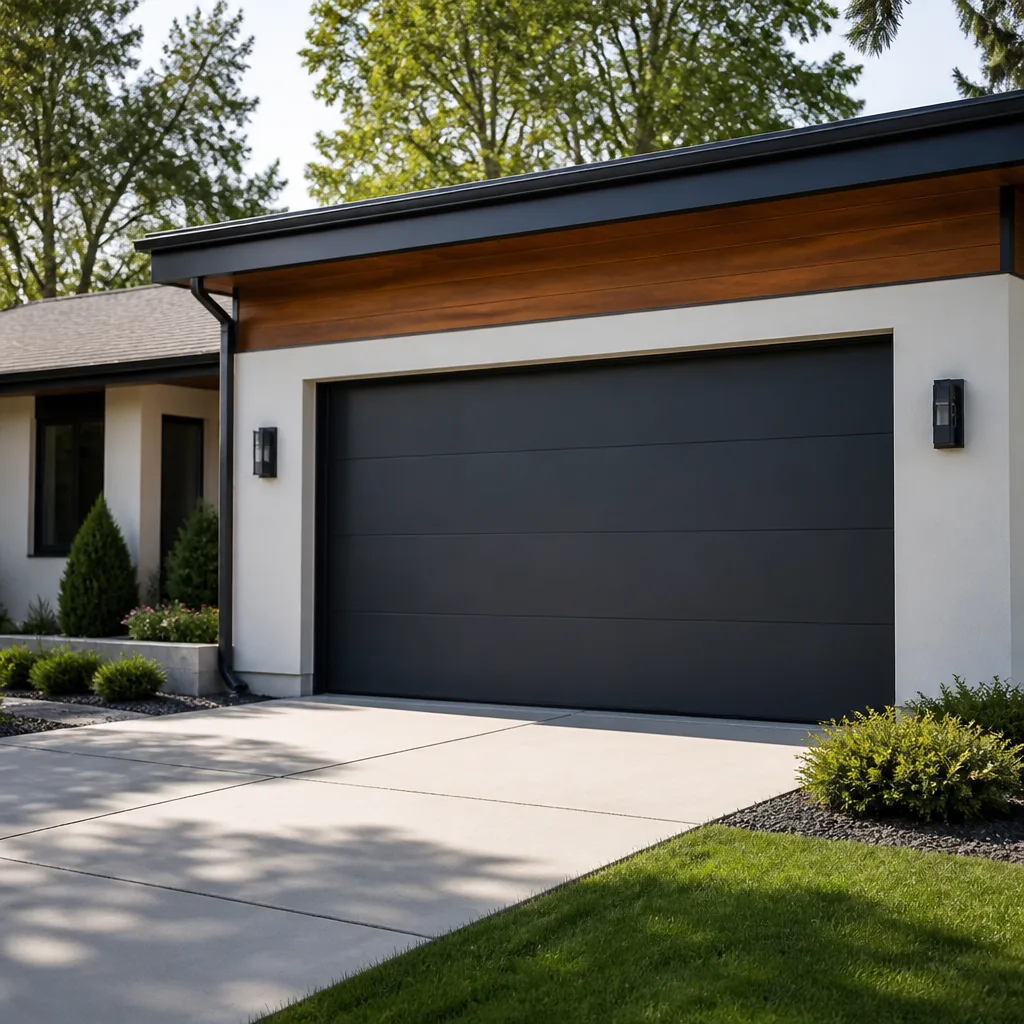 Modern flush
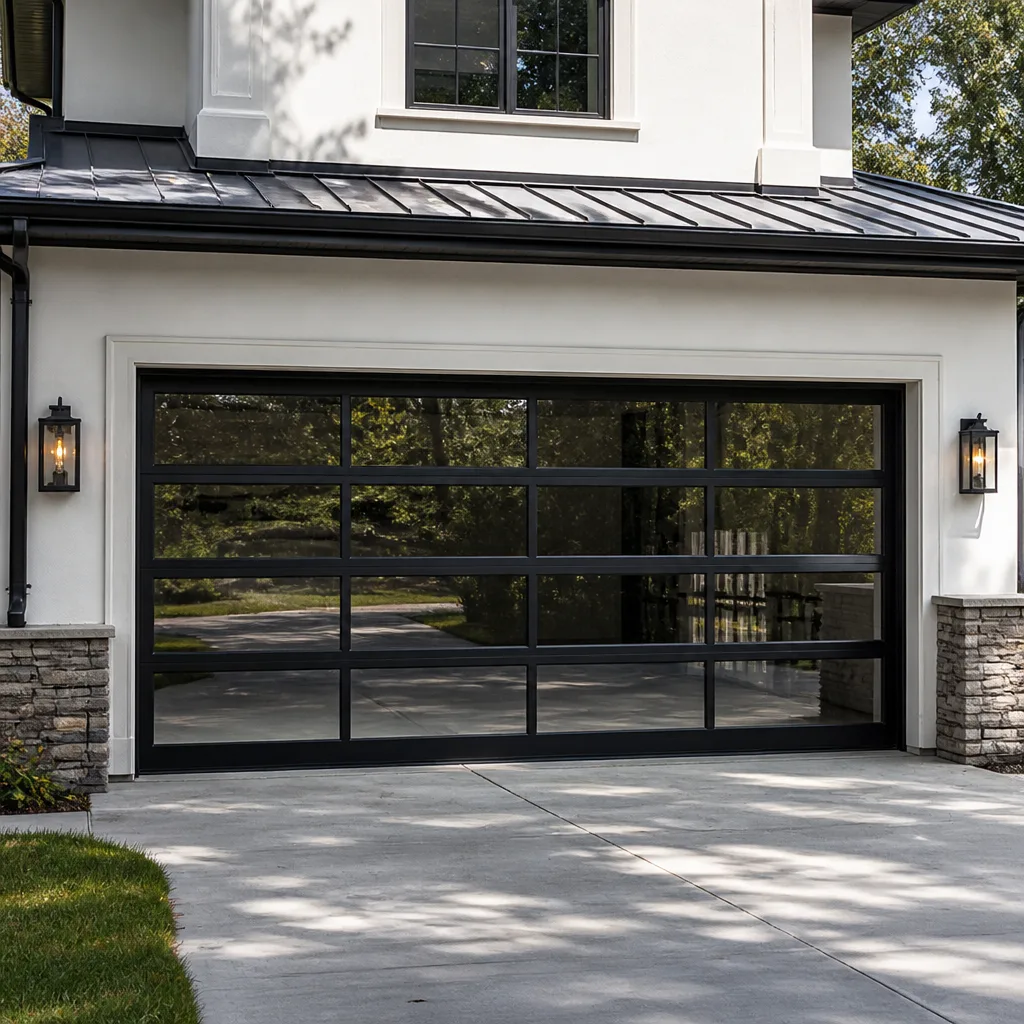 Full-view glass
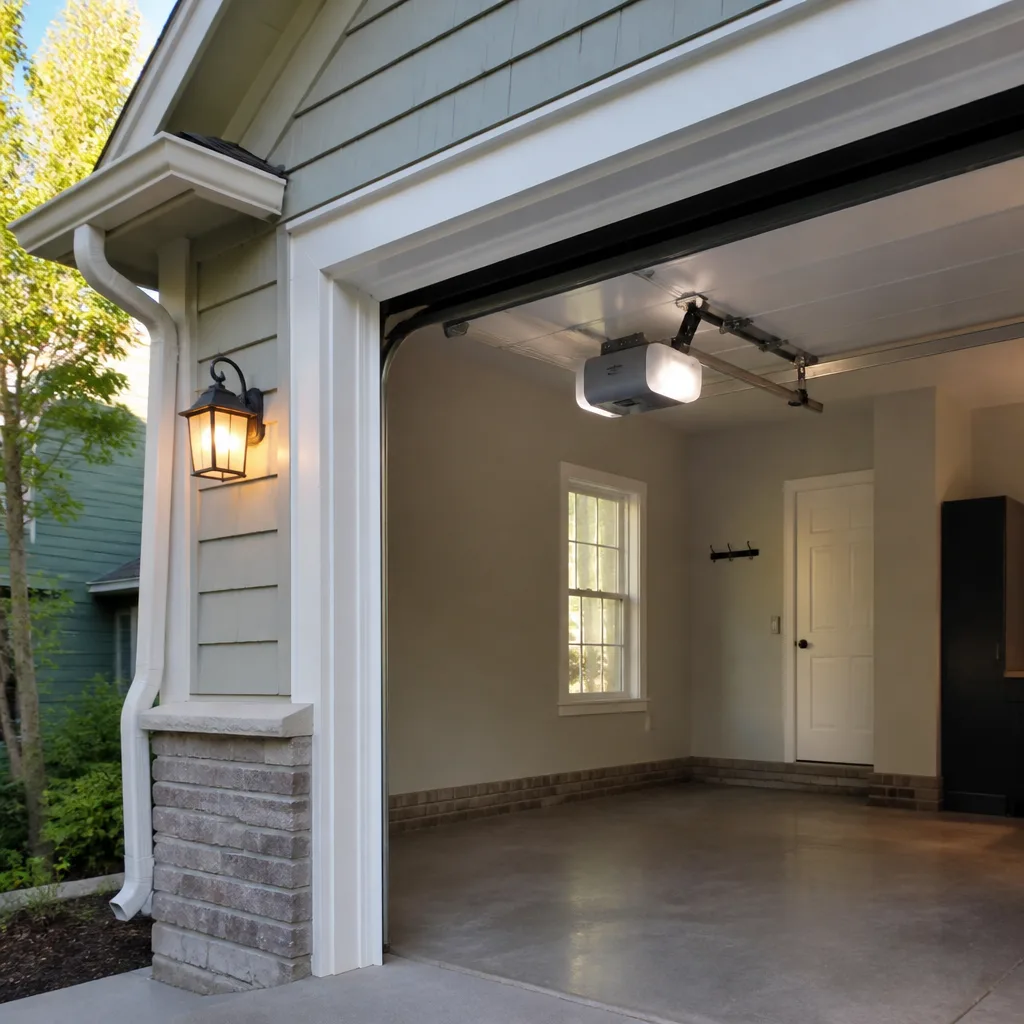 LiftMaster openers
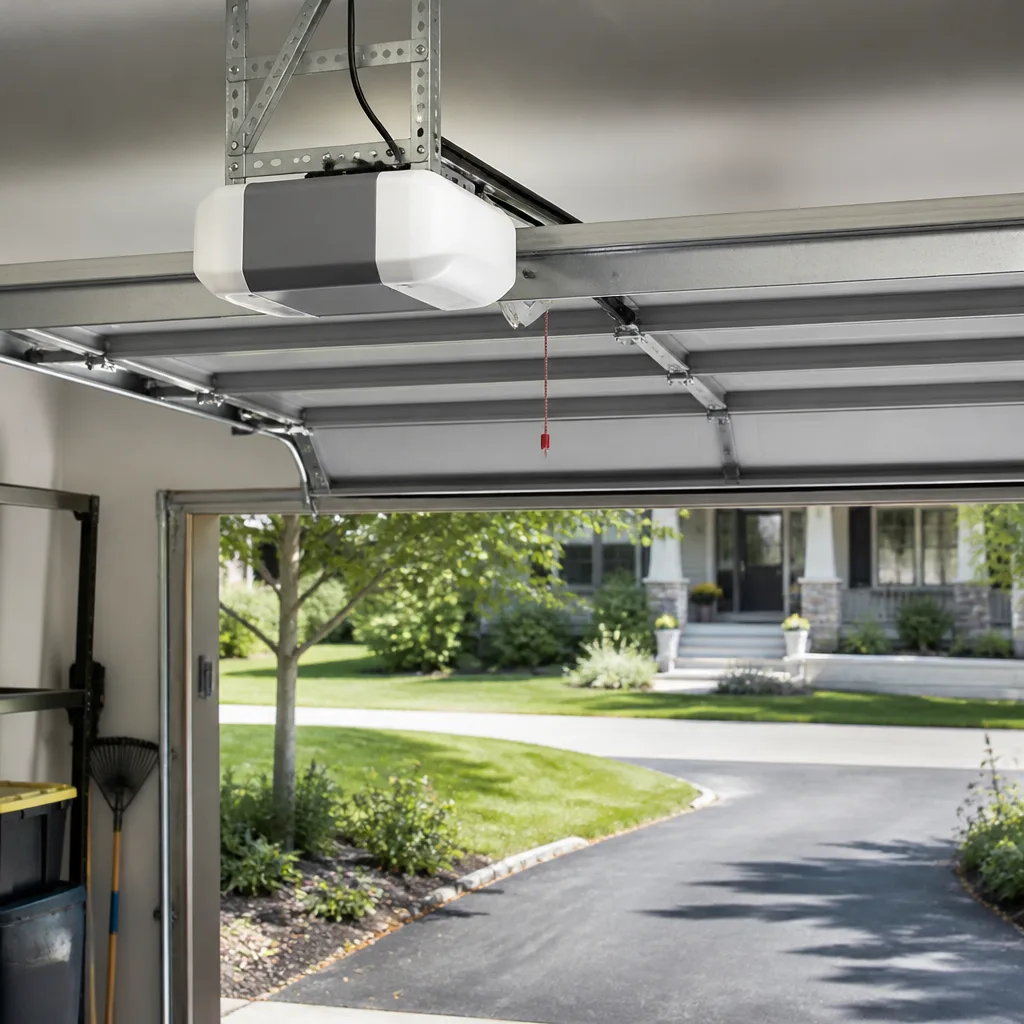 Chamberlain openers
Full 25-point door and opener safety check with every visit - springs, cables, rollers, tracks, and your LiftMaster or Chamberlain opener included
You get a price before we start. It does not change when the pro arrives.
Get your free estimateGarage Door Emergency Preparedness Guide for Joliet Homes
Most garage door advice starts after something breaks. That’s backwards. The homeowners who handle a snapped spring or a door stuck half-open in the cold calmly are the ones who set up for it months earlier, usually in about ten minutes. Joliet winters are hard on torsion springs and opener gears, and the wind that cuts across the plain puts real load on a door panel that’s already tired. This guide covers the prep work first, then the emergency itself: how to disengage an opener by hand, how to secure an open garage safely, and how to tell a genuine emergency from something that can wait until morning.
Quick Answer
Garage door emergency preparedness in Joliet comes down to three steps taken before anything fails: know where your manual release is and how it works, save a local garage door number you can actually reach, and understand which failures are true emergencies (broken spring, door off track, door that won’t close and leaves the home open) versus which can wait for a scheduled repair. Do those three things and a 2 AM failure becomes a phone call instead of a scramble.
Styles & brands we work with
- Raised-panel steel
- Carriage house
- Modern flush
- Full-view glass
- LiftMaster openers
- Chamberlain openers
Table of Contents
- The Two Free Things to Do This Week
- What Counts as a True Garage Door Emergency?
- How to Safely Disengage Your Opener and Move the Door by Hand
- Is the Door Safe to Touch After a Spring Failure or Impact?
- How to Secure a Garage When the Door Won’t Close
- Why Joliet Winters Break Garage Doors
- Knowing Your Door and Opener Brand Before You Need Help
- Common Mistakes to Avoid
- When to Call a Professional
- Frequently Asked Questions
The Two Free Things to Do This Week
Before anything else, two pieces of prep cost nothing and cover most of the panic in a real breakdown. Do them now, while the door still works.
1. Find and test your manual release. Every opener with a trolley has a release cord or handle hanging from the rail. On most models it’s red. Pull it once, with the door fully closed, and watch the trolley disconnect. Then re-engage it by running the opener. Knowing the pull direction and the feel of the disconnect before you need it is the difference between a two-minute job and twenty minutes of fumbling in the dark with cold hands.
2. Save a local number you can reach. A national call center routes you to whoever is closest and available, which is rarely the fastest path. Save a number for a company that works on garage doors in Joliet and answers when you call. Keep it in your phone under something you’ll find fast, and write it on a strip of tape inside the garage near the opener. When the power is out or your phone is at 4%, a number on the wall beats a search engine.
While you’re at it, note two more things on that tape: the brand name on your opener (LiftMaster and Craftsman are both common in older Joliet homes) and the brand stamped on the door itself. A technician who knows the brand before arriving can load the right parts for the visit.
That’s it. Two minutes of prep, zero dollars, and you’ve removed most of the stress from a future emergency.
What Counts as a True Garage Door Emergency?
Not every garage door problem needs an urgent call. Sorting the real emergencies from the inconveniences saves you money and gets faster help to the people who actually need it.
True emergencies (call right away)
- A broken torsion or extension spring. The door may come down hard or not open at all. Never operate a door with a broken spring – the opener is lifting a weight it wasn’t designed to carry alone, and the door can fall.
- The door is off its track. A door hanging at an angle or partially out of the track can drop. Stop using it and keep people and vehicles clear.
- The door won’t close and the home is exposed. A door stuck open leaves your garage, and often the door into the house, accessible. That’s a security problem, not just an inconvenience.
- A vehicle is trapped inside. A car blocked by a dead door is a real emergency if someone needs to leave for work, a medical appointment, or a child’s school run.
- The door came down on something or someone. If the door reversed improperly or the safety sensors failed, stop using the opener and have the system checked.
- A commercial door is blocking business. A storefront or shop door that won’t open stops revenue. That moves to the front of the line.
Can usually wait for a scheduled visit
- A noisy door, a squeaky roller, or a door that shudders on the way up
- A remote that needs reprogramming or a keypad that stopped responding
- A door that opens fine but closes slowly, or an opener light that stays on
- Cosmetic dents, a bent bottom panel, or weatherstripping that’s worn through
- A door that runs but sounds rougher than it used to
If you’re not sure which list your problem falls into, call and describe it. A quick conversation usually settles it, and it’s better than guessing wrong on a door that might drop.
How to Safely Disengage Your Opener and Move the Door by Hand
Every garage door opener manual covers this, and almost every one makes it harder than it needs to be. The steps are simple once you’ve done them once. Practice with the door closed and the opener working, so you’re not learning under pressure.
- Close the door fully first. Never pull the release with the door open or halfway up. With the door open, the springs are under tension and the door can slam down the moment you disconnect it.
- Locate the release cord. It hangs from the trolley on the opener rail, usually with a red handle. If the cord is missing, the trolley has a lever you can flip with a screwdriver.
- Pull straight down and slightly toward the door. You should feel the trolley click free. If it doesn’t release, don’t force it – some models need the door nudged a few inches first.
- Lift the door slowly with both hands. Use the handle or the bottom edge, and keep your fingers away from the hinge joints between panels. A well-balanced door lifts with modest effort. If it feels extremely heavy, stop – the springs aren’t doing their job and the door may not stay up.
- Test that the door holds. Lift it about waist high and let go gently. A balanced door stays put at any height. A door that sinks on its own has a spring problem and should not be left open unattended.
- To re-engage, run the opener with the door closed until the trolley clicks back into the carriage. You’ll hear it seat.
If the door won’t lift at all, or lifts far too easily and won’t stay up, the springs are the problem. That’s a job for a trained technician – torsion springs are under extreme tension and can cause serious injury if handled without the right tools and technique.
Is the Door Safe to Touch After a Spring Failure or Impact?
Before you pull the release or try to move the door, look at it. A few visible signs mean the door is not safe to operate by hand.
- Visible gap in the spring coil. A torsion spring that has snapped shows a clear break, often with the two halves hanging loose. Do not touch it. Do not try to move the door.
- Cables that are slack, tangled, or off their drums. Cables under tension can whip if released. Leave them alone.
- Panels that are bent, buckled, or separated from the hinges. A bent door can bind in the track and drop without warning.
- The door sitting crooked in the frame. A door with one side higher than the other is off its track or has a broken spring on one side. Keep clear.
- Loud creaking or popping when you nudge it. That sound means metal is under abnormal stress. Stop.
If the door looks straight, the springs look intact, and the door lifts smoothly by hand and stays up, you may be able to move it manually to get a car out. Move it slowly, keep people and pets clear of the path, and don’t leave it open. If anything looks wrong, leave the door exactly as it is and call for help. A trained technician can make the door safe before anyone touches it.
How to Secure a Garage When the Door Won’t Close
A garage door that won’t close at night is a security problem, not just a mechanical one. Here’s what actually works to secure the opening, and what gives false confidence.
What works
- Close and lock the door between the garage and the house. This is the single most important step. Even with the garage open, a locked interior door keeps the house secure.
- Move valuables out of the garage – tools, bikes, anything visible from the street – into the house or a locked storage area.
- Block the opening with a vehicle if you have one you can park across the threshold. It’s not a barrier, but it makes the garage far less appealing to someone passing by.
- Use a heavy-duty cable lock or a chain through the door’s track if the door is down but the opener won’t latch it. Run the cable through the track and around the roller, then lock it. This holds a closed door shut.
- Turn on exterior lighting that covers the driveway and garage front. Light is a deterrent.
What gives false confidence
- Relying on the opener’s lock feature if the door won’t close in the first place. The lock only works when the door is already down.
- Wedging a chair or board under the door. A determined person can move it, and it makes the situation look worse to anyone passing.
- Assuming the door is closed because the opener light went off. Check with your own eyes before you go to bed.
- Leaving the garage’s interior door unlocked because “the garage door is down.” If the door is down but unlatched, it can still be lifted from outside on some models.
A door that won’t close needs a repair, and a technician can usually make it secure. If you’re heading to bed with an open garage, call and describe the situation. A door that won’t close because of a sensor or alignment issue can often be made secure quickly.
Why Joliet Winters Break Garage Doors
Joliet sits in a climate that swings hard between seasons, and garage door hardware feels every degree of it. Torsion springs are steel under constant tension, and repeated freeze-thaw cycles, combined with the contraction that comes with single-digit nights, make winter the season when most springs fail. The same cold makes metal brittle and stiffens the grease in rollers and hinges, which adds load to the opener.
There’s a second factor specific to this region: wind. The open plain west and south of Joliet means gusts hit garage doors with more force than in a sheltered neighborhood. Older single-car doors with thin panels take the worst of it. A door that’s already loose or out of balance will flex more in wind, and that flex works the hinges and rollers harder over a season.
You can’t stop winter, but you can reduce the load:
- Have the door balanced and the springs checked before the first hard freeze. A spring that’s near the end of its life usually gives warning – a door that’s harder to lift by hand, or one that doesn’t stay up when you let go halfway.
- Keep the tracks clean and the rollers lubricated. A garage door lubricant, not WD-40, on the hinges, rollers, and spring (if it’s an extension spring) reduces strain through the cold months.
- Clear snow and ice from the bottom seal and the threshold. Ice buildup under the door can stop it from closing fully, which trips the safety reverse and leaves the door open.
- Watch for a door that reverses for no reason on cold mornings. That’s often a sensor or a stiff mechanism, and it’s worth a look before it gets worse.
If your door is already struggling – hard to lift, noisy, or slow – a garage door repair visit before winter is cheaper and less stressful than an emergency call in January.
Knowing Your Door and Opener Brand Before You Need Help
When you call for emergency help, the two most useful things you can tell the person on the phone are the brand of your door and the brand of your opener. That’s not a sales question – it’s a parts question. A technician who knows they’re working on a Wayne Dalton door with a LiftMaster opener can bring the right springs, rollers, and opener components on the first visit. Without that, the job may need a second trip.
Here’s where to look:
- On the opener: the brand and model number are usually on a label on the back or side of the motor housing, near where the rail meets the unit. LiftMaster, Chamberlain, Genie, and Craftsman are the most common residential openers in this area.
- On the door: look at the hinges and the bottom bracket. Door manufacturers often stamp their name on the hardware. Clopay, Amarr, Wayne Dalton, and Raynor are common on Joliet-area homes. There may also be a sticker on the inside of the top panel.
- On the spring: a color-coded band or a painted stripe on the spring tells a technician its wire gauge and wind, which determines the correct replacement. You don’t need to decode it – just don’t let anyone remove the spring without noting it.
Our technicians work on all of the major residential and commercial brands, so you don’t need to find a dealer for your specific door or opener. If your garage door opener repair involves a smart opener with app control or an older mechanical unit, the diagnosis starts the same way: brand, model, and what the door is doing.
If your door is older and repairs are adding up, it may be time to talk about a garage door installation. A new door with a matched opener removes most of the failure points that cause emergency calls in the first place.
Common Mistakes to Avoid
- Pulling the manual release with the door open. This is the most common and most dangerous mistake. With the door up, the springs are loaded and the door can slam down the moment it’s disconnected. Always close the door first.
- Trying to lift a door with a broken spring. The opener and the springs share the load. With the spring gone, the door is far heavier than it looks and can come down on you. Call for help instead.
- Using the opener to “test” whether the door still works after a spring snap. Running the opener against a broken spring strains the motor and the gear assembly, which can turn a spring repair into a spring-and-opener repair.
- Assuming a garage door that won’t close is a sensor problem and adjusting the sensors randomly. Misaligned sensors are one cause, but a door that reverses can also be a travel-limit issue, a binding track, or a failing logic board. Adjusting without diagnosing usually makes it worse.
- Leaving the interior door unlocked because the garage door is down. An unlatched garage door can sometimes be lifted from outside. Lock the interior door any time the garage door is in question.
- Ignoring a door that’s getting harder to lift. A door that needs two hands instead of one is telling you the springs are losing tension. That’s the warning before the failure, not after it.
- Calling a national dispatch line in a genuine emergency. A local company that answers its phone and knows the area will get a technician to you faster than a call center that has to find someone. Save a local number in advance.
When to Call a Professional
Call a professional for any broken spring, any door that’s off its track, any door that won’t close and leaves the home exposed, any opener that’s smoking or making a grinding noise, and any door that dropped or reversed unexpectedly. Spring repair in particular is not a do-it-yourself job – torsion springs are under extreme tension, and the tools and technique required are specific to the trade. A trained technician can make the door safe before anyone touches it.
For everything else – a noisy door, a remote that won’t pair, a door that’s slow or stiff – a scheduled visit is the right call. Joliet Garage Door Repair Co offers free estimates in Joliet. Our technicians have up to 13 years of experience, work on all the major door and opener brands, and can handle anything from a snapped spring to a full new-door installation. Call (855) 426-1669. We answer 24/7. Fast dispatch from 7am to 7pm, Sunday through Friday.
Frequently Asked Questions
Stop using the door and keep everyone clear of it. Don’t run the opener, don’t try to lift the door by hand, and don’t pull the manual release if the door is open. Call a garage door technician and describe what you see – a visible gap in the spring, the door’s position, and whether a car is trapped. A broken spring is the most common garage door emergency in Joliet, and it’s also the most dangerous to handle without training.
Yes, if the door is balanced and the springs are intact. Close the door fully first, pull the manual release cord hanging from the opener trolley, then lift the door slowly with both hands. A balanced door lifts with modest effort and stays up at any height. If the door feels extremely heavy or won’t stay up, the springs need attention – leave it closed and call for help.
Lock the door between the garage and the house first, then move valuables inside, park a vehicle across the opening if you can, and turn on exterior lights. If the door is down but unlatched, run a cable lock through the track and around a roller. Don’t rely on the opener’s lock feature or a chair wedged under the door – neither is secure. Then call for a repair.
No. The price for a repair is quoted and agreed before any work starts, whether the call comes in as an emergency or a scheduled visit. You’ll get a written estimate that sets the final price, and you can approve it before a technician begins. Call (855) 426-1669 for an exact quote – estimates are free.
Broken torsion springs, especially in winter. The freeze-thaw cycle and the cold snaps common to this part of Illinois put repeated stress on the spring, and a spring that’s near the end of its life often fails on the first hard freeze. Doors that are off track and openers that have failed are the next most common reasons for an emergency call in Joliet.
In most cases, yes. A door stuck open with the home unsecured is treated as a priority, and fast dispatch from 7am to 7pm, Sunday through Friday, gets a technician out the same day in most situations. Call (855) 426-1669. We answer 24/7. A call outside dispatch hours is booked into the next opening.
The Bottom Line
Garage door emergencies in Joliet are manageable when you’ve done three things in advance: found and tested your manual release, saved a local number you can reach, and learned to tell a real emergency from a repair that can wait. When something does fail, the same rules apply every time: close the door before you pull the release, never touch a spring that’s visibly broken, secure the opening before anything else, and call a trained technician for anything involving springs, cables, or a door off its track. Two minutes of prep now saves hours of stress later – and our team at Joliet Garage Door Repair Co is one call away when you need us. Call (855) 426-1669 for a free estimate. We answer 24/7, with fast dispatch from 7am to 7pm, Sunday through Friday.
Written by the team at Joliet Garage Door Repair Co.
See the difference
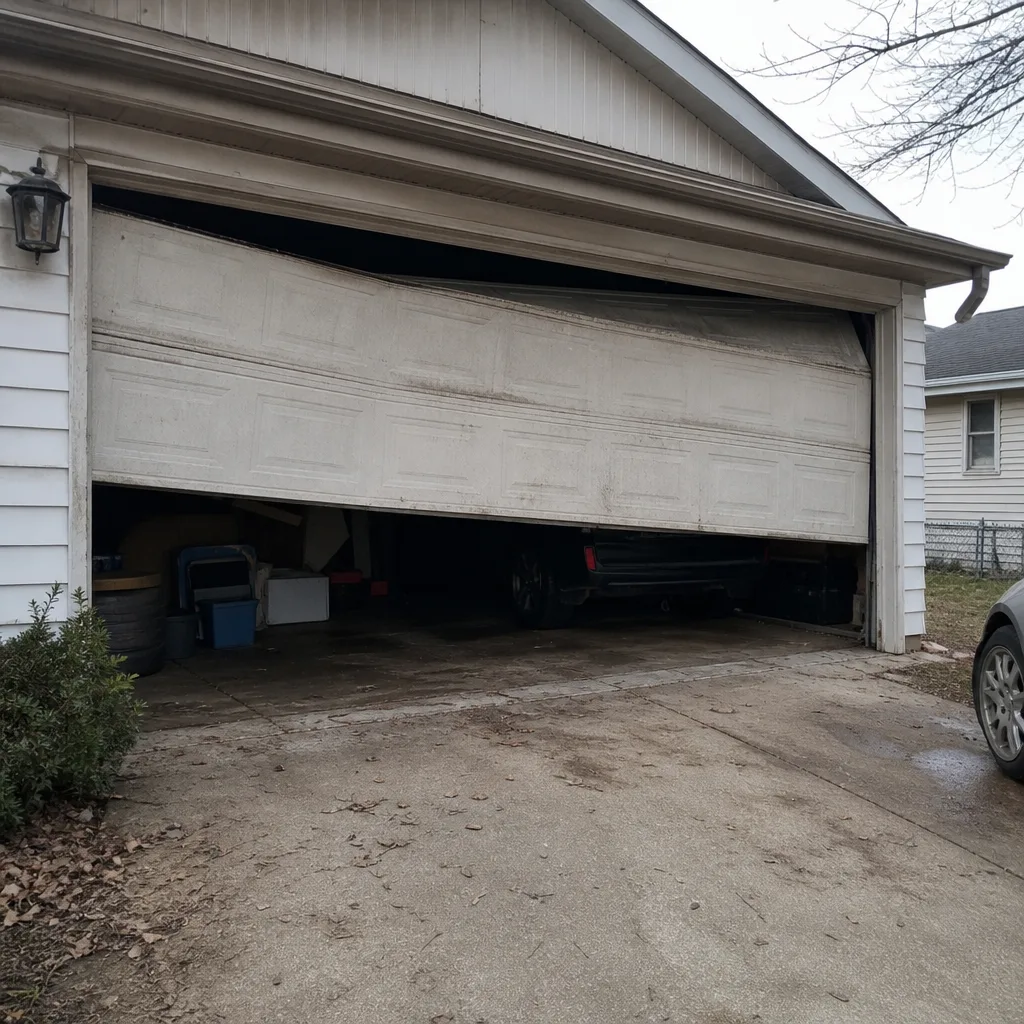 Before
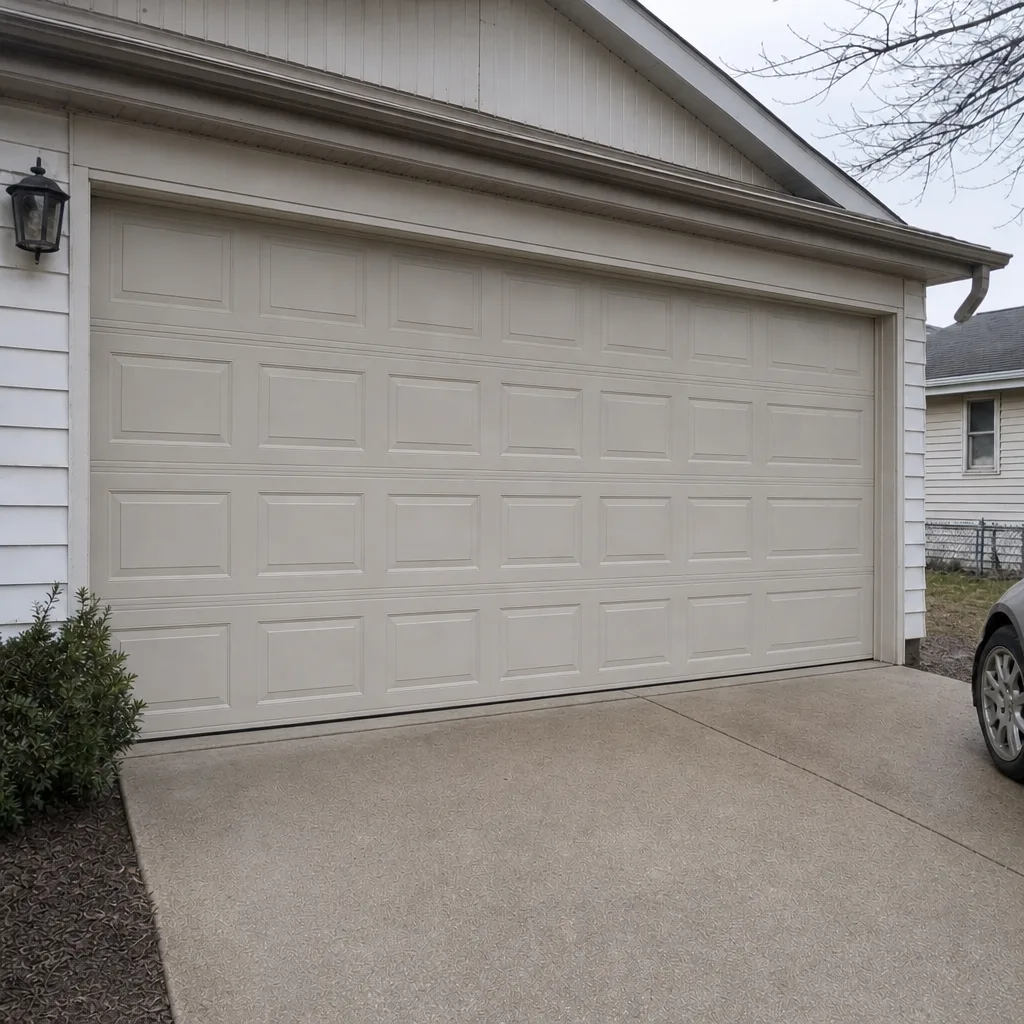 After
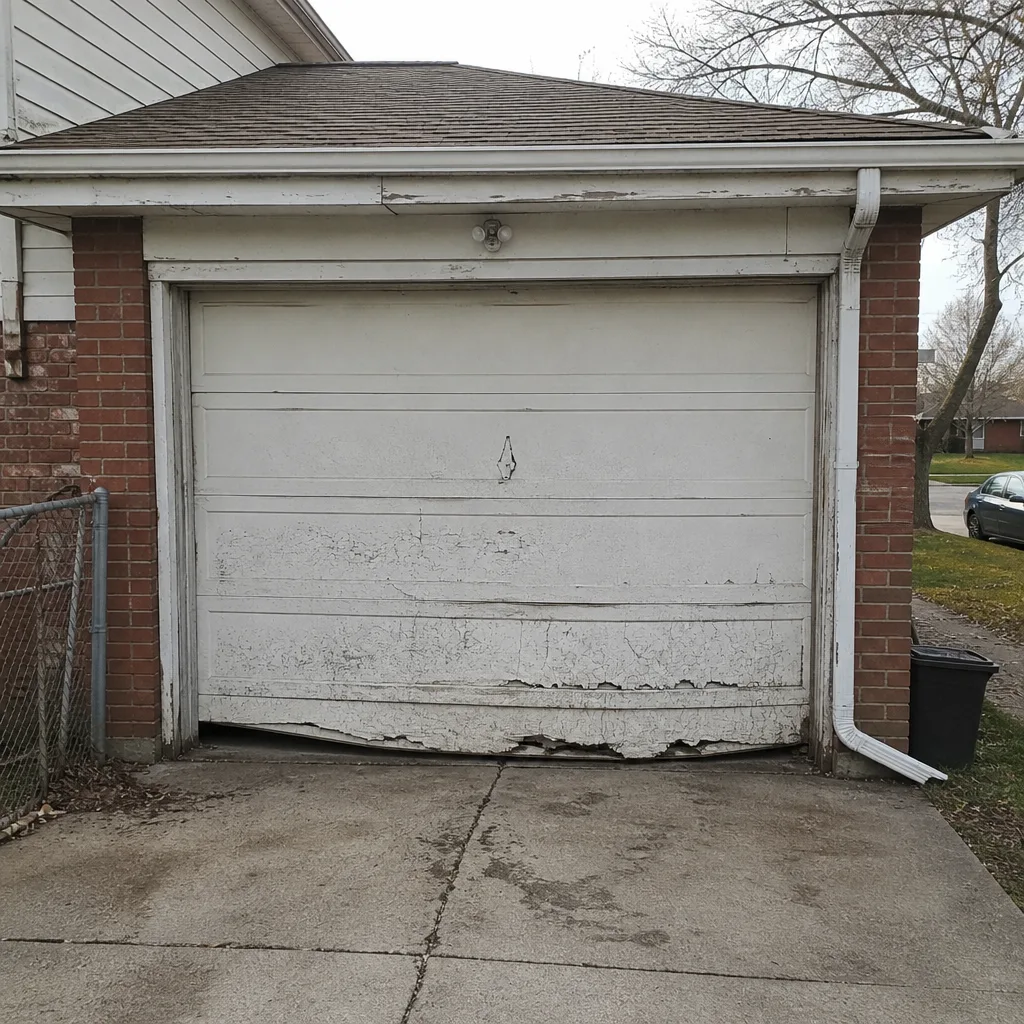 Before
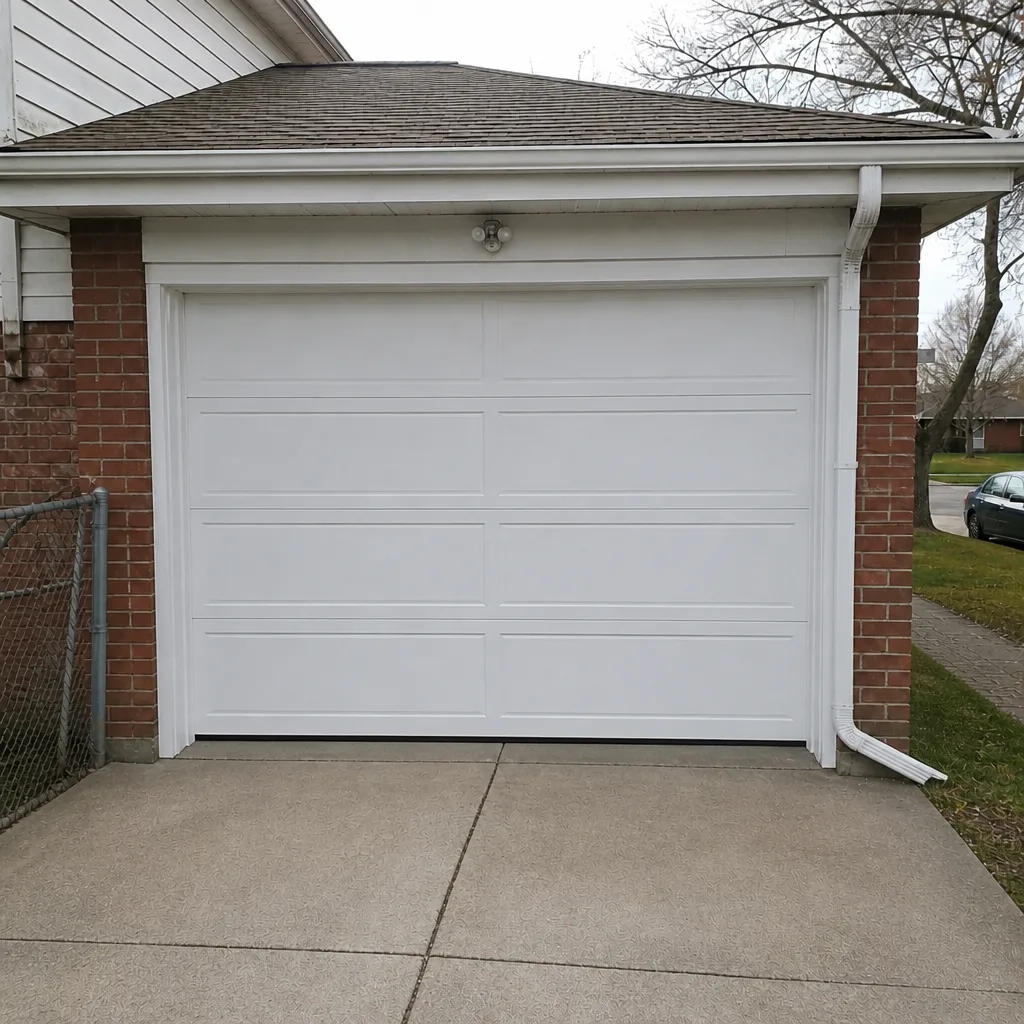 After
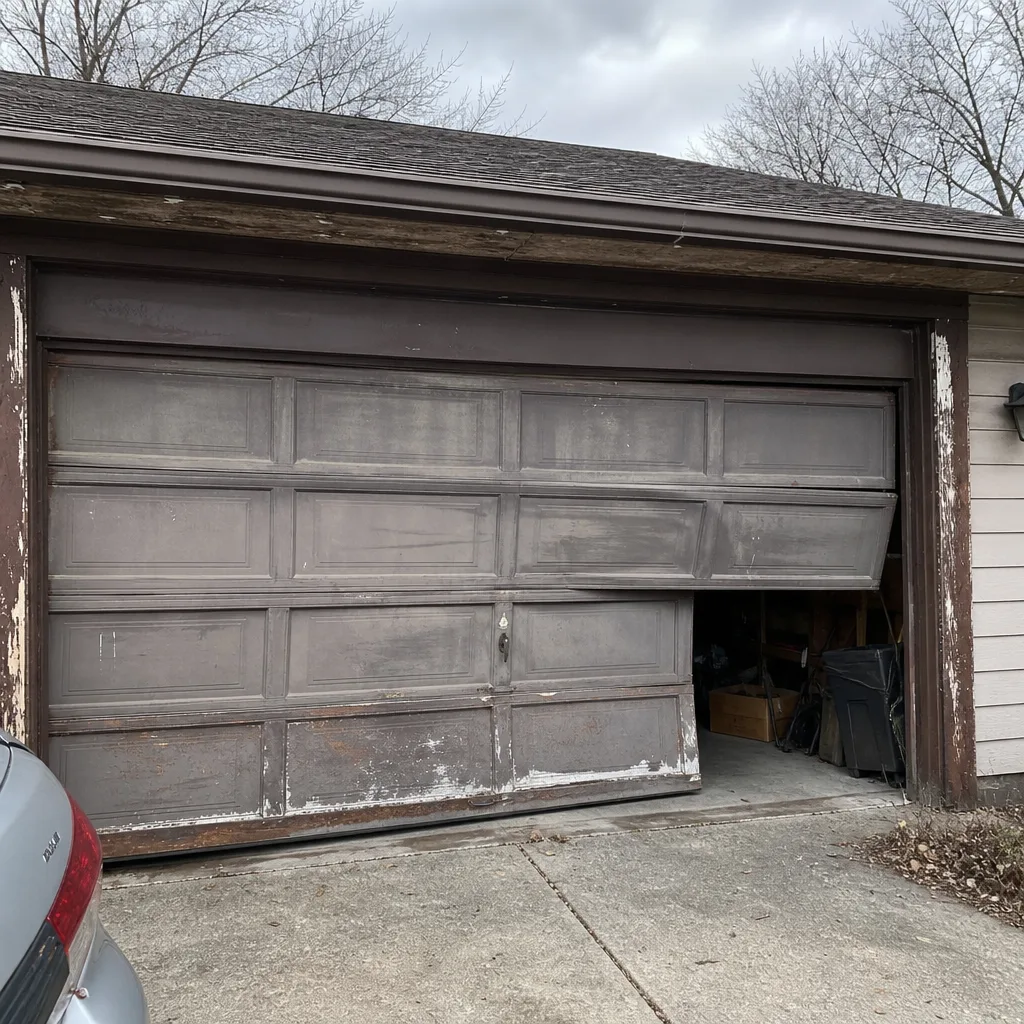 Before
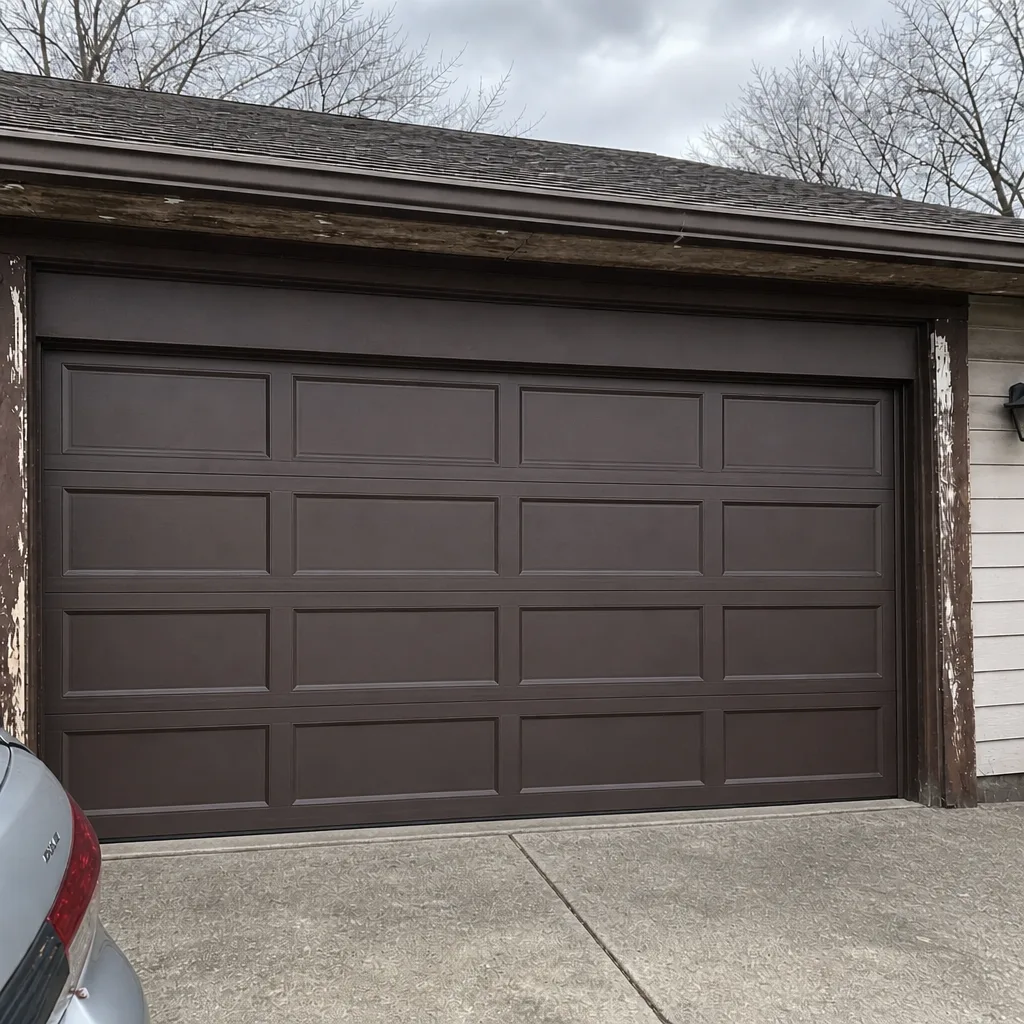 After