
Last updated November 21, 2026
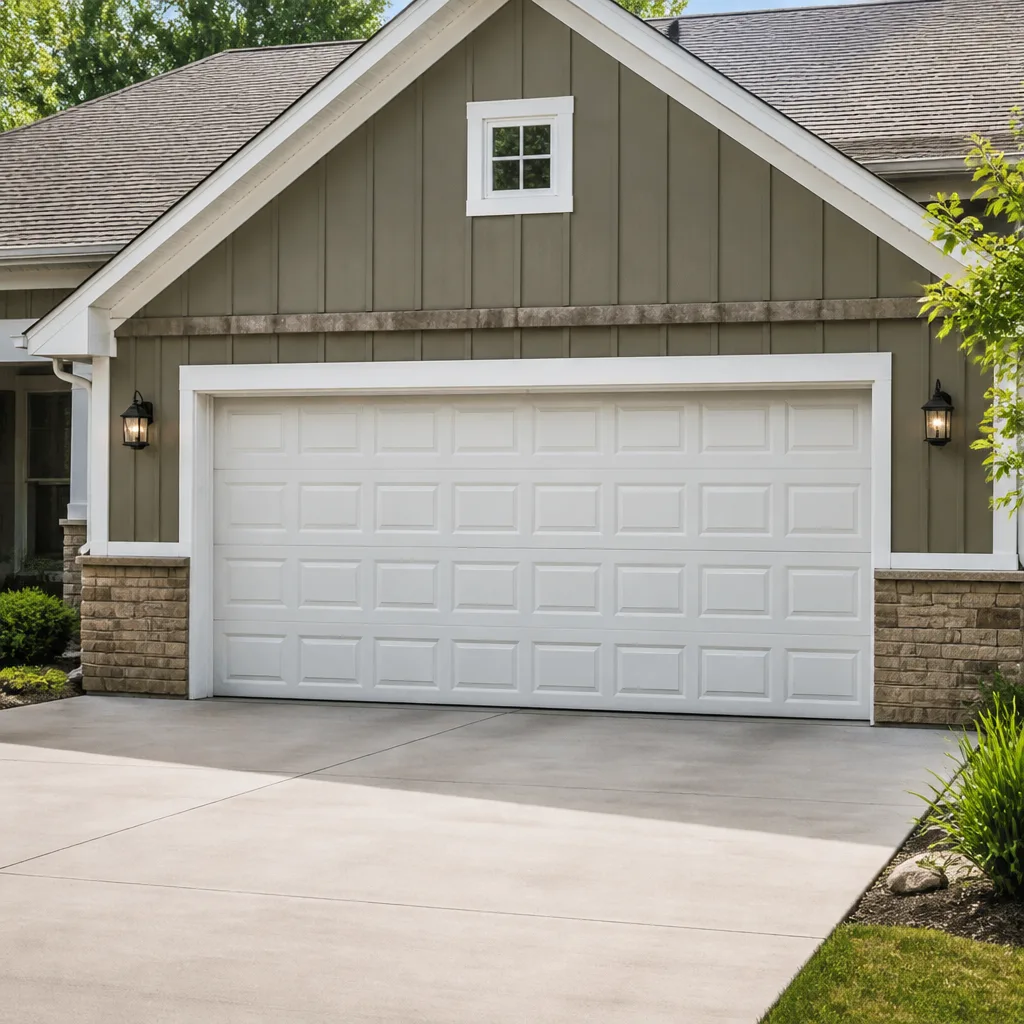 Raised-panel steel
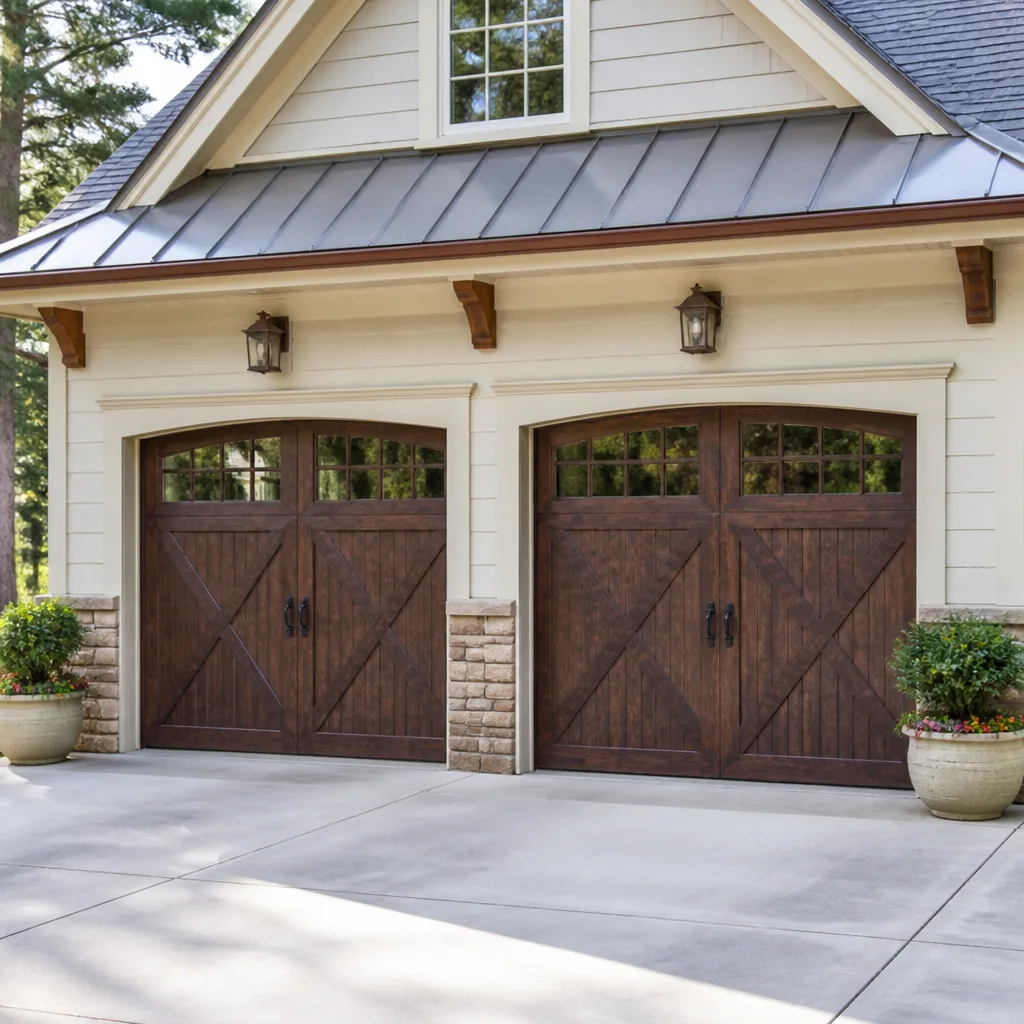 Carriage house
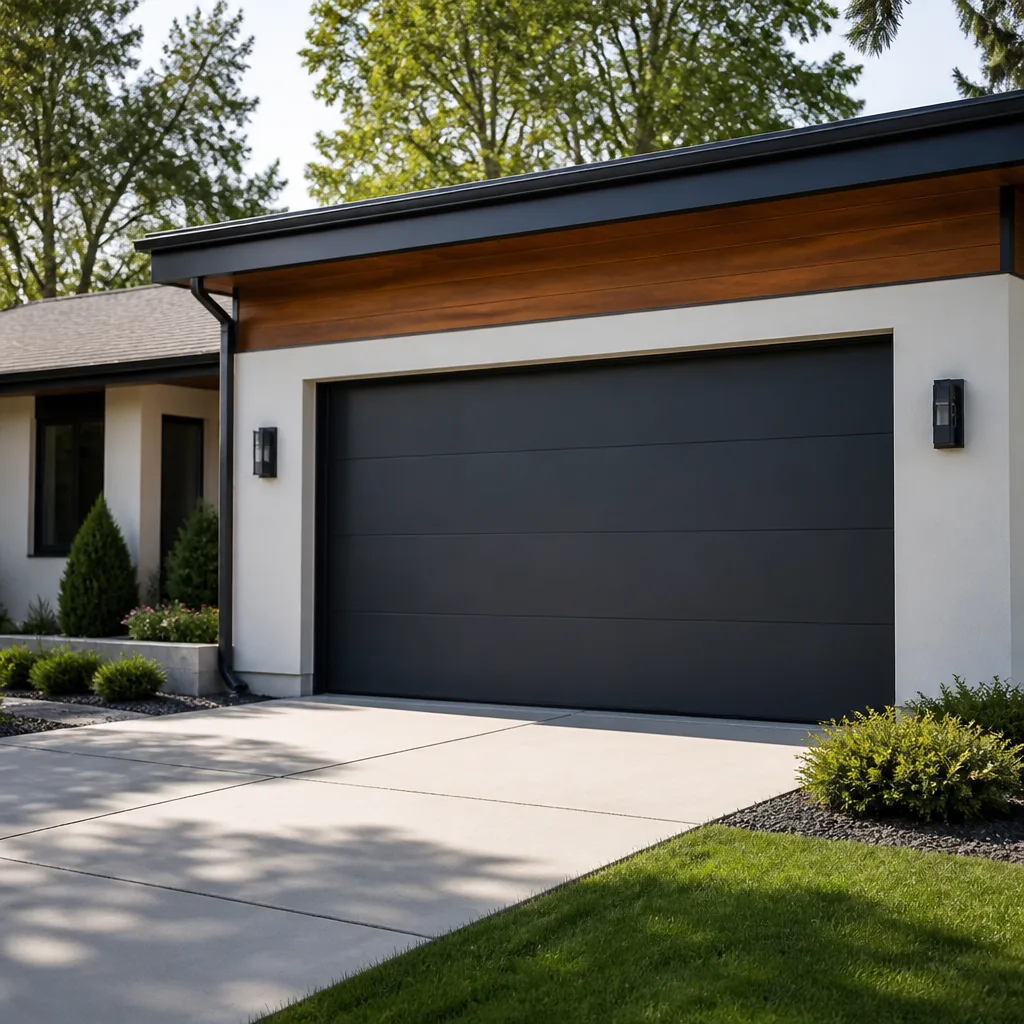 Modern flush
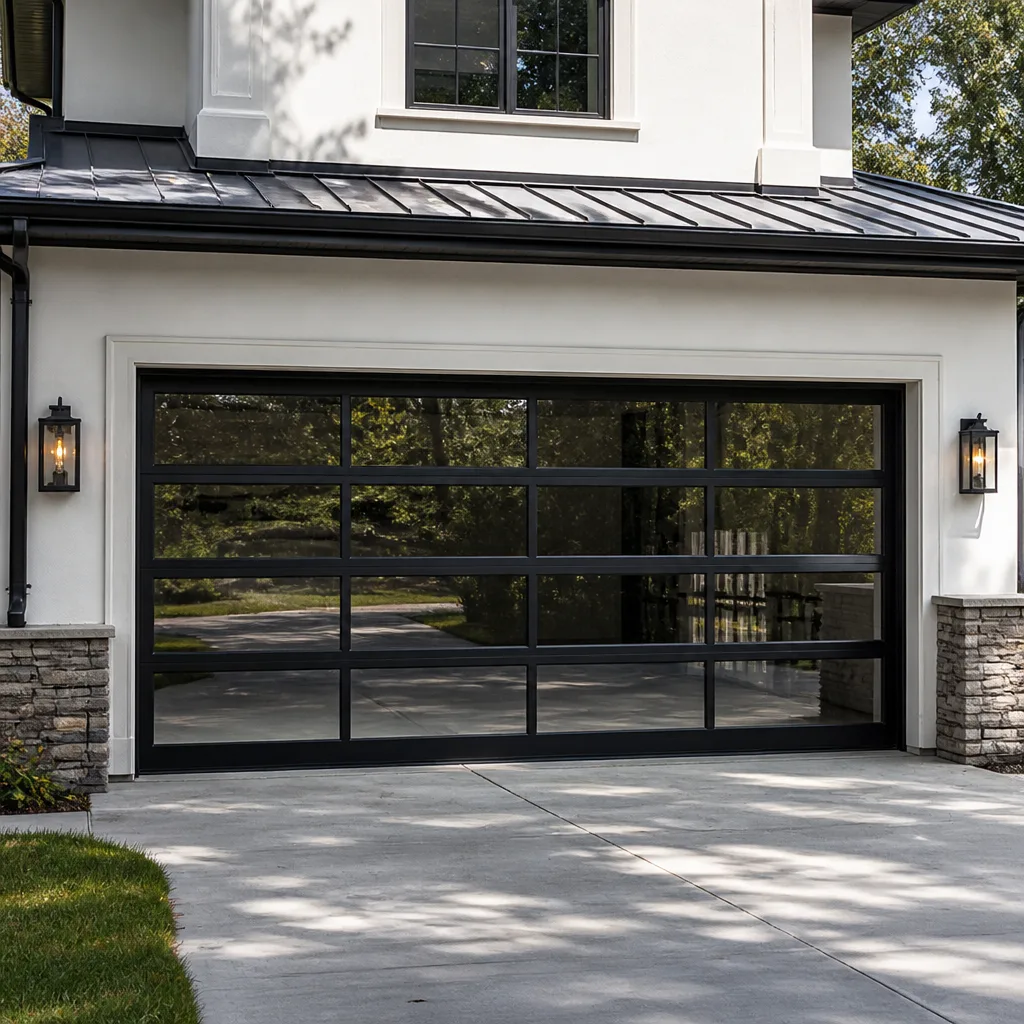 Full-view glass
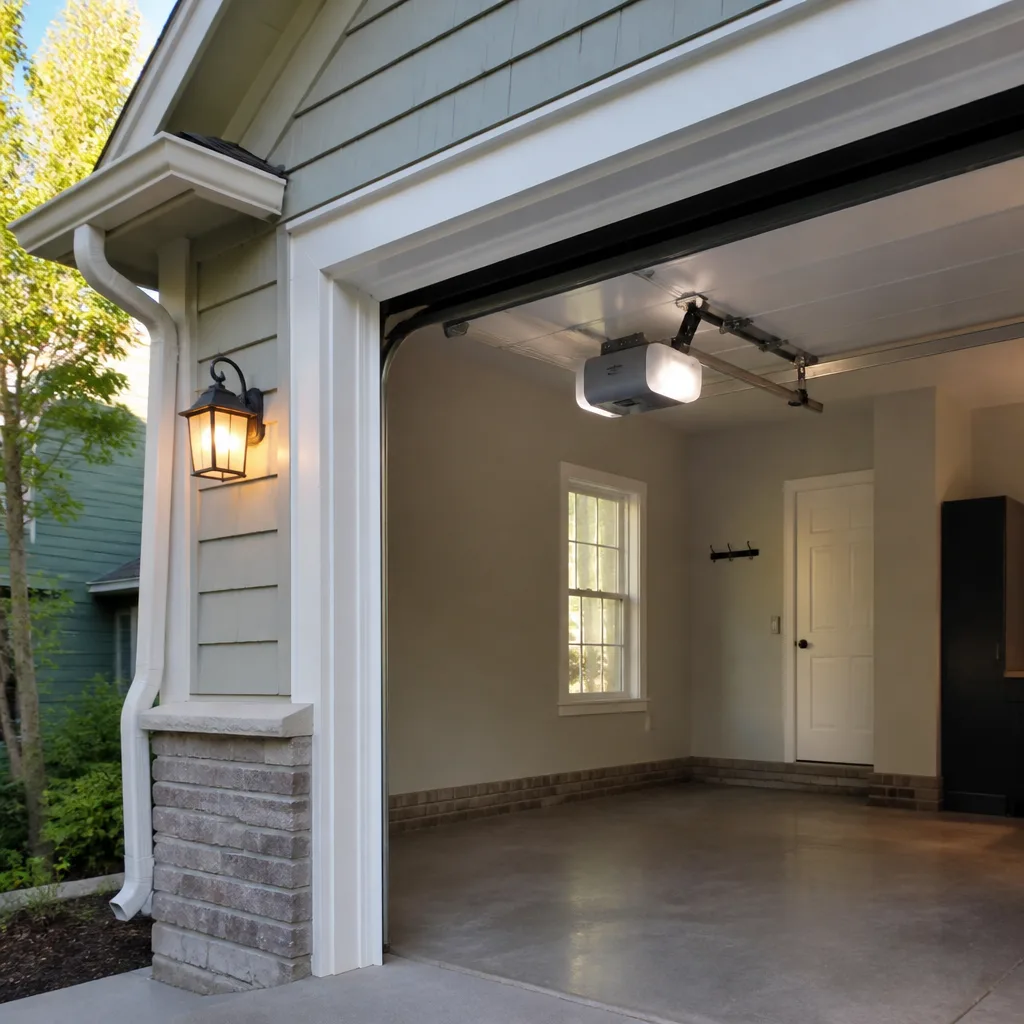 LiftMaster openers
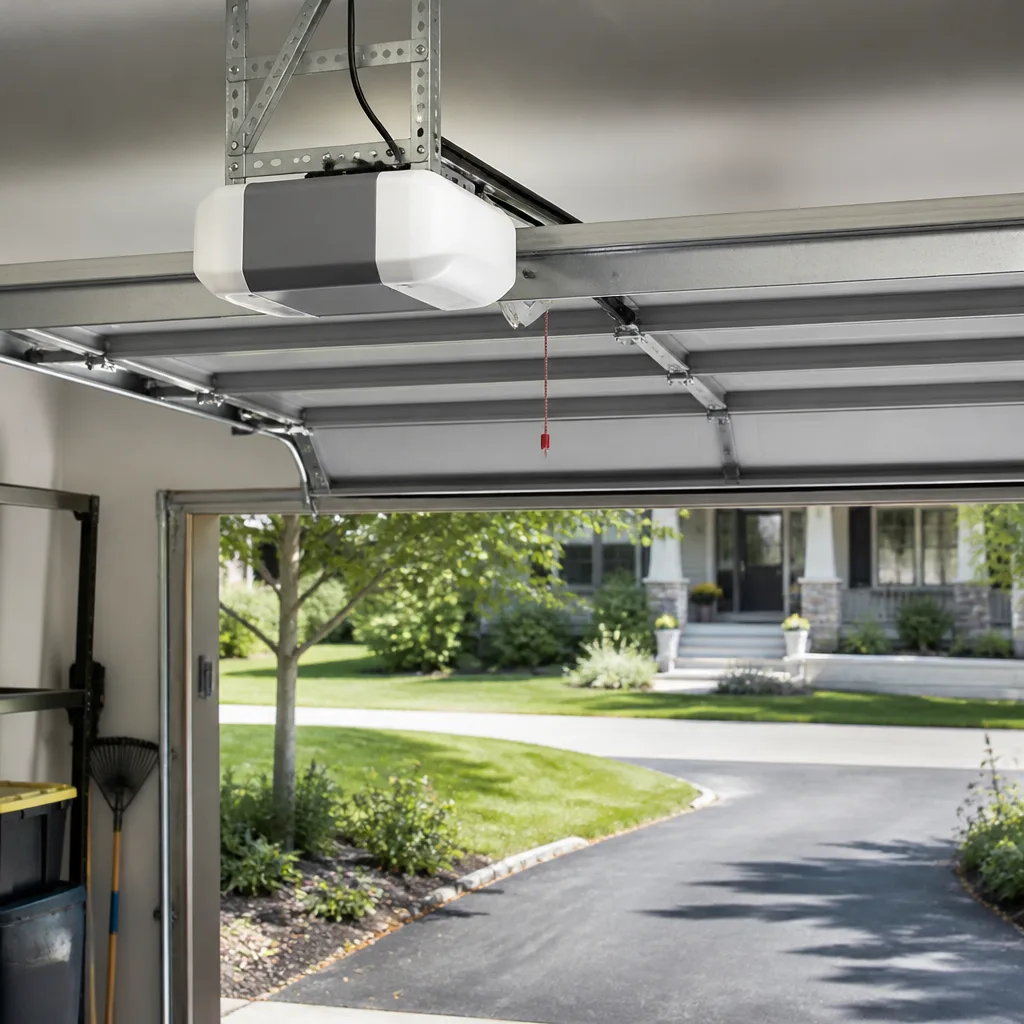 Chamberlain openers
Full 25-point door and opener safety check with every visit - springs, cables, rollers, tracks, and your LiftMaster or Chamberlain opener included
You get a price before we start. It does not change when the pro arrives.
Get your free estimateGarage Door Permits, Codes & Inspections in Joliet, IL: What You Need to Know
Most Joliet homeowners replacing a garage door assume the contractor handles everything, including any paperwork the city wants. Often that’s true. Sometimes it isn’t. Here’s the part that catches people: whether your project needs a permit depends on what’s actually changing – structural work versus a cosmetic panel swap – and who is legally responsible for pulling that permit if one is required is not always the person you’d expect. An unpermitted installation can surface years later during a home sale inspection, and by then the seller owns the problem.
This guide walks through how permit requirements work for garage door work in Joliet, what inspectors tend to look at, how Illinois code shapes spring and opener safety, and how to check permit history before you buy a house with a door you didn’t install.
Quick Answer
In Joliet, a straight garage door replacement – same size, same opening, no structural changes – usually does not require a permit, while anything that alters the structure of the opening, adds a new opening, or changes framing typically does. Because the line between “cosmetic” and “structural” is set by the city, the safe move is to call Joliet’s building department and ask about your specific project before work starts. Opener and spring replacements on an existing door are generally considered repair work rather than construction.
Styles & brands we work with
- Raised-panel steel
- Carriage house
- Modern flush
- Full-view glass
- LiftMaster openers
- Chamberlain openers
Table of Contents
- When Is a Garage Door Permit Required in Joliet?
- Cosmetic Swap vs. Structural Replacement: How the City Sees It
- What Illinois Residential Code Means for Springs, Openers, and the Door Between Garage and House
- What a Garage Door Inspection Actually Checks
- How to Check Permit History on a Home You’re Buying
- What Happens If the Work Was Done Without a Permit
- How to Choose a Garage Door Contractor in Joliet
- How Joliet Weather Affects Door and Hardware Longevity
When Is a Garage Door Permit Required in Joliet?
A garage door permit is required in Joliet when the work changes the structure of the opening – resizing it, moving it, reframing it, or adding a new one – and is generally not required for a like-for-like replacement of the door and hardware in an existing opening. That’s the short version. The long version depends on how your specific project reads to a plan reviewer, and local rules can change.
The reason this trips people up is that “replacement” covers a wide range of jobs. Swapping a single damaged panel for a matching one is not the same project as installing a wider door with new jambs, a new header, and a fresh track layout. The first touches almost nothing the city cares about. The second alters load paths and the building envelope, and that’s construction work.
Here’s how to think about the categories:
- Panel replacement, cosmetic only – generally no permit. Same panel, same track, same opening.
- Full door replacement in an existing opening – usually no permit if the size and framing stay the same, but confirm with the city for your address.
- Opener replacement or repair – treated as a repair, not construction. No permit on an existing door.
- Spring, cable, and roller replacement – repair work. No permit.
- Adding a new garage door opening to an existing structure – framing and structural changes. Expect a permit.
- Resizing an existing opening – structural. Expect a permit.
- Converting a garage to living space, or the reverse – a building permit is almost certainly part of the project. This is far beyond door work.
The single most useful thing you can do is call Joliet’s building department before you sign anything. Describe the job in plain terms: same size or different, same framing or new, new opening or existing. They’ll tell you what applies. We can’t give you a definitive answer for your address because the department is the authority, and that’s exactly why the call matters. For a job that’s clearly just a broken component, see our garage door repair page.
Cosmetic Swap vs. Structural Replacement: How the City Sees It
A cosmetic swap changes appearance only; a structural replacement changes the opening itself. That’s the distinction an inspector is drawing when they pick up your plans. One is a finish item. The other is building work.
Cosmetic work includes a new door of the same dimensions in the same opening, new panels, different color or window configuration, and new decorative hardware. The opening was built and inspected long ago. You’re replacing a component inside it.
Structural work includes anything that touches the frame, header, track layout in a new position, or the surrounding wall. If you’re making the opening wider to fit a bigger vehicle, you’re into structural territory. If you’re adding a second bay by cutting into an existing garage wall, you’re into a full permit process that includes framing and probably engineering.
A useful way to check yourself: stand in the garage and ask what the project would look like with the door taken out entirely. If the answer is “an empty opening, exactly as framed before,” you’re probably in the no-permit lane. If the answer is “a bigger empty opening” or “a new empty opening,” pick up the phone and talk to the city.
There’s a third category that causes confusion – a full door replacement that involves rebuilding the track and springs because the old system was undersized or the previous install was sloppy. The door itself is new, the opening is the same, but the hardware layout changes. In our experience, this is usually still a repair-and-replacement job rather than a permitted alteration, but it’s the exact kind of edge case worth confirming before you start. A garage door installation project that includes structural changes is a bigger conversation than a straight swap.
Joliet has a wide range of housing stock – older homes closer to downtown, newer construction on the west side, and lots of mid-century ranches throughout the city. The older homes are the ones where you’ll most often find an opening that was modified at some point and where confirming the history actually matters before you change anything.
What Illinois Residential Code Means for Springs, Openers, and the Door Between Garage and House
Illinois does not adopt a single statewide residential building code; local jurisdictions adopt and enforce their own, and many follow model codes like the International Residential Code (IRC) with local amendments. That means Joliet, rather than the state, is the authority for how residential garage door work is inspected. As a homeowner, you don’t need to read the IRC – you need to know what those codes are protecting, because that’s what inspectors look for.
Three areas matter most for garage doors:
Spring systems
Garage door springs are under enormous tension, and they are the single most dangerous component in the entire door system. A torsion spring holds enough stored energy to seriously injure anyone in the path of a failed wind or an incorrectly installed spring. Code compliance in this area is really about installation safety – correct mounting, correct rating for the door weight, and correct hardware. This is not a place for trial and error. If a spring has snapped, do not continue running the opener and do not attempt to remove the broken spring yourself. Call a technician.
Opener safety
Modern openers under IRC-derived rules include safety reversals – photo-eye sensors that stop and reverse a closing door if something crosses the beam, and force limits that do the same if the door meets resistance. If your opener was installed decades ago, it may not have photo eyes. That’s an upgrade worth discussing on safety grounds regardless of what code says, and definitely before a home sale inspection. Both smart openers from brands like LiftMaster or Chamberlain and older mechanical units need functioning reversal systems. If yours isn’t working right, our garage door opener repair page covers the diagnosis.
The door between garage and living space
The wall separating an attached garage from the house is treated as a fire separation in most residential codes – the door between them needs to be a rated, self-closing, solid-core door, and penetrations through that wall need to be protected. This isn’t the overhead garage door; it’s the entry door into the house. But it matters to your project because when a crew is working on the garage opening, they’re frequently in the same wall cavity, and if the fire separation gets disturbed, that’s a code issue that inspectors take seriously. If any of this sounds like your project, say so before work starts.
On a plain door swap, none of this comes into play. On a project that touches framing, it does.
What a Garage Door Inspection Actually Checks
A garage door inspection in Joliet checks that the door, opener, and safety hardware meet the code that was in force when the work was permitted, and that the installation matches what was approved. Inspectors are not evaluating the quality of the paint job. They’re checking structural and safety items.
The typical sequence:
- Permit posted and visible. Before anyone inspects anything, the approved permit needs to be on site.
- Opening and framing. Verify that the rough opening matches the approved plans – size, header, and any structural members added or modified.
- Fastening and attachment. The door, track, and springs must be anchored to structure, not just to drywall or sheathing. Inspectors check for proper fastening to framing.
- Balance and travel. A properly installed door runs smoothly through the full range of movement, with the springs rated for the door’s weight.
- Opener safety systems. Photo-eye sensors, force limits, and reversal must all be functioning. The door must reverse on contact with an obstruction.
- Fire separation. If the project touches the wall between garage and living space, the fire-rated assembly and the house entry door are checked.
- Final sign-off. Once everything passes, the permit is signed off and closed.
What an inspection does not check: cosmetic finish, color, panel style, or whether you upgraded to a nicer door than you needed. Those are your call.
One thing worth knowing: if your project is in a floodplain or in an area with specific local overlay rules, there may be additional items. The building department will tell you what those are when you apply. It’s a five-minute question when you’re planning and a much longer fix if it comes up at the final inspection.
How to Check Permit History on a Home You’re Buying
You can check garage door permit history on a home you’re buying by requesting permit records for the address from the City of Joliet’s building department, and by having your home inspector look at the door installation during the general inspection. Both steps are quick, and both are worth doing on any home where the garage door looks newer than the house.
Here’s the process:
- Ask the seller for documentation. A permit, a final inspection sign-off, and the contractor invoice are the clean set. If the door was replaced recently, the seller should have all three.
- Request permit records from the city. Joliet’s building department can tell you what permits were pulled for the address and whether they were closed. Ask for the full history, not just the last few years.
- Have your home inspector look at the door. A good inspector will notice a door that’s out of square, a track that’s attached only to drywall, or an opener without working safety sensors. Those are the visible signatures of a rough installation.
- Compare the door age to the house age. A door that looks newer than the siding is a sign something changed, and you should be able to explain it.
- Ask your real estate attorney to sequence this correctly. If an unpermitted structural change surfaces, you want it handled before closing, not after.
Buying in Joliet’s older neighborhoods – near the river, or in the established blocks west of downtown – this check is worth doing as a standard part of your inspection contingency. Older homes have more history, and more chances for something to have been done without a permit. If the inspection turns up a problem, you can ask the seller to fix it as part of closing, or price it in. Our garage door installation page covers what a clean reinstall looks like.
What Happens If the Work Was Done Without a Permit
If a garage door was installed without a required permit, the permit responsibility typically falls to whoever was legally required to pull it – and in many cases that’s the homeowner, not the contractor. This is why “the contractor said it didn’t need one” is a defense that often doesn’t work at the point of sale.
The consequences are mostly felt at three moments:
- During a home sale. A buyer’s inspector or attorney will ask for permit records. If a required permit wasn’t pulled, the sale can stall while the seller either retroactively permits the work or negotiates a credit. A retroactive permit means opening walls, showing the work was done correctly, and paying whatever fees apply. That’s the seller’s problem at that point, and rightly or wrongly, the buyer knows they hold leverage.
- During a refinance or appraisal. Lenders increasingly ask for documentation of significant work. A garage door install isn’t usually on that list, but a structural change to the garage might be.
- When a future buyer’s inspector flags it. Even if you sell without an issue, the next buyer may face the same questions, which can follow the property.
We don’t say this to scare anyone. The point is simpler: the cost of asking the city before you start is a phone call. The cost of an unpermitted structural change is whatever it costs to fix it later, which is higher and less in your control.
If you find yourself on the buying side of a home with a door that wasn’t permitted and you want a professional read on the installation before you close, that’s a conversation we’re happy to have. Call (855) 426-1669. We answer 24/7. Fast dispatch from 7am to 7pm, Sunday through Friday.
How to Choose a Garage Door Contractor in Joliet
The right contractor for garage door work in Joliet will answer permit questions plainly, tell you when the city needs to be involved, and not hand-wave the difference between a repair and a construction project. If a salesperson tells you a permit is “never required” for a door replacement without asking what’s changing, that’s a warning sign.
Here’s what to look for:
- Plain answers about permits. A good contractor knows when to call the building department and isn’t afraid to say “we’ll confirm that for your address.”
- Multi-brand fluency. Your door might be a Raynor, your opener a LiftMaster, your springs a mix of components from different installs. A contractor who only works one brand will try to sell you what they have, not what you need. We work on Raynor, LiftMaster, Chamberlain, Genie, Clopay, Amarr, Wayne Dalton, and Craftsman.
- Licensed and insured technicians. The local pro should be able to show licensing as their state requires and carry liability insurance. Ask.
- Written estimates. You want the scope in writing – door, opener, labor, disposal, any structural work, and whether a permit is included. The written quote is the price. Nothing should change once the crew arrives.
- Spring work as a stated specialty. If a contractor gets vague about spring repair, take that as a signal. Springs are the most dangerous and technically demanding part of the trade. A contractor who names spring repair as a service is a contractor who does it routinely.
- Emergency capability. A door that’s off-track or a spring that’s snapped at the wrong moment traps a car or leaves a home unsecured. Ask how they handle urgent calls before you need one.
And it’s worth saying: the person you want on a structural project and the person you want on a snapped spring are the same type of technician, but the conversation is different. Installation is measured, ordered, and scheduled. Repairs are dispatched. Our technicians have up to 13 years of experience, and the written estimate you receive before work begins is the price you’ll pay. For brand-specific questions or to book a free measure and written estimate, call (855) 426-1669. Estimates are free.
How Joliet Weather Affects Door and Hardware Longevity
Joliet sits in northern Illinois, which means real winters with hard freezes, real summers with heat and humidity, and a seasonal swing that’s rough on garage door hardware. That’s not a claim about the city’s weather records – it’s what you’ll feel every season. The practical effect on your door is what’s worth knowing.
Cold weather contracts metals and stiffens lubricants. A door that ran smoothly in October can feel heavy and loud in January. Springs that were already near the end of their cycle life tend to fail in the first cold snap of the season, which is why spring repair requests cluster in late fall and winter. That’s not a coincidence – it’s the tension on the springs and the change in lubricant viscosity. If your door is getting hard to lift or the opener is straining, get it looked at before the first hard freeze.
Summer heat expands the door and stresses seals and weatherstripping. Wood doors in older Joliet garages can warp in humidity swings, and if the door is warped, the opener is fighting it on every cycle. That accelerates wear on the opener’s gears and the door’s hinges.
Road salt in winter is rough on the steel hinges, rollers, and track at the bottom of the door. The salt spray from the car pulls in and settles on the lower hardware, and over enough seasons, unprotected steel will show it. Wiping down the lower track and hinge points a couple of times through the winter helps more than most people realize. This is maintenance, not a permit issue – but it’s the reason doors in older Joliet neighborhoods that face the street and get hit by plow spray need more frequent hardware checks.
A spring replacement or opener upgrade is a good moment to think about how the door will perform over the next ten winters. Ask the technician whether the springs you’re getting are rated for the door weight and what kind of cycle life they carry. A good answer is specific. Call (855) 426-1669. We answer 24/7. Fast dispatch from 7am to 7pm, Sunday through Friday.
Common Mistakes to Avoid
- Assuming a replacement never needs a permit. Straight swaps usually don’t, but any project that touches framing or changes the opening is a different story. Confirm with Joliet’s building department before work starts, not after.
- Letting the contractor make the permit call. The permit responsibility often falls to the homeowner, even if the contractor agreed to pull it. Get the permit status in writing on the estimate.
- Treating an out-of-date opener as fine because it still works. An opener without working photo-eye sensors is a safety gap, not just an old model. Safety reversal is worth fixing regardless of what code applies to your install.
- Skipping the permit history check on a home purchase. Joliet homes have varied histories. A quick records request at the building department is the cheapest insurance you’ll buy during the buying process.
- Not asking about the fire separation door. If the project touches the wall between garage and living space, the fire-rated entry door is part of the inspection. It’s easy to overlook and expensive to retrofit after the final sign-off.
- Letting a contractor skip the written estimate. A verbal price over the phone is not the price. Get the scope in writing – door, opener, labor, disposal, permit status – and hold the contractor to it.
- Ignoring a door that feels heavier than last season. A hard-to-lift door in cold weather is often a spring close to failure. Catching it early is safer than waiting for it to snap.
See the difference
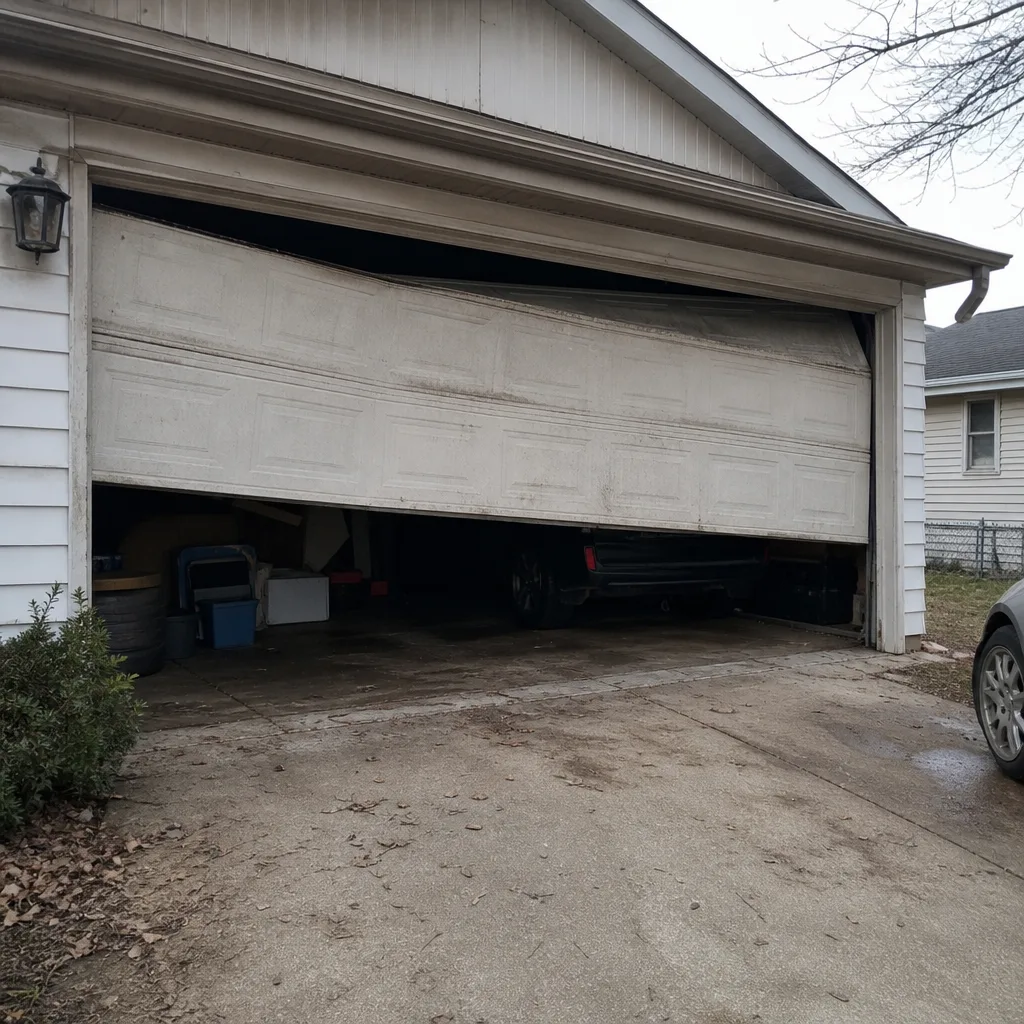 Before
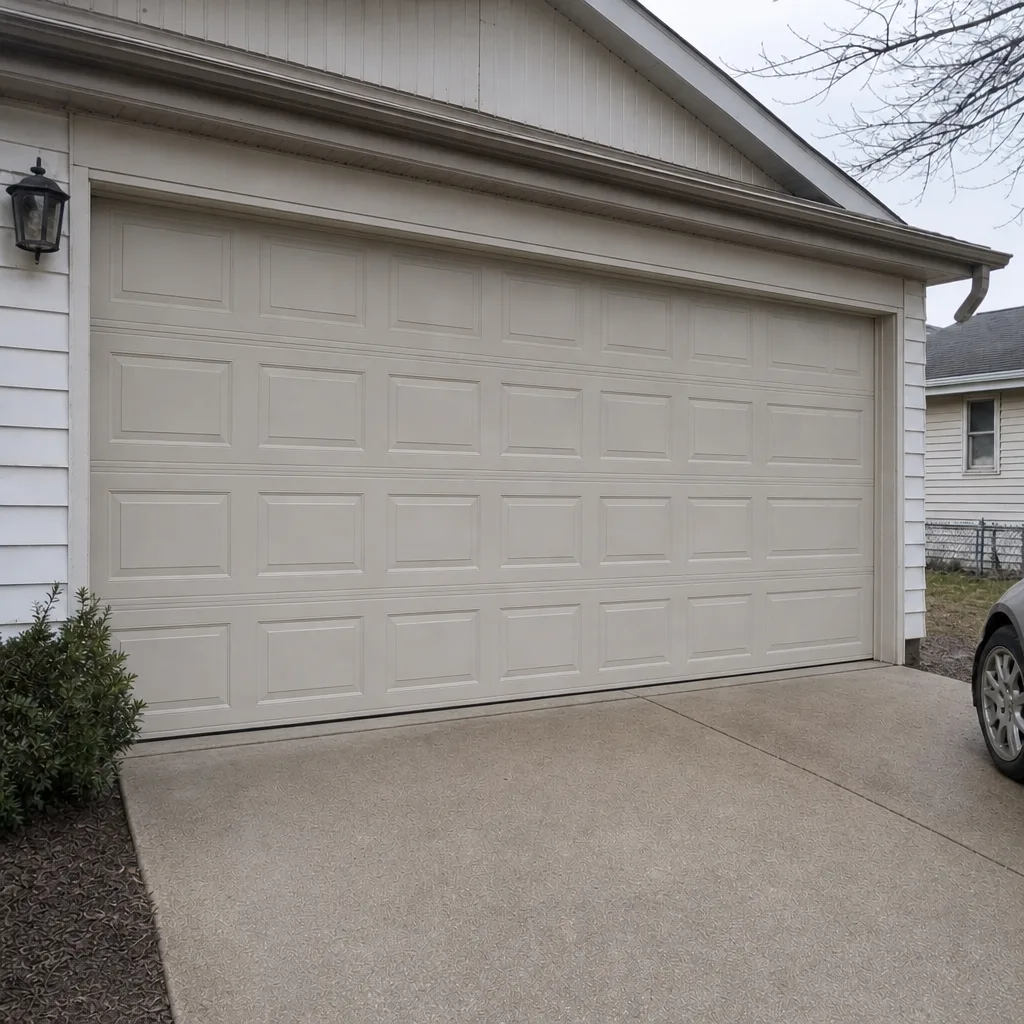 After
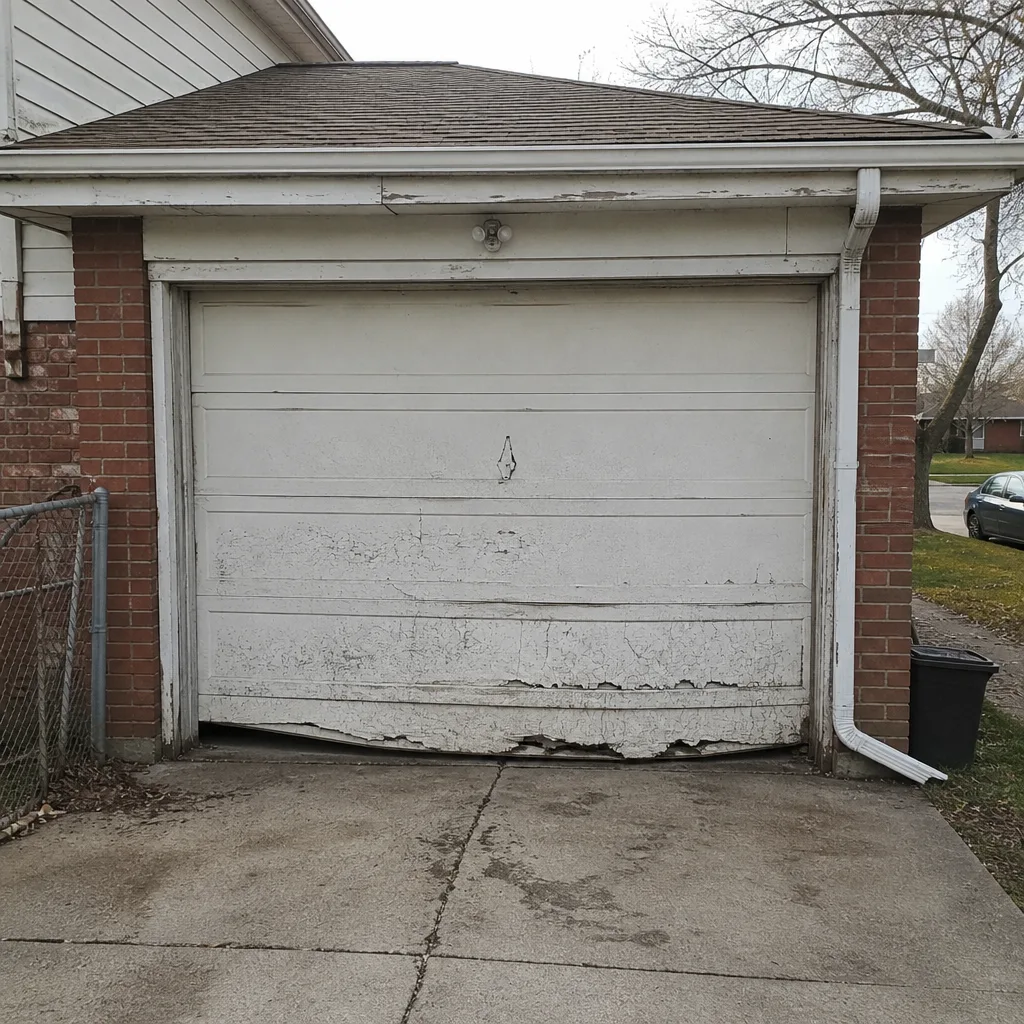 Before
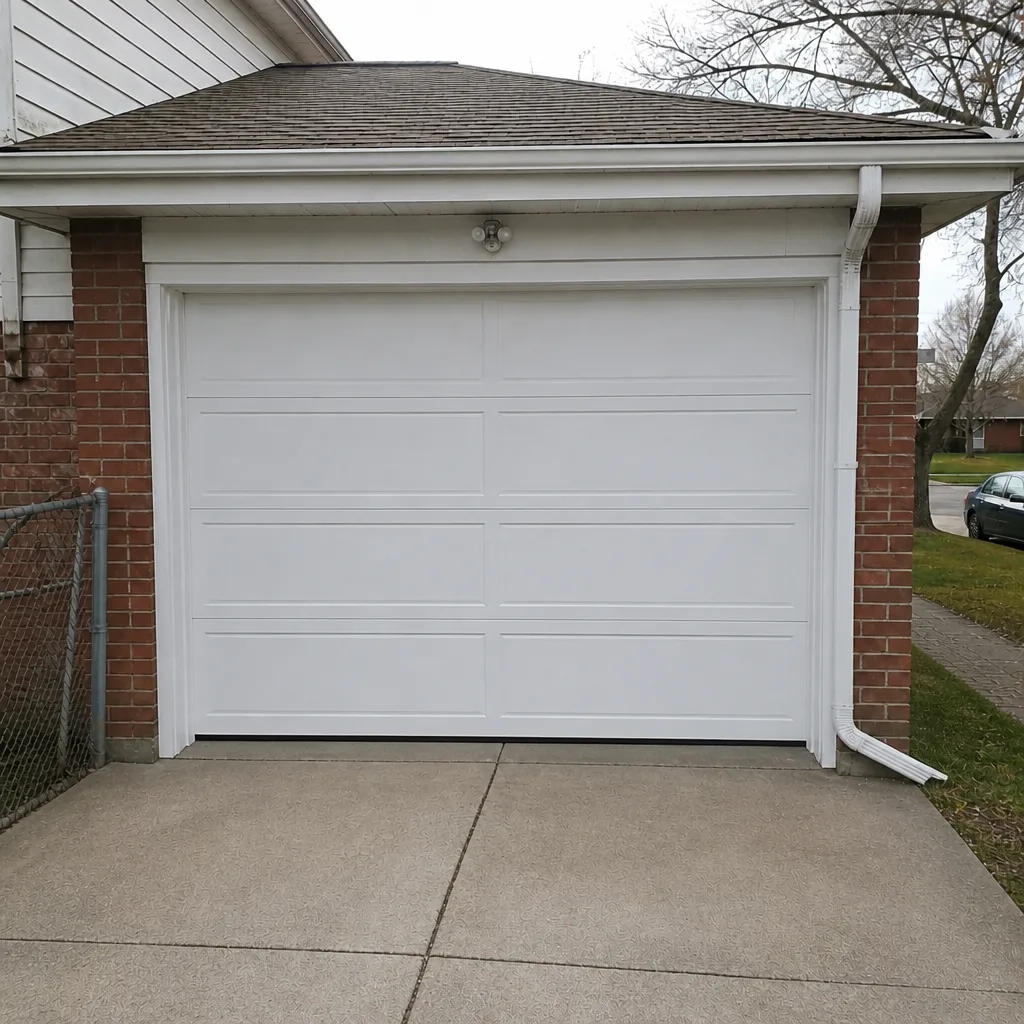 After
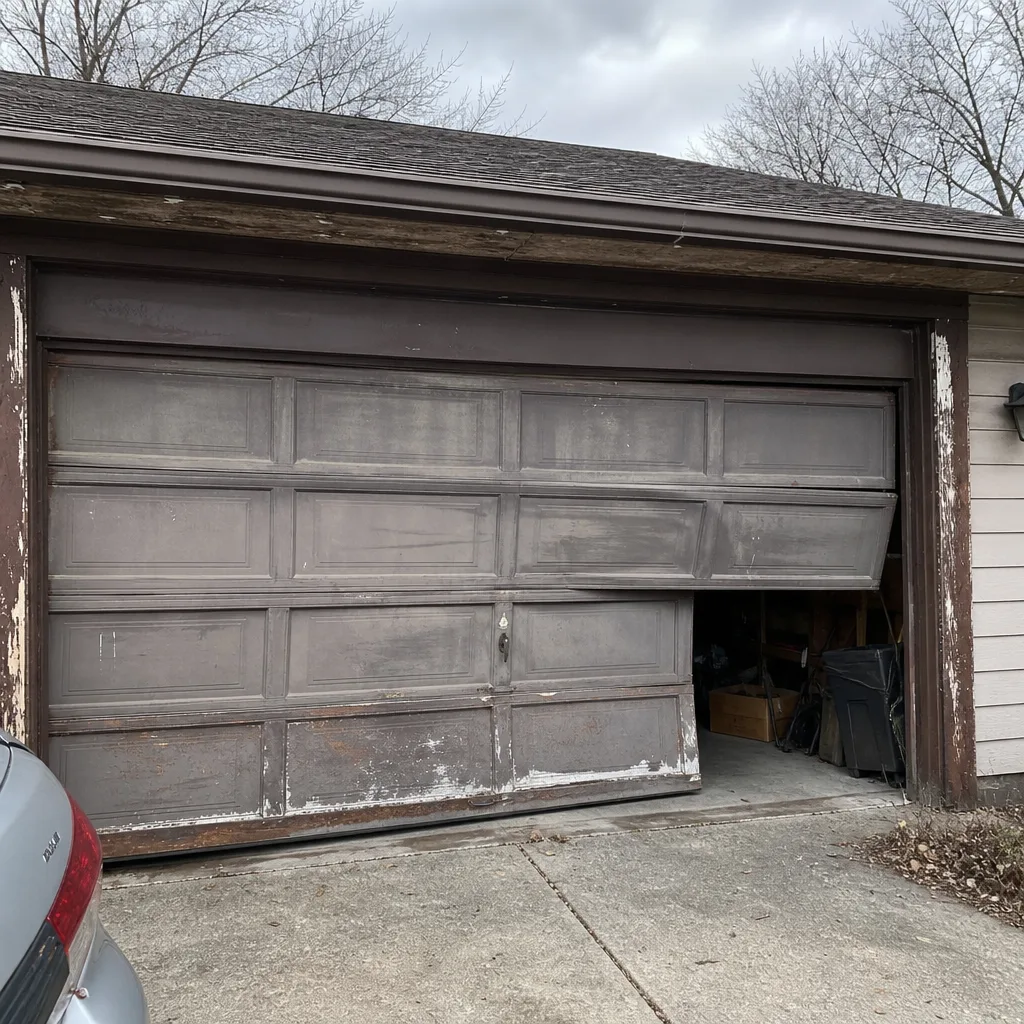 Before
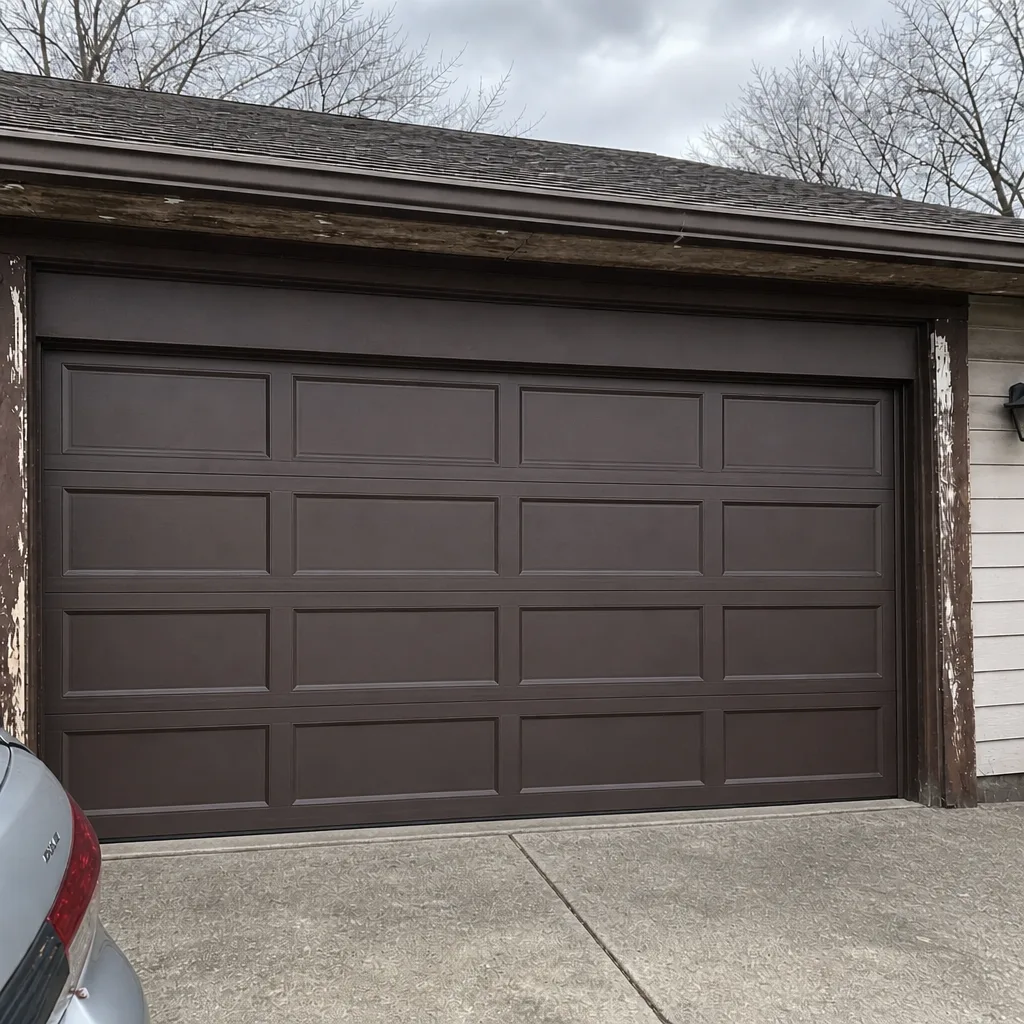 After
When to Call a Professional
Call a technician when a spring has snapped, when the door has come off track, when the opener runs but the door doesn’t move, or when the door reverses unpredictably. Also call when a car is trapped, when the door won’t close and the home is unsecured, or when a commercial overhead door is blocking a business. For structural or permit questions, the city is the right call first, and a qualified contractor can walk you through the work after that.
What you should not do: attempt a spring replacement on your own. High-tension springs and cables are genuinely dangerous, and the failure modes are severe. The same caution applies to opening an electrical panel or bypassing an opener’s safety sensors. There are repairs a handy homeowner can handle with some patience, and there are repairs where the risk simply isn’t worth the trade. Springs and opener safety hardware are in the second category. Joliet Garage Door Repair Co offers free estimates in Joliet – call (855) 426-1669. We answer 24/7, with fast dispatch from 7am to 7pm, Sunday through Friday.
Frequently Asked Questions
Usually not, if the replacement is a like-for-like swap in the same opening with no structural change. If the project resizes the opening, adds a new opening, or modifies framing, a permit is typically required. Call Joliet’s building department to confirm for your address before work begins. Call (855) 426-1669 for an exact quote on the installation side – estimates are free.
No. Spring replacement and opener replacement on an existing door are treated as repair work, not construction, and generally don’t require a permit. The safety rules still apply to the work itself – a licensed technician is the right person for a spring, and a functioning safety reversal system is non-negotiable on the opener. Call (855) 426-1669 for a same-day repair estimate.
In most cases, the homeowner is the legal permit holder, and the contractor may pull it on your behalf with your authorization. That’s why the permit status needs to be in writing on the estimate – “the contractor said it was fine” is not a defense at the point of sale. Ask the question before work starts, and get the answer in writing. Call (855) 426-1669 to talk through a project – estimates are free.
The permit issue can stall the sale until the work is retroactively permitted or a credit is negotiated with the buyer. A retroactive permit usually means opening walls to show the work was done correctly and paying whatever fees apply, so the cost lands on the seller. The cheaper path is always to check permit history before you buy. Call (855) 426-1669 if you want a professional read on a door installation before closing.
Likely yes for urgent repairs – that’s what our emergency service exists for. Broken springs, doors off track, and openers that leave a home unsecured are all handled as dispatch work rather than a scheduled install. Call (855) 426-1669. We answer 24/7. Fast dispatch from 7am to 7pm, Sunday through Friday. A call outside dispatch hours is booked into the next opening. The written estimate you receive before any work starts is the final price – it won’t change once the technician sees the door.
Yes. The local professional who comes to your door is licensed and insured as their state requires, and you can ask to see that before the work starts. We work on Raynor, LiftMaster, Chamberlain, and Genie systems, along with Clopay, Amarr, Wayne Dalton, and Craftsman, so brand fit is never a reason to call a second contractor. Call (855) 426-1669 for a free estimate – the price is quoted and agreed before any work begins.
The Bottom Line
Permit rules for garage door work in Joliet come down to one question: does the project change the structure of the opening? If it does, expect a permit and confirm it with the building department. If it doesn’t, a repair or a like-for-like replacement is generally straightforward, with the written estimate serving as your price. Beyond the permit itself, the three things worth doing before you sign anything are: ask the permit question, get the scope in writing, and confirm how the crew handles springs and opener safety hardware. On the buying side, request permit records from the city before closing – it’s the cheapest check you’ll make during the whole process. If you want a professional read on a door, an install, or a spring, call us. Estimates are free, the price you’re quoted is the price you pay, and we work on whatever brand is in your garage.
For a free measure, a written estimate, or an emergency dispatch, call Joliet Garage Door Repair Co at (855) 426-1669. We answer 24/7. Fast dispatch from 7am to 7pm, Sunday through Friday. When you’re ready to plan a replacement or start a repair, that’s the fastest way to get an exact number and a clear scope for your Joliet home.
Written by the team at Joliet Garage Door Repair Co.