
Last updated November 21, 2026
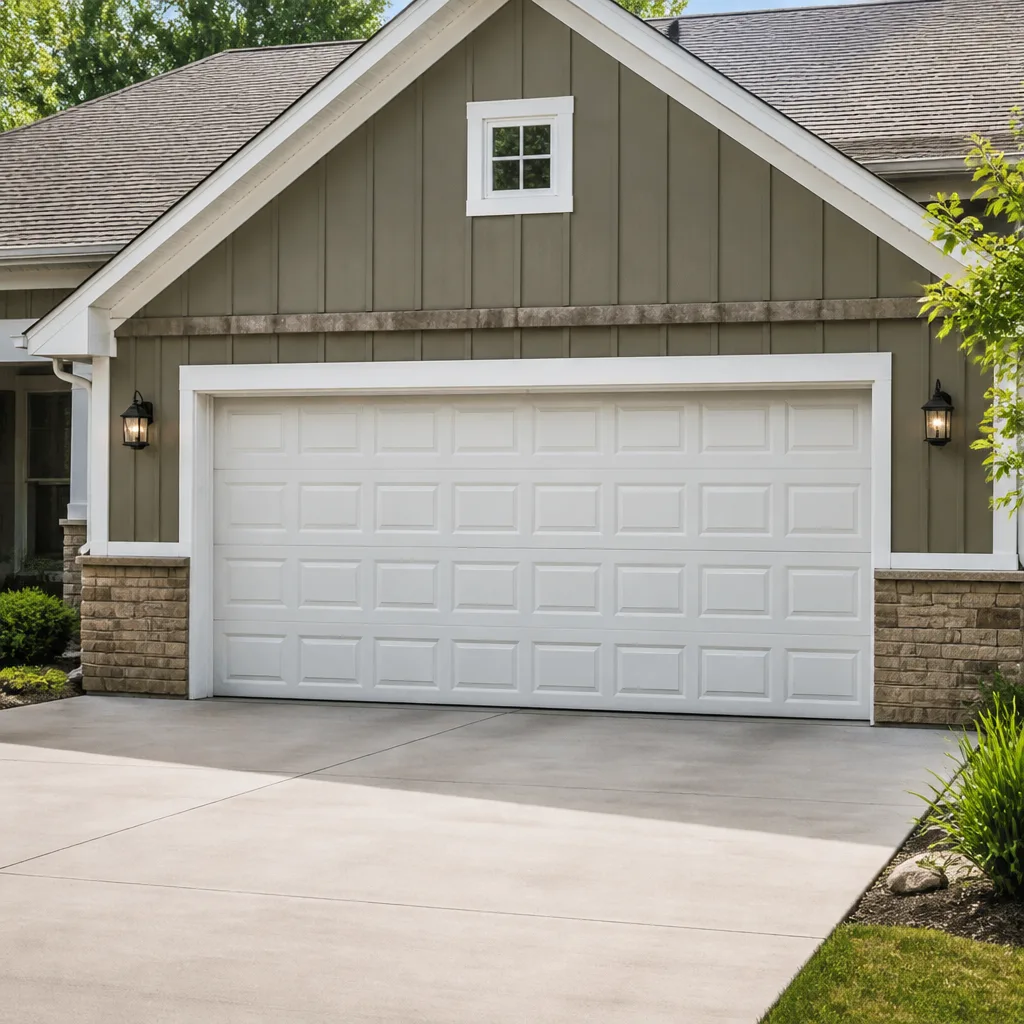 Raised-panel steel
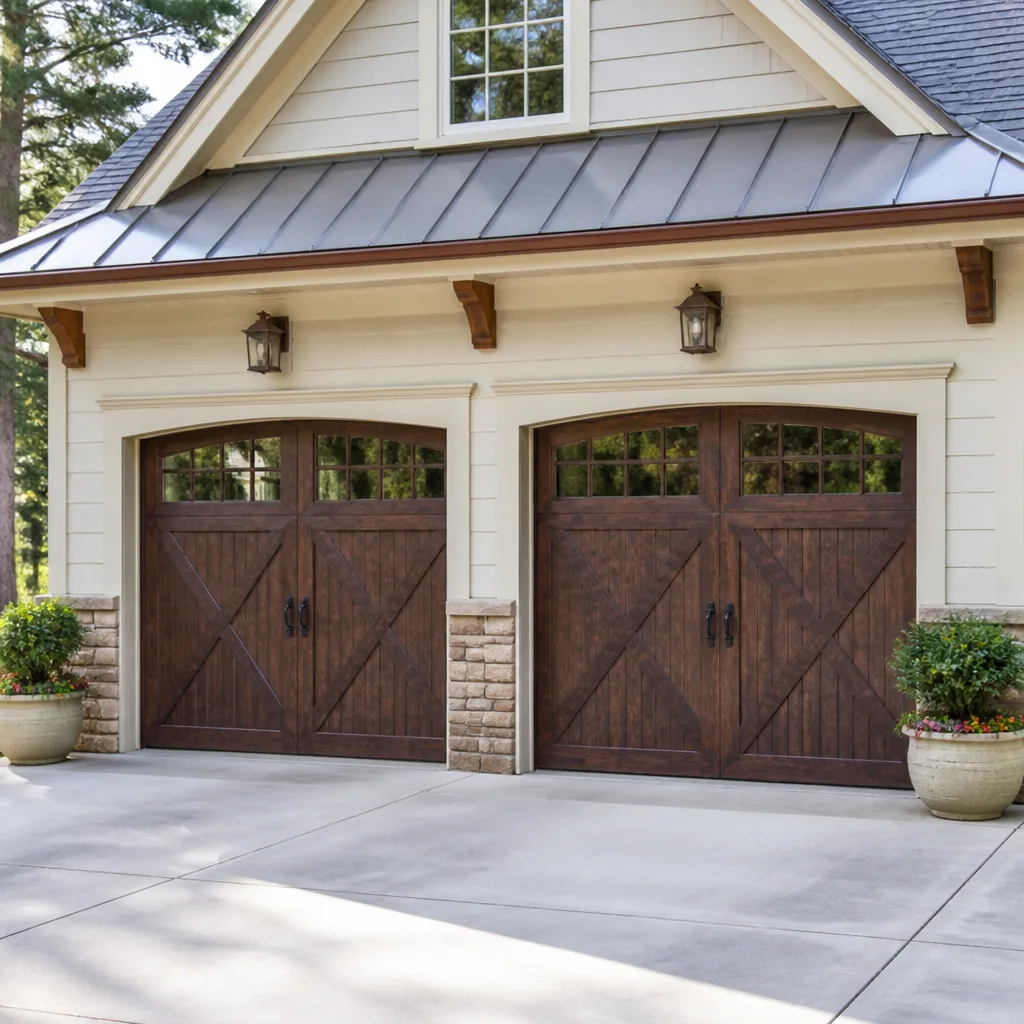 Carriage house
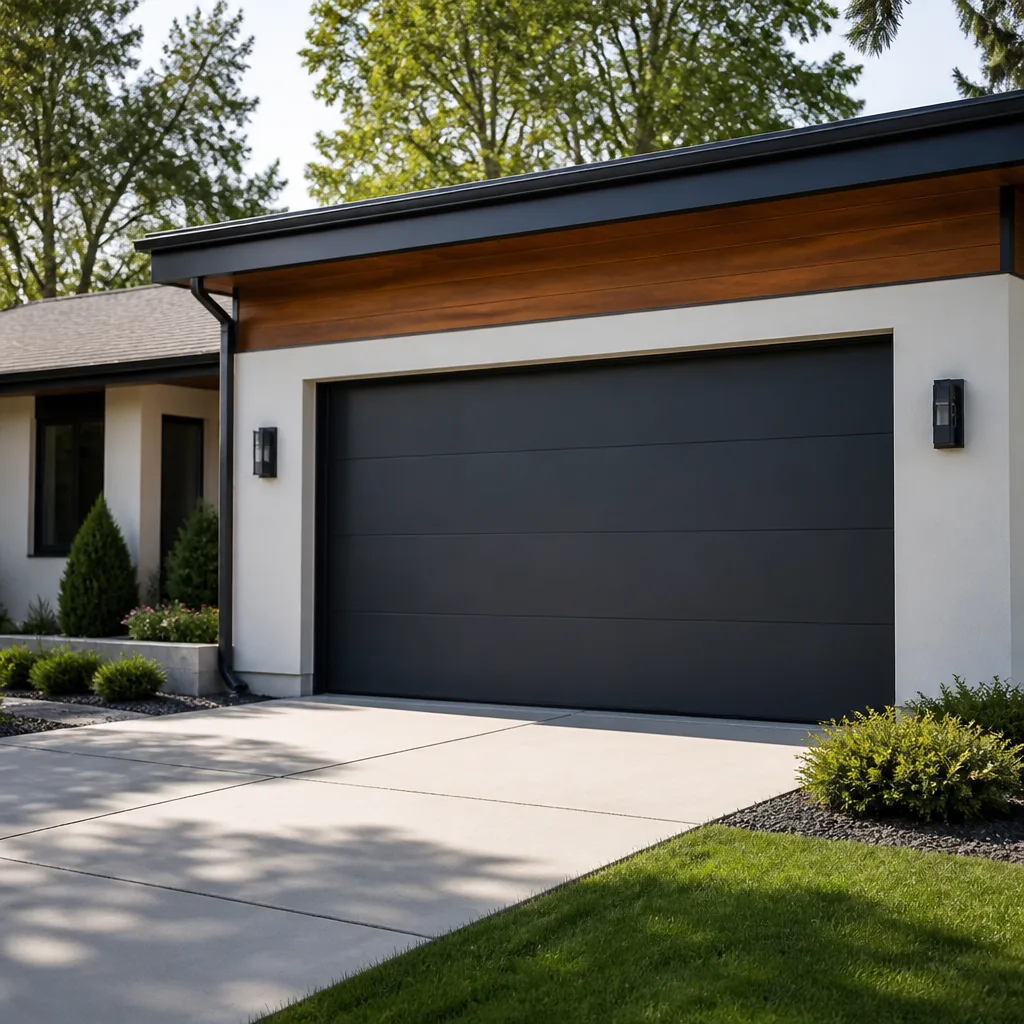 Modern flush
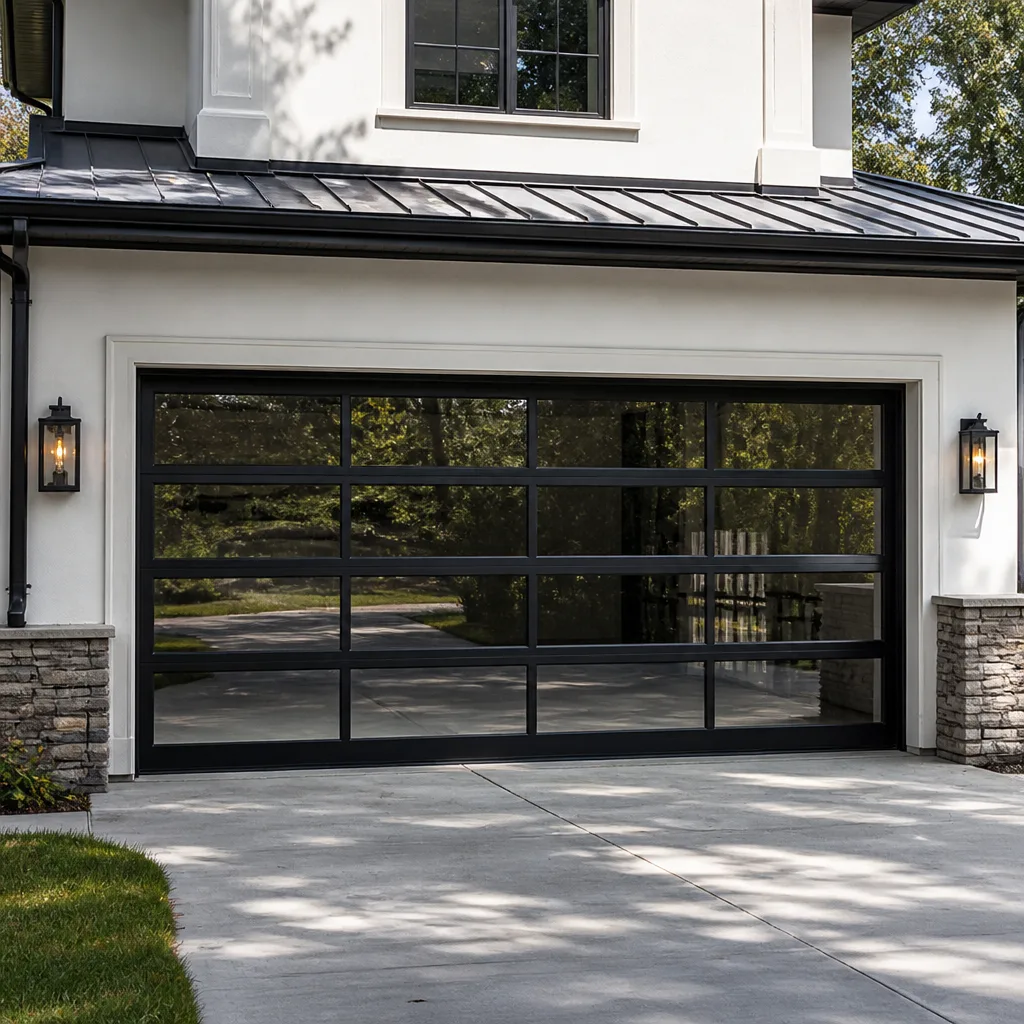 Full-view glass
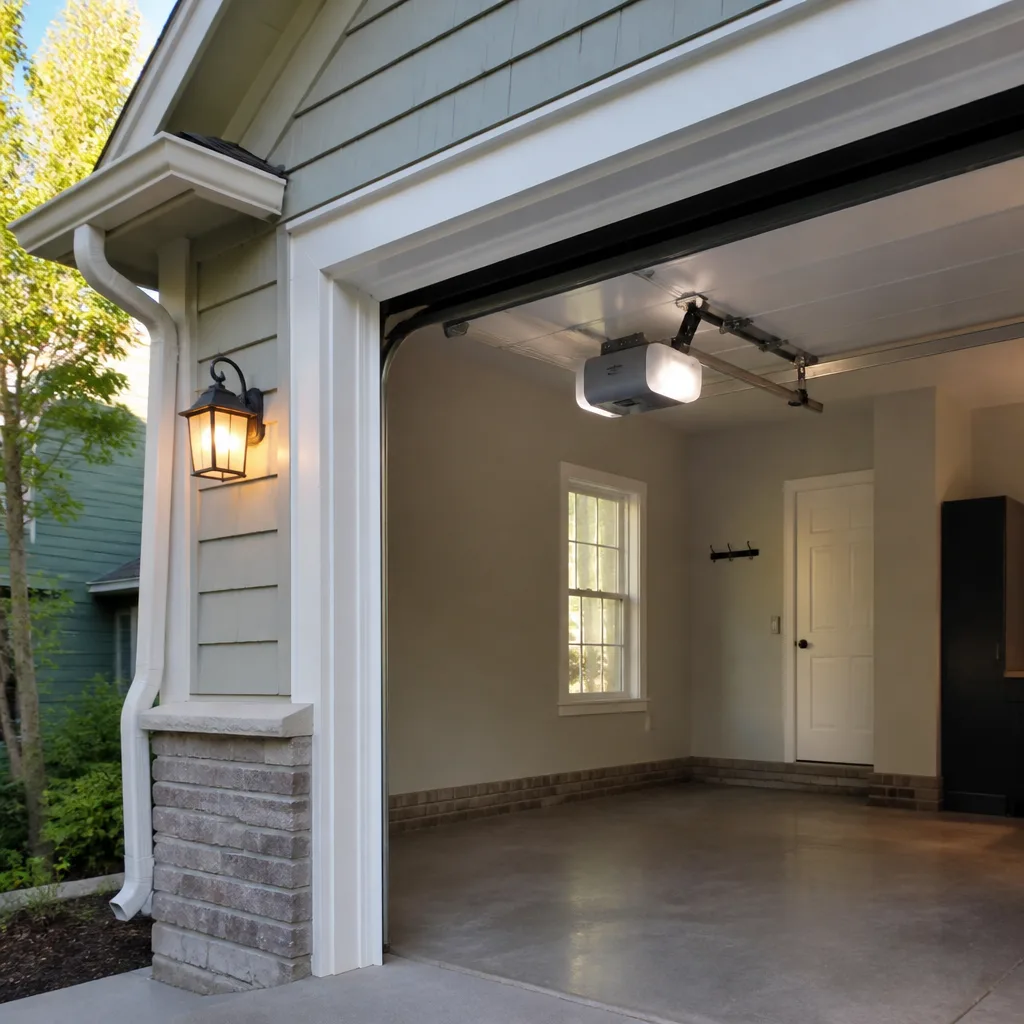 LiftMaster openers
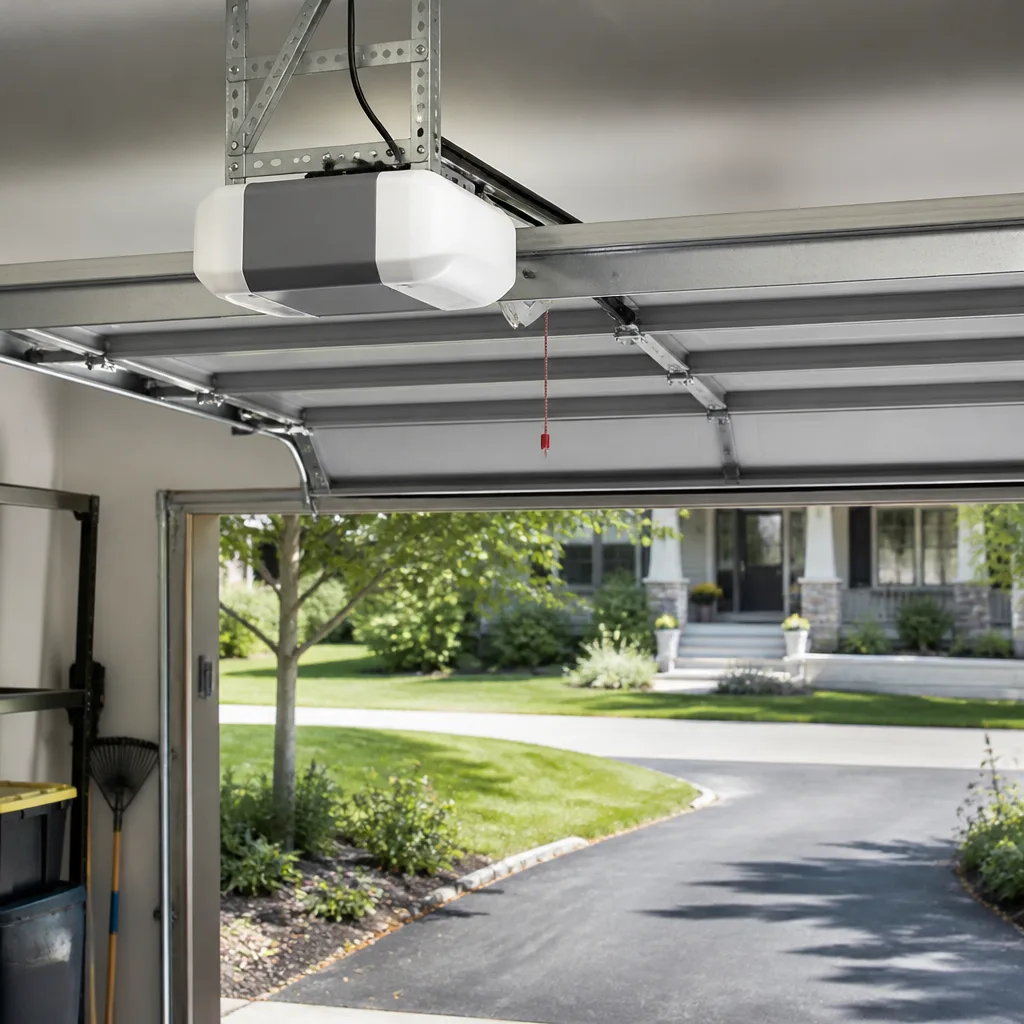 Chamberlain openers
Full 25-point door and opener safety check with every visit - springs, cables, rollers, tracks, and your LiftMaster or Chamberlain opener included
You get a price before we start. It does not change when the pro arrives.
Get your free estimateDIY vs Professional Garage Door: The Joliet Homeowner’s Decision Guide
Torsion spring replacement is one of the most-watched garage door repairs on YouTube, and it’s also one of the most dangerous jobs a homeowner can attempt. That gap between what looks doable on a screen and what’s actually safe to touch is the whole point of this guide. The question isn’t whether you’re handy enough. It’s whether the risk math makes sense for your door, your house, and your Saturday. We’re going to draw a clear line between the garage door tasks that are genuinely fine to handle yourself and the ones that belong to a trained technician. Along the way, we’ll talk about what a real cost comparison looks like once you factor in tools and the odds of a do-over, and what partial DIY means for a homeowner in Joliet who wants to save on labor without gambling on a spring.
Quick Answer
Most garage door maintenance is safe to DIY, but torsion spring replacement, cable work, and anything involving the door under tension are professional-only jobs because the stored energy can cause serious injury in a fraction of a second. For a Joliet homeowner, the smart split is this: handle cleaning, lubrication, visual inspections, and the occasional bracket tightening yourself, then call a trained technician for springs, cables, track realignment, and opener wiring. The cost of a professional spring repair is often less than the tools and risk of a DIY attempt.
Styles & brands we work with
- Raised-panel steel
- Carriage house
- Modern flush
- Full-view glass
- LiftMaster openers
- Chamberlain openers
Table of Contents
- Safe to DIY, Proceed With Caution, and Professional-Only
- Why a Torsion Spring Is Categorically Different
- The Real Cost Comparison for Joliet Homeowners
- What Partial DIY Looks Like
- Illinois Liability and Your Homeowner’s Insurance
- How Joliet Weather and Housing Shape the Decision
- When to Call a Professional
- Frequently Asked Questions
Safe to DIY, Proceed With Caution, and Professional-Only
Here’s the cleanest way to think about the DIY decision: sort every garage door task into one of three buckets, then never blur the line between them. In our experience, most homeowners overestimate what’s safe in the second and third buckets because a task looks simple in a video. It usually is simple, right up until the moment it isn’t.
Safe to DIY
- Lubrication – a few drops of garage door lubricant on hinges, rollers, and the torsion bar bearings quiet a noisy door and slow wear. It’s the single highest-value task a homeowner can do.
- Visual inspection – look for frayed cables, worn rollers, loose bolts, and a door that sits unevenly. You don’t need tools to spot a problem early.
- Cleaning and painting – washing panels and touching up paint on a steel Clopay or Wayne Dalton door protects the finish and reveals dents worth watching.
- Balance check – disconnect the opener and lift the door by hand. If it won’t stay halfway up, the springs are losing tension and it’s time for a professional look.
- Remote and battery swaps – replacing remote batteries or re-pairing a LiftMaster or Chamberlain remote is a two-minute job.
Proceed With Caution
- Track alignment – minor nudges to a slightly bent vertical track can be tempting, but the door’s weight is real. If the door binds after your adjustment, stop.
- Bracket tightening – snugging a loose hinge bolt is fine. Never loosen or remove a bracket that holds a spring, cable, or the door’s weight.
- Weather seal replacement – doable for most homeowners, but the door needs to be safely positioned and stable first.
Professional-Only
- Torsion and extension springs – under extreme tension. One wrong move is a serious injury.
- Cables and drums – these carry the door’s full weight and can snap back without warning.
- Opener wiring and motor swaps – electrical work with high-torque moving parts, and the wrong circuit can damage the opener or the home’s wiring.
- Off-track doors – a door hanging crooked is a heavy object mid-failure. It needs to be stabilized by someone trained to do it.
Why a Torsion Spring Is Categorically Different
To understand why a torsion spring sits in its own category, you have to understand that it’s a stored-energy device, not a mechanical part you’re repairing. A torsion spring is a coiled steel bar mounted above your door. When a technician winds it during installation, they’re twisting that steel into a load that can lift a door weighing hundreds of pounds with a single hand.
Here’s the plain-language version. The spring holds tension the way a drawn bowstring does. It’s held in place by set screws and winding cones, and it wants to release that energy the moment resistance goes away. When a spring breaks, it sounds like a gunshot and sends the door crashing down. When a homeowner releases tension incorrectly during a DIY attempt, the winding bar can whip around with enough force to break bones or cause worse.
That’s why a spring isn’t like a hinge or a roller. A worn roller fails and the door rolls a little rough. A spring fails and the door becomes a falling object, and the person standing under it becomes the thing it lands on. It’s also why spring repair is a named specialty in the trade, not an add-on. The technicians who do it aren’t just stronger or braver; they’ve been trained on the specific tools, the winding procedure, and the failure modes. Our technicians have up to 13 years of experience, and the first thing any of them will tell you about a torsion spring is that no tutorial makes it safe for an untrained hand.
Extension springs, the older style used on many Joliet homes built before the 1990s, are a different animal but no less dangerous. They stretch along the sides of the door and can fail violently, which is one reason modern doors use torsion. If you’re unsure which system your door has, don’t guess. That’s a call worth making.
The Real Cost Comparison for Joliet Homeowners
Most DIY-vs-pro comparisons stop at the part price. That’s the wrong comparison. The honest comparison counts the tools, the time, the odds of a do-over, and the risk you’re accepting when you take on a job outside the safe list.
Here’s how the math typically shakes out for a Joliet homeowner considering a spring replacement on a single-car or two-car door:
- Parts – a replacement torsion spring and winding cones are relatively inexpensive on paper, but you have to match the exact wire gauge, inside diameter, and length to your door’s weight. A mismatched spring can leave the door unbalanced or fail early.
- Tools – a professional job requires specific winding bars, vice grips, and safety gear. Buying them for one job usually costs more than the professional service itself.
- Time – an experienced technician replaces a pair of springs in a short visit. A first-time DIY attempt can eat an entire day, and that’s if nothing goes sideways.
- Do-over risk – the most expensive DIY outcome isn’t the tools. It’s a mistake that damages the door, the opener, or the tracks, and then requires a professional correction anyway.
When you price it honestly, the garage door repair estimate for a spring job is often the cheaper path once tools and risk are counted. It also comes with something a DIY attempt doesn’t: someone to stand behind the work if the door doesn’t balance right the first time. The written estimate from any reputable technician sets the price before work starts, so you know the number going in. For a clearer picture of what a repair call actually involves, our garage door repair page walks through what a service visit looks like.
What Partial DIY Looks Like
You don’t have to choose between “do everything” and “call a pro.” There’s a middle path where a homeowner does the tasks that are safe and prep work that saves technician time, without touching the dangerous components. That’s how a lot of Joliet homeowners get the best of both.
- Clear the workspace. Move cars, bikes, and stored items out of the garage and driveway before a technician arrives. Access matters.
- Note the symptoms. Write down when the door started acting up, what sounds it makes, and whether the opener lights flash. This shortens diagnosis time.
- Handle the safe maintenance yourself. Lubricate the hinges and rollers, tighten loose bracket bolts (never spring or cable brackets), and replace weather seals. This keeps the door in better shape between service visits.
- Do the post-repair finish work. After a professional repair, painting panels, cleaning tracks, or touching up scratches is a good DIY follow-up.
- Read the manual for your opener. If you have a Genie or Chamberlain opener, the manual covers the safe user-level resets. Anything that involves opening the casing or touching the motor is not on that list.
Partial DIY works best when a homeowner is clear about the line. Prep and finish work: yes. Tension, cables, electrical: no. The garage door opener repair page covers what’s genuinely owner-level versus what needs a technician.
Illinois Liability and Your Homeowner’s Insurance
Here’s a question that rarely gets addressed on DIY tutorials: what happens to your homeowner’s insurance if a DIY spring job goes wrong and damages the door, the car, or injures someone? The answer depends on the policy, but the general shape of it is worth understanding before you pick up a wrench.
Homeowner’s policies typically cover sudden accidental damage to the structure, and in many cases they’ll cover the resulting injury to a household member. What they often don’t do is treat a knowingly risky repair the same as a surprise event. Some policies contain exclusions for faulty workmanship, which can mean a claim gets denied or the payout gets reduced if the loss traces back to a repair you did yourself and did wrong. Property damage to a two-car door that falls off its tracks during a failed DIY attempt can run into the thousands to fix, and if that claim is contested it’s on you to sort out.
There’s a second layer to think about in Illinois: liability to others. If a neighbor is standing in your driveway when a DIY-released door comes down, or if a delivery driver is injured by a door that wasn’t properly rebalanced, that’s a liability question that goes beyond the door. A licensed and insured technician’s work usually comes with a level of coverage that a homeowner’s DIY job does not. That’s not a scare tactic; it’s simply how the risk is distributed.
If you’re not sure how your policy reads on DIY repairs, call your insurance agent and ask the specific question. It takes ten minutes and settles the calculation. If you’d rather sidestep the question entirely, hiring a trained technician for the dangerous work is the cleaner path, and a free estimate makes the cost comparison concrete instead of theoretical.
How Joliet Weather and Housing Shape the Decision
Garage door failure isn’t evenly distributed across the country, and Joliet’s climate matters here. The freeze-thaw cycle that runs through a Joliet winter puts real stress on door hardware. Metal contracts in the cold, expands in the warmth, and every cycle works at the springs, hinges, and rollers a little more. A door that runs quietly in July can get stiff and loud by January, which is often the first clue that springs are losing tension.
Humidity swings in the summer months also affect steel doors, causing surface rust on hinges and rollers in garages that aren’t climate-controlled. If your door is a Clopay steel model, a yearly lubrication routine and a visual inspection go a long way toward heading off corrosion. That’s a genuinely safe DIY task, and it’s one of the few that pays off directly in Joliet.
Joliet’s housing stock also matters. The city has a good mix of older homes with legacy extension spring systems and newer builds with torsion springs and smart openers. If your home is on the older side, the springs may be original to the door, and the failure risk is real. In neighborhoods with homes that have been through decades of freeze-thaw cycles, a failing spring is a common service call. If you’re replacing the door entirely rather than repairing it, that’s a different calculation: an installation involves measuring, ordering, and scheduling, not same-day speed. Our garage door installation page covers what that process involves from a Joliet perspective.
A few other local notes that color the DIY decision:
- Garage use – in Joliet, a lot of garages double as storage and workout spaces, which means the door gets cycled more often and the springs wear faster. More cycles means earlier service.
- Power outages – outage-prone stretches in the summer can leave a smart opener dead, and homeowners are often tempted to force the door by hand. Don’t. Use the manual release, and if the door won’t operate after power returns, that’s an opener call.
- De-icing – road salt tracked into the garage accelerates corrosion on steel components. A quick rinse of the door bottom and hinges after a snowstorm is a cheap, safe DIY habit.
- HOA rules – some Joliet-area neighborhoods have associations with rules about door color and style when replacing a door. Check before ordering.
Common Mistakes to Avoid
- Trying to “help” a stuck spring. A spring that’s lost tension or is partially broken isn’t something to nudge by hand. Leave it alone and call. A partial winding can release without warning.
- Buying a spring online without matching the door weight. A spring that’s the wrong wire gauge or length will run rough, wear fast, or fail early. Matching requires the door’s weight and track radius.
- Loosening the wrong bracket to access a roller. The brackets that hold the spring and cable carry the door’s full load. Only the hinge brackets are safe to touch, and only when the door is fully closed.
- Assuming a noisy door means a bad opener. Most door noise is lubrication and worn rollers, not the opener motor. Lubricate first, then call if the noise persists.
- Ignoring a door that sits unevenly. A door that’s crooked or off its track puts asymmetric stress on the springs and opener. It’s a stabilization call, not a DIY adjustment.
- Skipping the balance test after a repair. Even a professional repair should end with a balance check. If the door won’t stay at halfway up, something’s still wrong.
- Skipping the manual on a smart opener. A LiftMaster or Chamberlain unit has user-level resets, but wiring and motor swaps aren’t in that category. Read the manual first, and stop where the instructions stop.
When to Call a Professional
There are specific scenarios where the DIY math simply doesn’t work, and in our experience these are the calls that come in most often. Any broken or sagging spring, a door that’s off its track, a snapped cable, an opener that won’t respond after a reset, or a door hanging at an angle are all professional situations. So is anything that involves the door’s weight, tension, or electrical system. If you’re not sure whether your issue fits, the fastest way to find out is a phone call.
Joliet Garage Door Repair Co offers free estimates in Joliet. We work on the brands that are actually in your garage: LiftMaster, Chamberlain, Genie, Clopay, Amarr, Wayne Dalton, Craftsman, and Raynor. Call (855) 426-1669. We answer 24/7, with fast dispatch from 7am to 7pm, Sunday through Friday. The price is quoted and agreed before any work starts, so you’re never surprised by the invoice. For the full picture of what we cover in the city, see Joliet Garage Door Repair Co.
Frequently Asked Questions
No. A torsion or extension spring is under extreme tension, and incorrect handling can cause serious injury in a fraction of a second. Even a “simple” spring swap requires tools and training most homeowners don’t have, and a mismatched spring can damage the door or opener. Call a trained technician for anything involving springs or cables. Call (855) 426-1669 for an exact quote; estimates are free.
The cost depends on the job and the parts, and the written estimate sets the price before work starts. A spring repair, an opener fix, and an off-track door are all different scopes. The most useful step is a free estimate that gives you a real number rather than a range. Call (855) 426-1669 and we’ll get you scheduled.
Yes, and that’s the split we recommend. Lubrication, visual inspections, cleaning, and weather seal replacement are safe for most homeowners. Springs, cables, opener wiring, and anything involving the door’s weight or tension belong to a technician. This partial-DIY approach keeps the door in better shape and reduces the labor you’re paying for without taking on the risky tasks.
It depends on your policy, and the honest answer is to call your insurance agent with that specific question. Many policies cover sudden accidental damage, but some contain exclusions for faulty workmanship, which can reduce or deny a claim tied to a repair you did yourself. The safer path is having a trained, insured technician handle the dangerous repairs in the first place.
For repair calls, same-day service is often available, and fast dispatch runs from 7am to 7pm, Sunday through Friday. A call outside dispatch hours is booked into the next opening. New door installations are measured, ordered, and scheduled, so those aren’t same-day jobs. Call (855) 426-1669 to find out what fits your situation.
Don’t force the door by hand, and don’t try to “help” a spring that’s clearly under strain. If the door is stuck and the opener won’t respond, use the manual release only if the door is fully down, and call for service. A trapped car or an unsecured entryway is exactly the kind of call we prioritize. Call (855) 426-1669; we answer 24/7.
The Bottom Line
The DIY-vs-pro question for a garage door isn’t really about how handy you are. It’s about where you draw the line between “safe to handle” and “risky by design.” Maintenance, inspection, cleaning, and prep work are safe for most homeowners. Springs, cables, opener wiring, and anything under tension are professional-only, not because they’re too hard, but because the failure mode is a falling door or a released spring. A free estimate in Joliet makes the cost comparison concrete; for most homeowners, the professional path is cheaper once tools and risk are counted. When in doubt, call.
Call Joliet Garage Door Repair Co at (855) 426-1669 for a free estimate. We answer 24/7, with fast dispatch from 7am to 7pm, Sunday through Friday. We work on your brand, whether that’s a LiftMaster opener, a Clopay door, or a Craftsman unit that’s been running for years, and the written estimate sets the price before work begins.
Written by the team at Joliet Garage Door Repair Co.
See the difference
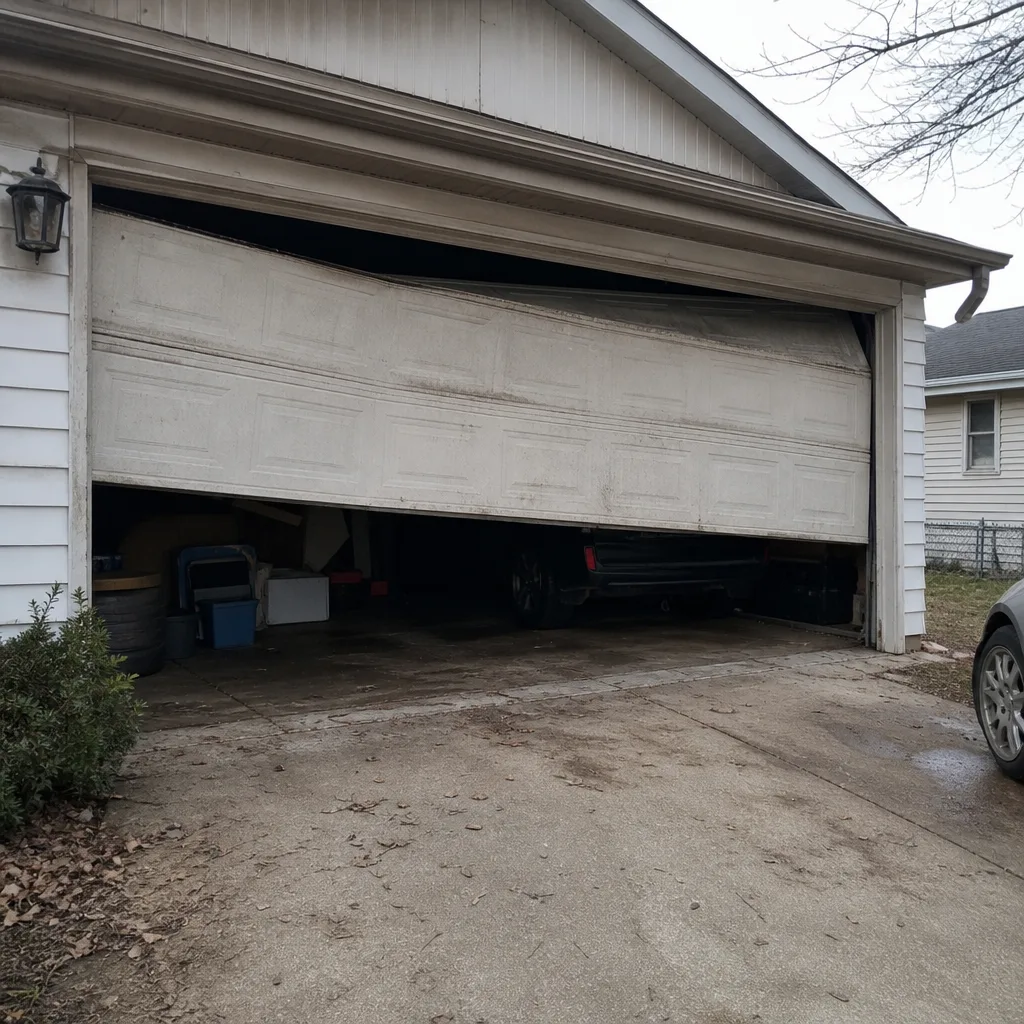 Before
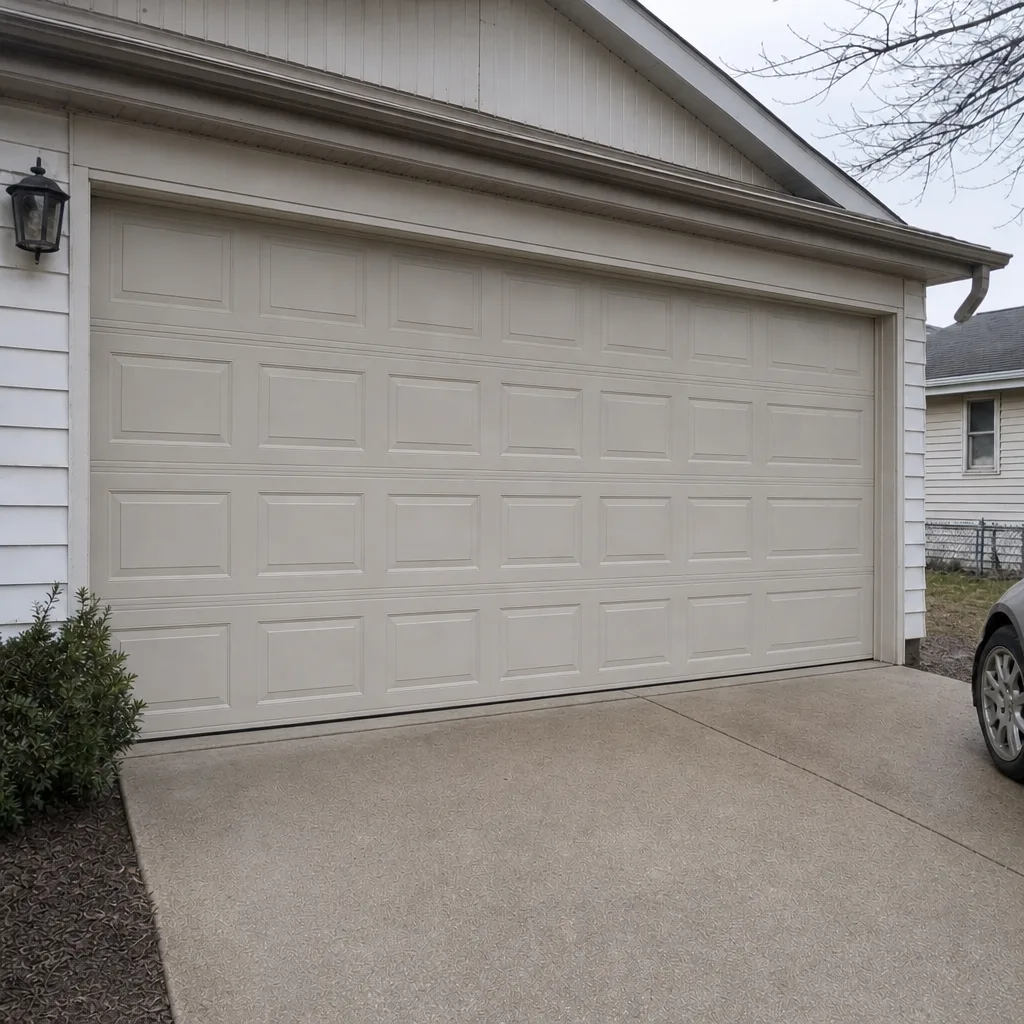 After
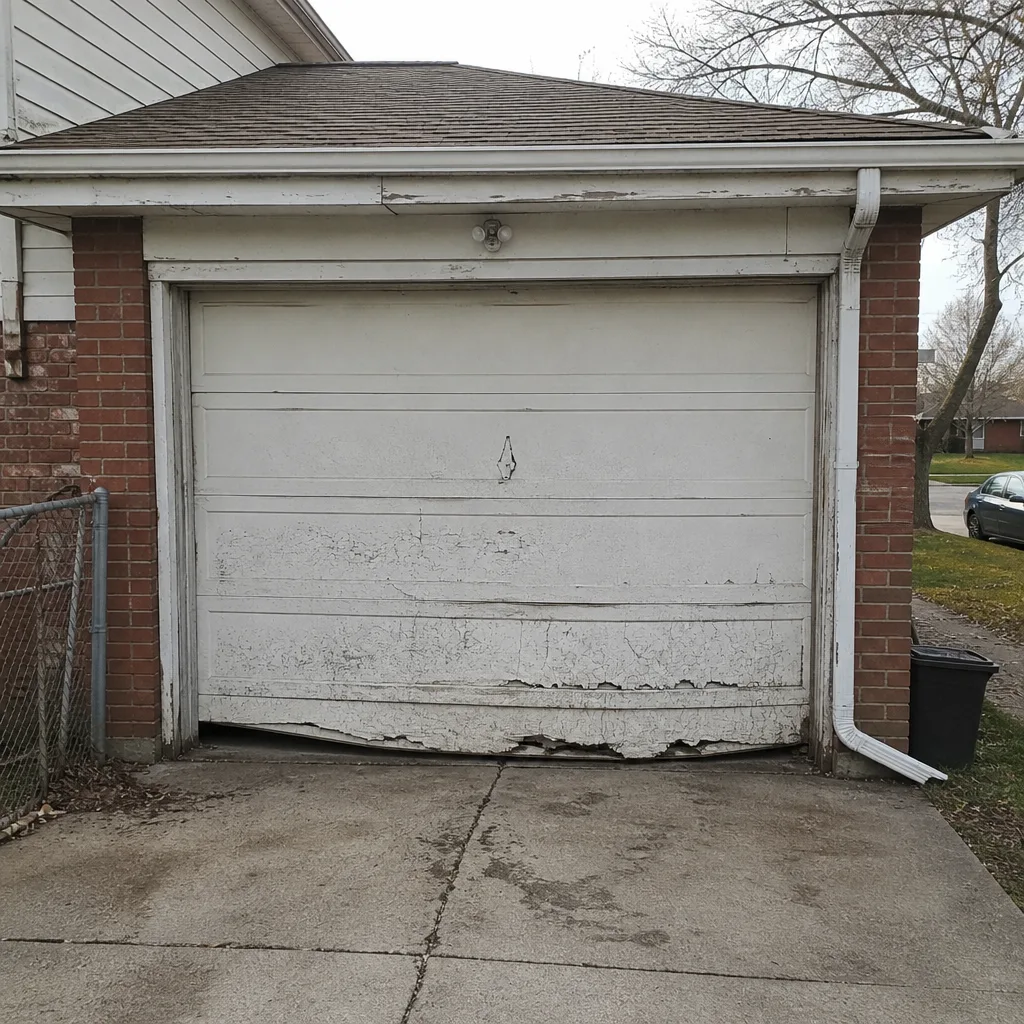 Before
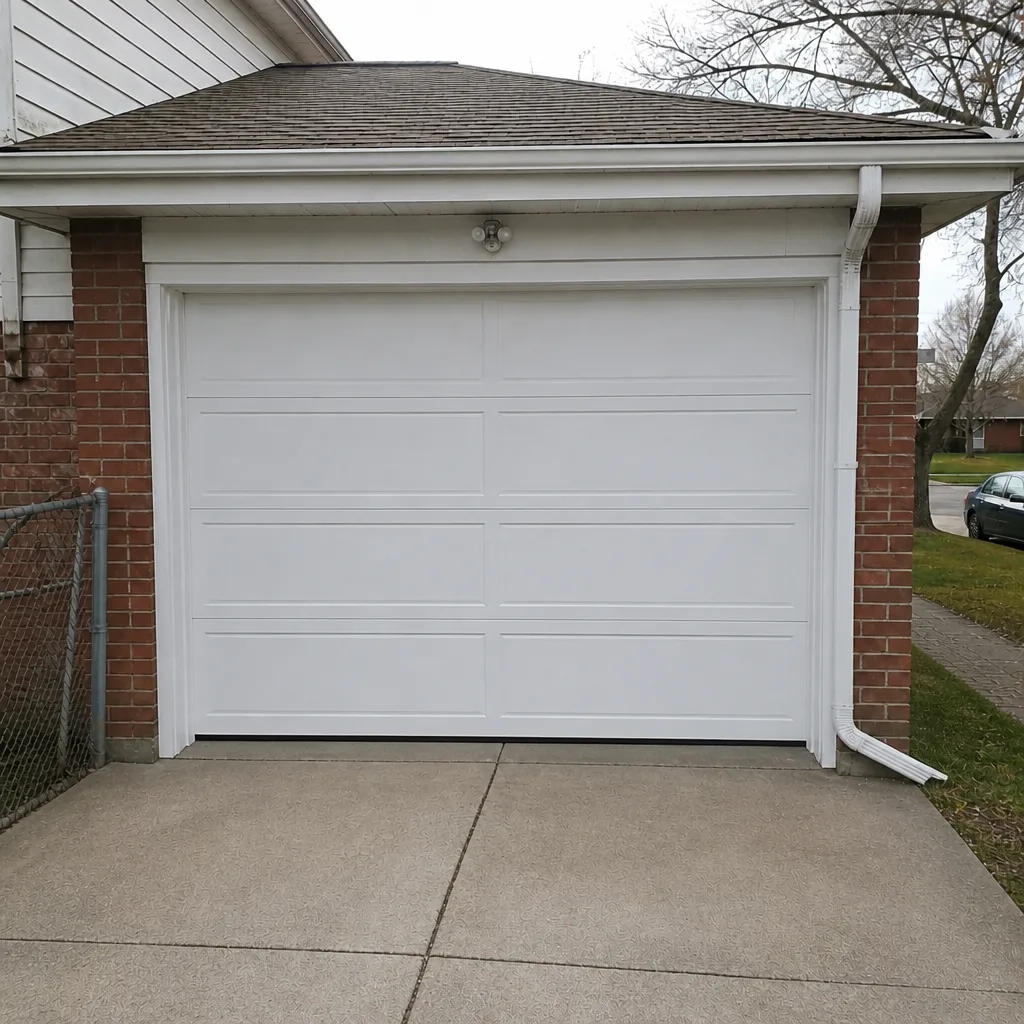 After
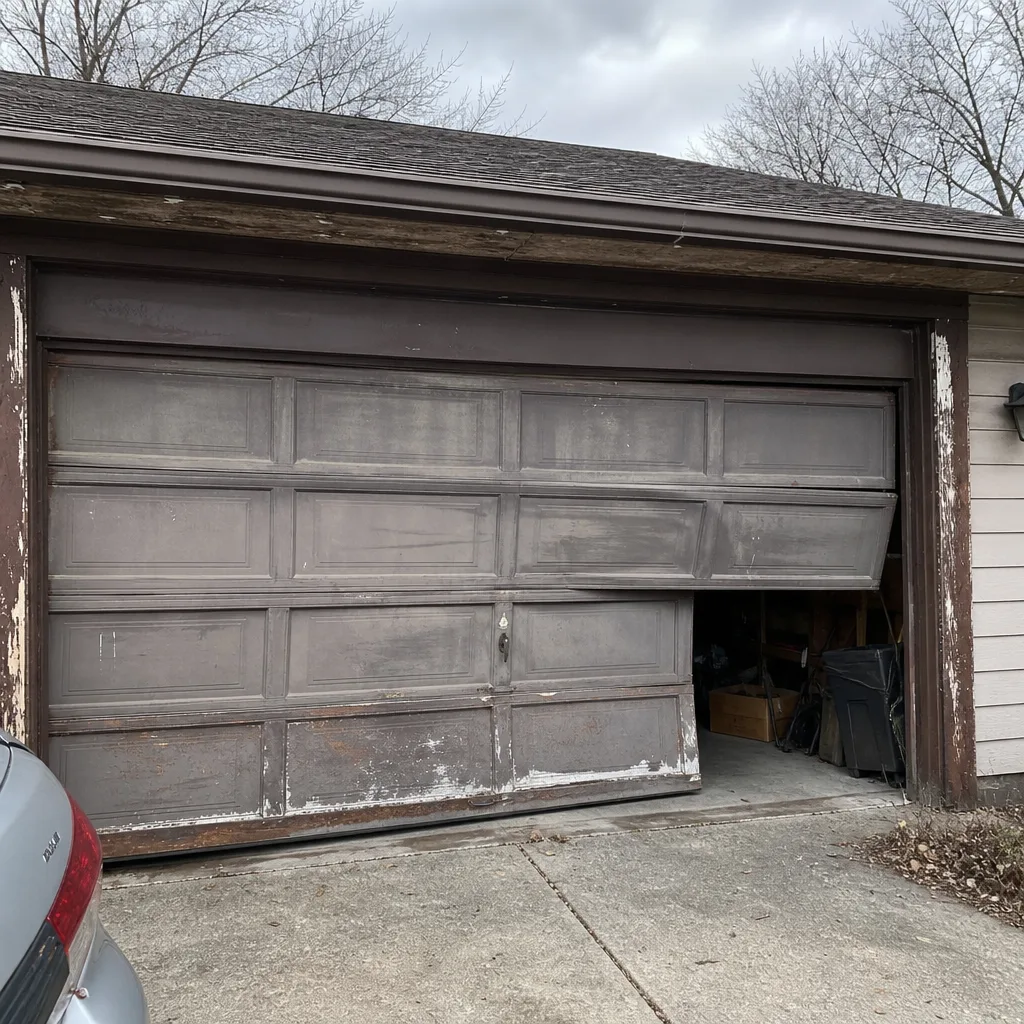 Before
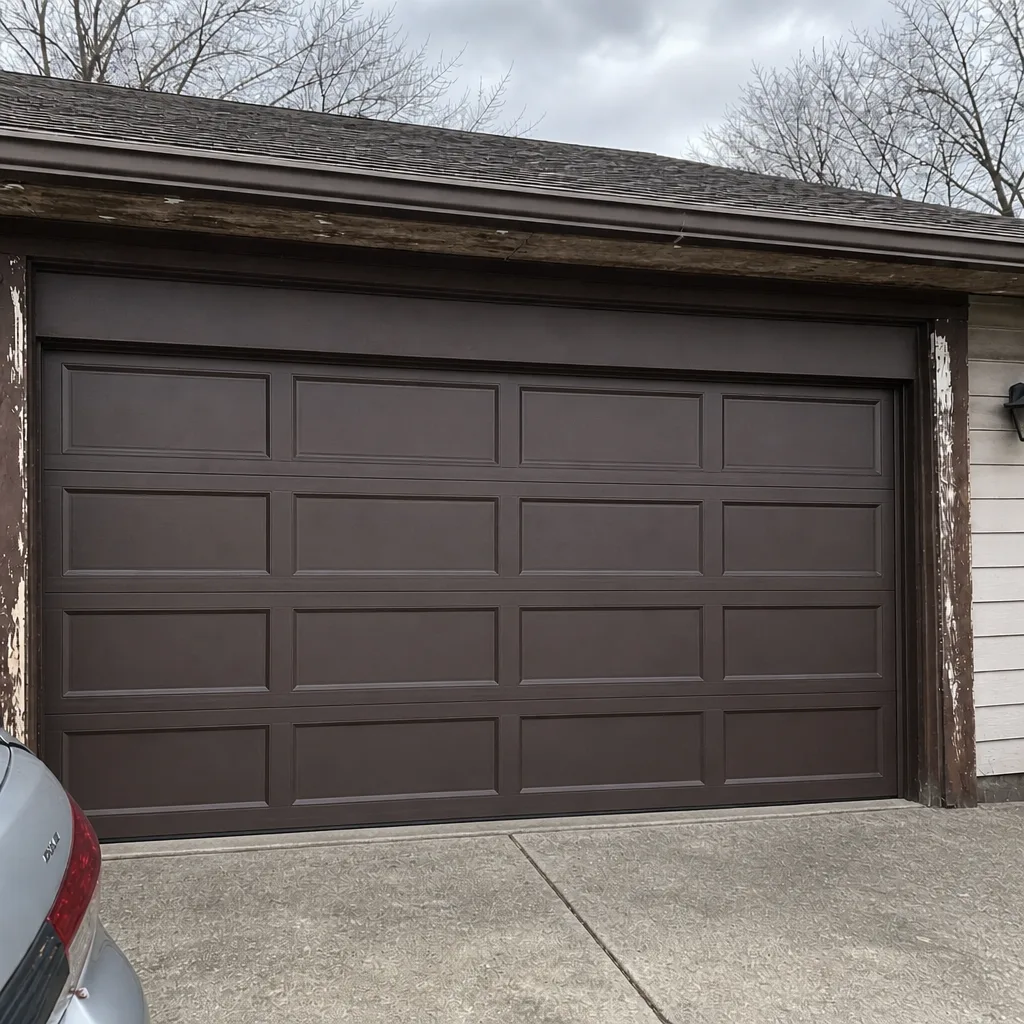 After