
Last updated November 21, 2026
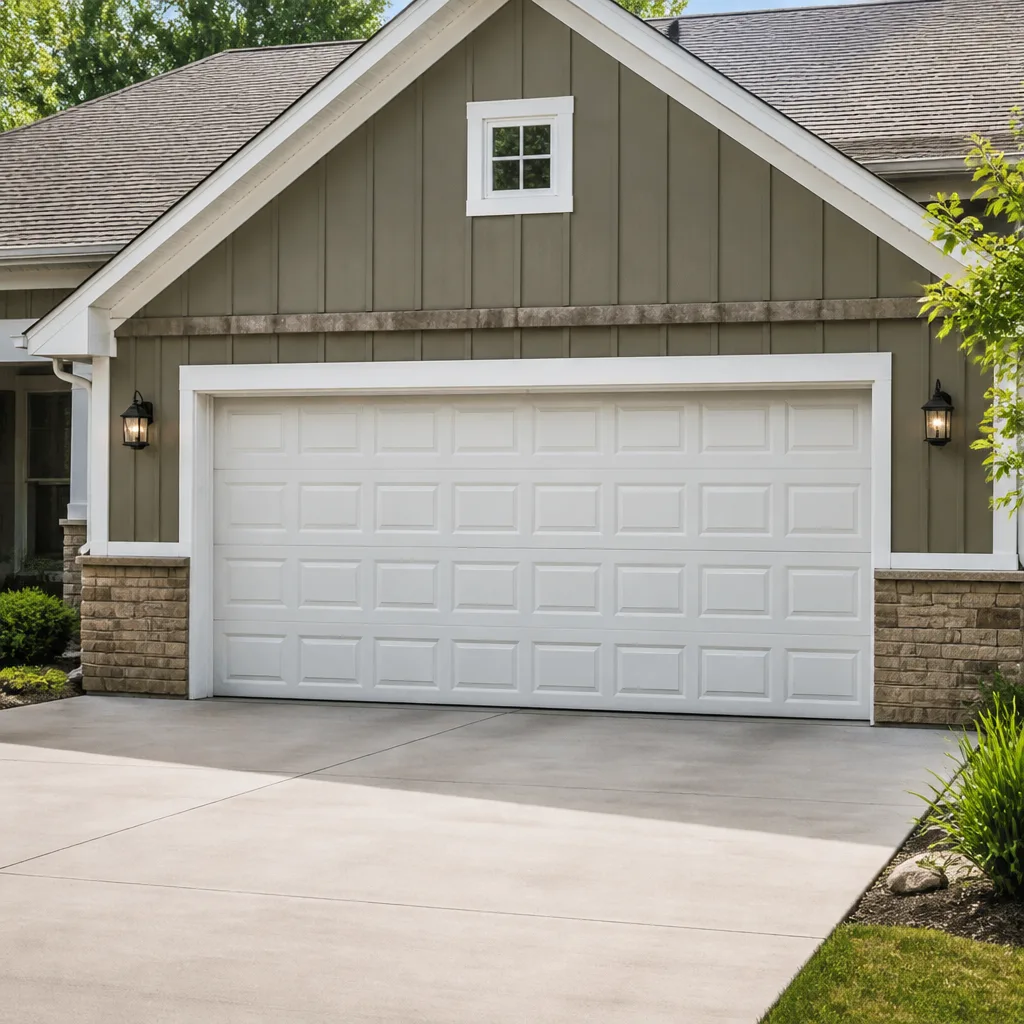 Raised-panel steel
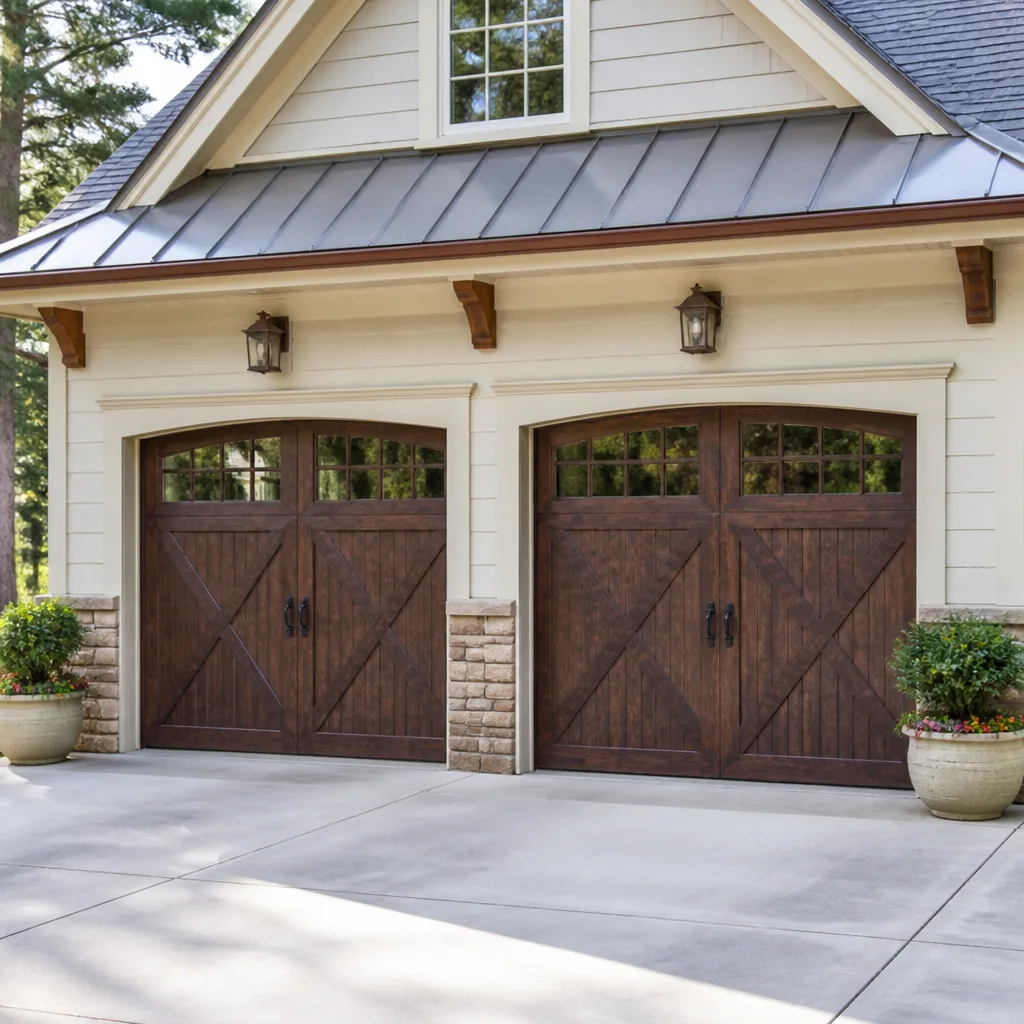 Carriage house
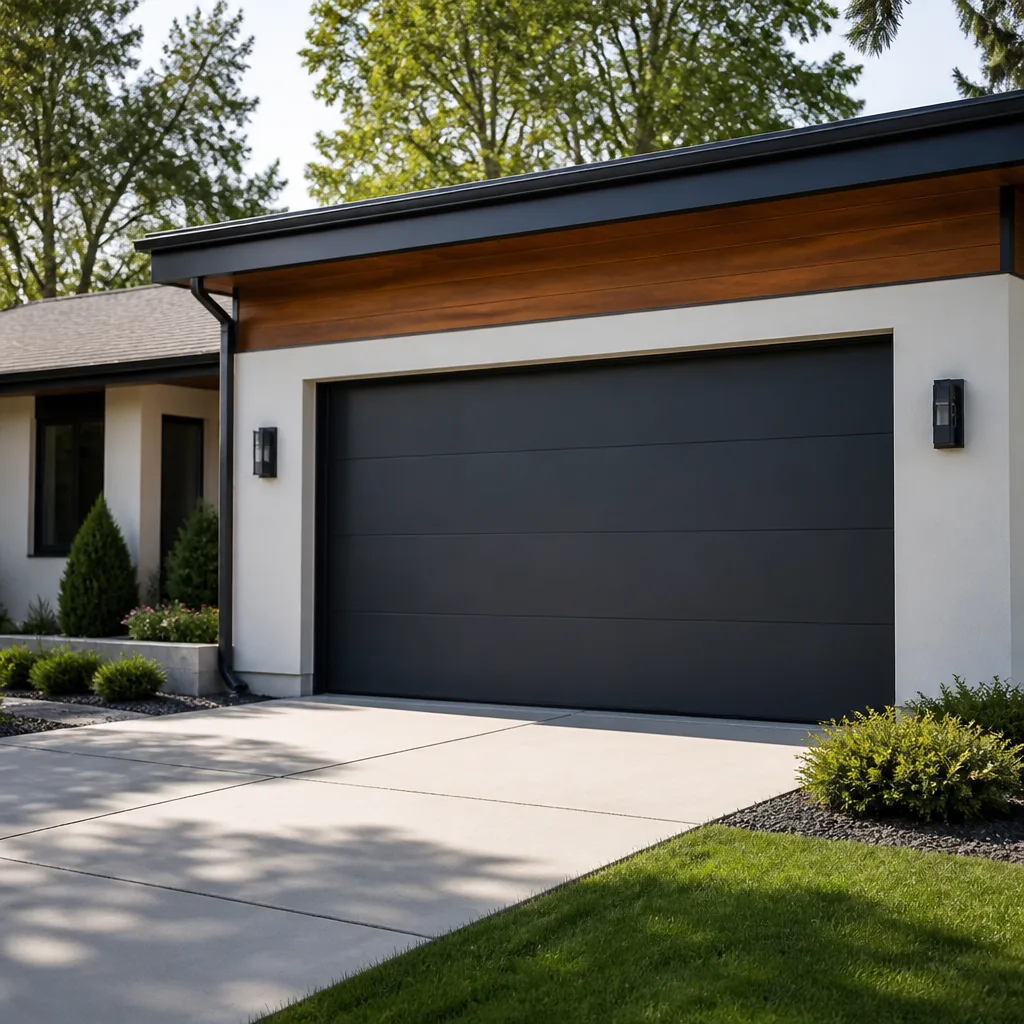 Modern flush
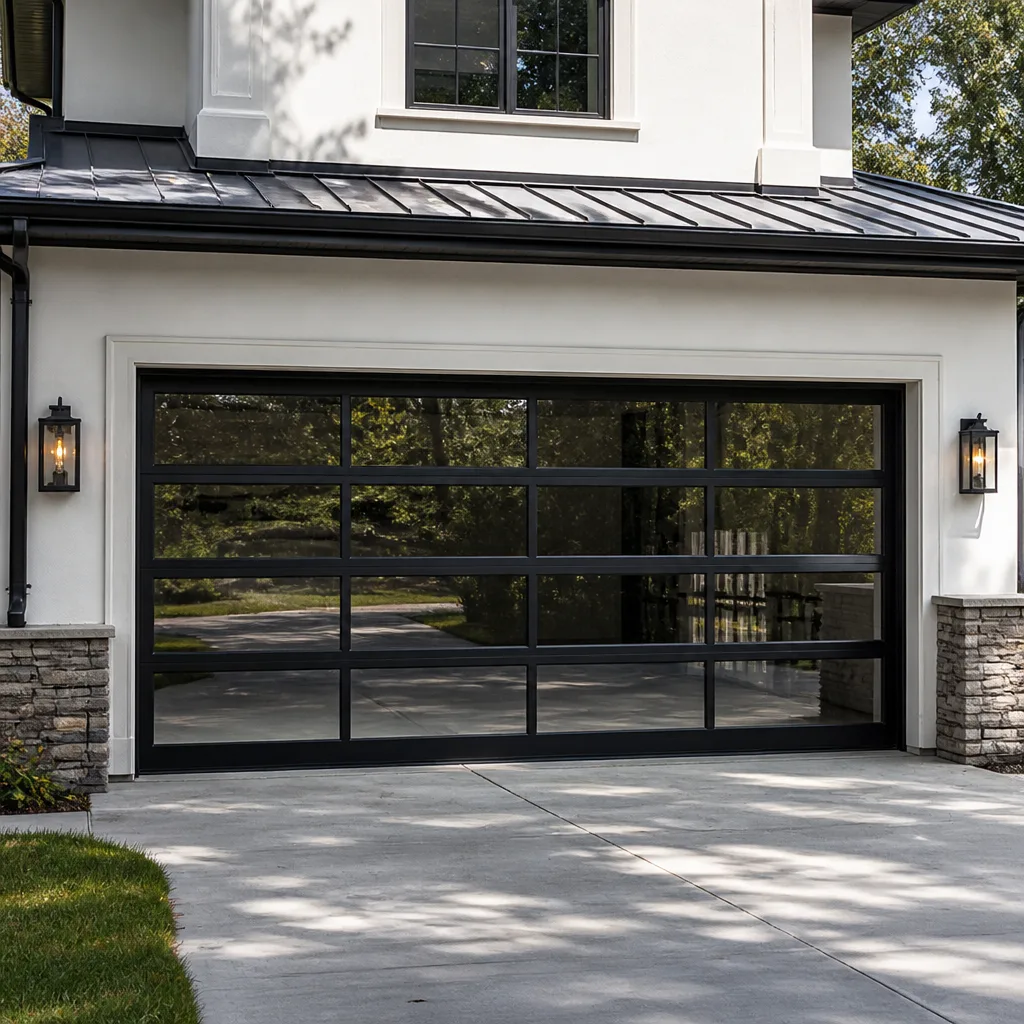 Full-view glass
 LiftMaster openers
 Chamberlain openers
Full 25-point door and opener safety check with every visit - springs, cables, rollers, tracks, and your LiftMaster or Chamberlain opener included
You get a price before we start. It does not change when the pro arrives.
Get your free estimateSeasonal Garage Door Care for Joliet: Year-Round Homeowner’s Guide
Most garage door advice treats maintenance as a single annual chore – lubricate this, tighten that, done. Joliet doesn’t work that way. A garage door here lives through four distinctly different stress cycles a year, and each season attacks a different part of the system. Winter drives the steel and the springs. Spring thaw pushes water and shifting ground at the bottom of the door. Summer cooks the rubber and strains the opener motor. Fall is the narrow window where you can actually get ahead of all of it. What follows is a season-by-season map of what fails, when, and what to do about it, so you’re never reacting to a problem that was preventable two months earlier.
Quick Answer
Garage doors in Joliet need four seasonal touchpoints: a fall prep pass before the first freeze, a winter watch on spring tension and frozen tracks, a spring check for frost heave and water intrusion at the bottom seal, and a summer review of rubber seals and opener motor performance. Fall work matters most, because it’s the only season where you can prevent the winter failures that show up on the coldest mornings. The rest is monitoring.
Styles & brands we work with
- Raised-panel steel
- Carriage house
- Modern flush
- Full-view glass
- LiftMaster openers
- Chamberlain openers
Table of Contents
- Fall Prep: The Tasks That Actually Prevent Winter Failures, Ranked
- Winter: What Sub-Zero Cold Does to Torsion Springs
- Spring Thaw in Joliet: Frost Heave, Water Intrusion, and Track Warping
- Summer Heat: Rubber Seals and Opener Motor Strain
- Your One-Page Seasonal Task Calendar
- Safety: What You Should Never Adjust Yourself
- Common Mistakes to Avoid
- Frequently Asked Questions
Fall Prep: The Tasks That Actually Prevent Winter Failures, Ranked
Every fall maintenance list tells you to lubricate the door. What they don’t tell you is which tasks actually stop a February breakdown and which are just busywork. Here’s the ranking, ordered by how directly each task prevents a winter failure in Joliet.
- Test the door’s balance. Disconnect the opener and lift the door halfway by hand. A balanced door stays put. One that drifts down or races up is telling you the spring is already losing tension – and a spring that’s weak in October is a snapped spring in January. This is the single most predictive test on the list.
- Lubricate the springs, hinges, and rollers – but not the tracks. A light application of a proper garage door lubricant on the torsion spring and the hinge pivots reduces the friction that cold weather magnifies. Tracks get wiped clean, not greased; lubricant in the track collects grit and does more harm than good.
- Inspect the bottom seal and weatherstripping. A cracked or hardened seal lets meltwater and cold air in, and once water sits against the bottom panel and freezes, it can hold the door to the floor.
- Check the door’s alignment and track mounting. Loose track brackets rattle more in cold weather and can pull free under the extra strain of a stiff door.
- Clear the tracks of debris. Leaves and grit around the floor entry point are common near the tree-lined blocks and older alleys in Joliet. A clean track runs truer all winter.
- Test the opener’s safety reverse. An opener that stops short on a cold morning isn’t a mystery – the force settings and safety sensors need attention before the temperature drops, not after.
- Book a professional tune-up before the freeze. If you’re going to have someone look at the door, do it in fall. It’s the season when every adjustment is preventive rather than an emergency call.
Notice what’s at the top of that list: the balance test and the spring. That’s deliberate. Springs are the number one winter failure, and they give warning signs in fall. Skip that test and you’re gambling a snapped spring on the coldest week of the year – which is exactly what our garage door repair calls look like in February.
Winter: What Sub-Zero Cold Does to Torsion Springs
Torsion springs are steel wire under constant tension. Cold makes steel more brittle, and that changes how the whole system behaves. In sustained sub-zero temperatures, the spring doesn’t loosen – it becomes more prone to failure at the point where it’s already working hardest, typically the coil closest to the winding cone or the most fatigued section of the wire. A spring that was carrying a full load in October can give out on the first genuinely cold morning, and it often does it while the door is up or halfway down.
What does that mean for you, practically?
- Expect a stiffer door. Even a healthy door feels heavier and moves slower in the cold. That’s normal. A door that won’t lift at all, or lifts unevenly, is not normal.
- Listen for the creak. Cold shrinks metal and dries out lubricant, and the noise is your early warning that something needs attention.
- Don’t force a stuck door. If the opener strains, stops, or the door hangs, stop cycling it. A door with a broken spring being pushed by an opener can bend panels, snap cables, and cause the opener to tear loose from its mount.
- Keep the bottom of the door clear of ice. Ice bonding the bottom seal to the floor makes the opener fight the door every cycle. A clean threshold and a flexible seal prevent most of it.
If the spring has gone, the door needs a trained technician. A torsion spring under load stores enough energy to break a hand or arm, and the adjustment is not a homeowner task under any conditions. It’s one of the reasons Joliet Garage Door Repair Co treats spring work as a standalone specialty rather than a sideline.
Cold-Weather Opener Strain
The opener takes more punishment in winter than any other season. Cold grease, stiffer rollers, and a heavier door all add drag. If your opener is a LiftMaster or Chamberlain unit with a battery backup, winter is also when you’ll find out whether the battery is still good. Smart openers that report their health to an app will often flag a battery problem before you notice it – one genuine advantage of the connected systems we work with.
Spring Thaw in Joliet: Frost Heave, Water Intrusion, and Track Warping
Spring doesn’t just bring warmer air – it brings ground movement. The freeze-thaw cycle here works the soil under slabs and along the foundation, and garage doors sit right on top of that movement. There are three things in particular that show up once the ground starts letting go.
Frost Heave at the Threshold
Water gets into the ground next to the garage, freezes, and expands. That expansion can lift the slab or shift the framing slightly, which pushes the bottom of the door out of line with the threshold. You’ll notice it as a gap under one corner, a door that catches on one side, or a seal that no longer sits flush. It’s not a door problem; it’s the ground moving under the door.
Water Intrusion at the Bottom Seal
A worn bottom seal does nothing to stop spring runoff from getting under the door and into the garage. Once water sits, it works on the bottom panel’s coating, the threshold, and anything stored near the door. Replacing a hardened bottom seal in spring is inexpensive and stops the problem before the panel takes damage.
Track Warping from Temperature Swings
Tracks are bolted to framing that moves with the seasons. A rapid warm-up after a hard freeze can leave a track slightly out of plumb or bent at a joint. You’ll hear it before you see it – the door scrapes or pops at one point in its travel, or a roller binds. Left alone, a warped track accelerates roller wear and can eventually pull the door off the track entirely. If your door is catching, scraping, or binding as the weather warms, that’s a repair call rather than an adjustment you want to make yourself. Our garage door opener repair service covers opener-side symptoms in this season too, since a track that binds will make the opener behave as if it’s the problem.
Summer Heat: Rubber Seals and Opener Motor Strain
Summer is the season most garage door guides ignore entirely, and it’s a mistake. Heat does two slow, invisible things to your door over three months.
The first is to the rubber. Bottom seals, hinge gaskets, and weatherstripping are all rubber or rubber-like material, and heat hardens and shrinks them. By September a seal can be visibly cracked and no longer conforming to the floor. You won’t notice until the first cold rain or the first freeze, which is why the seal inspection belongs on both the summer and fall lists.
The second is to the opener motor. Slab-garage and attached-garage interiors in Joliet can get genuinely hot in summer, and an opener motor in a hot garage works harder than one in a cool space. Older mechanical units like Craftsman openers have less thermal headroom than modern ones, and a motor that’s already marginal will show it in summer heat: it runs longer, feels hot to the touch, or fails to complete a cycle. Modern LiftMaster, Chamberlain, and Genie openers are better protected but still benefit from a clean, unobstructed motor area with room to breathe.
- Run a full open-close cycle in the heat of the day and watch it. A door that moves smoothly in cool morning air can bind in the heat.
- Check the seal for cracking and gaps. If it’s hard and won’t flex, it’s done.
- Watch the opener’s behavior. Long cycles, hot motor housings, or intermittent stops point to trouble – and are often fixable before they become a full failure.
- Keep the opener area clear. Stored goods piled around the motor trap heat and block access for servicing.
The same logic applies to the door hardware. Heat expands the metal tracks and panels slightly, and a door installed on a cold day may rub. These are small things in July. They’re annoying in October. They’re expensive in January.
Your One-Page Seasonal Task Calendar
Here’s the whole guide condensed into a calendar you can actually save and use. Copy it into your notes app or print it. Each season has one primary job and a short checklist.
| Season | Primary Focus | Tasks |
|---|---|---|
| Fall (October-November) | Prevent winter failures | Balance test by hand; lubricate springs and hinges; inspect bottom seal; check track brackets; clear tracks; test safety reverse; book a professional tune-up before the freeze |
| Winter (December-February) | Monitor spring and cold strain | Listen for creaks; don’t force a stuck door; keep the threshold clear of ice; check battery backup on connected openers; watch for slow or uneven lifting |
| Spring (March-May) | Handle ground movement and water | Check for gap under the bottom seal; look for door misalignment or catching; watch for scraping at one point in travel; replace hardened seals; get track issues looked at |
| Summer (June-September) | Protect rubber and opener motor | Run a full cycle in heat; check seals for cracking; watch opener for long cycles or hot motor; keep the motor area clear |
A Simple Monthly Habit
Beyond the seasonal work, one minute of attention once a month catches most problems early. Do this:
- Open the door and walk it through a full cycle while watching and listening.
- Look up at the springs. Are they intact and even? Rust shows as brown streaks on the coils.
- Check that the tracks look straight and the rollers aren’t grinding.
- Press a hand to the bottom seal. It should flex and conform.
- Test the safety reverse if you haven’t recently.
If any of those checks gives you pause, that’s the moment to get an expert eye on it. A garage door installation isn’t the answer to a tired door with one worn seal, and a repair isn’t the answer to a door at the end of its service life. The point is knowing which moment you’re in.
Safety: What You Should Never Adjust Yourself
A garage door is the largest moving object in most homes, and two parts of it are genuinely dangerous: the torsion springs and the cables. A twist of the wrong bolt or a slip while trying to wind a spring can end badly, and it happens to careful people who’ve watched a video and thought it looked manageable.
There are three things you should never adjust yourself:
- The springs. They’re under enough tension to cause serious injury. Any service on them requires a trained technician with the right tools and the door in a safe position.
- The cables and their tension. Cables are under load and can snap. Inspecting them for visible fraying is fine; adjusting them isn’t.
- The opener’s force and travel settings under load. Testing the safety reverse is fine. Setting the force too high to compensate for a door that’s binding is not – it defeats the safety mechanism.
Managing the balance test, lubricating the springs and hinges from the outside, checking the seal, and keeping the threshold clear are all within reach for a careful homeowner. Anything that involves loosening a spring, a cable, or a structural mount is not. If the door isn’t moving right, if a spring looks broken, or if the door has come off its track, get it in front of a trained professional before operating it again. There’s a real difference between a door that needs a lubricant and a door that needs hands on it.
Common Mistakes to Avoid
- Lubricating the tracks. It feels right and it’s wrong. Grease in the track collects grit and grit wears your rollers. Wipe tracks clean; lubricate the moving metal parts, not the channel they run in.
- Ignoring the fall balance test because the door worked all summer. A door that worked fine in August can be a broken spring in January. The balance test is the one check that catches this before it fails.
- Pushing a stuck door to force it. A door with a failed spring, a warped track, or a cable problem should not be cycled. Forcing it can bend panels and cause more damage than the original problem.
- Replacing the opener when the door is the problem. A door that binds, hangs, or moves unevenly puts load on the opener. Replacing the opener fixes the symptom; the door still needs attention. This is one of the most common misdiagnoses we see.
- Skipping the summer check entirely. Seals and opener motors age invisibly in the heat. A cracked seal in September is a water problem in October and a frozen-door problem in January.
- Assuming brand matters more than the technician. A Raynor, Clopay, or Amarr door and a LiftMaster or Genie opener – and an older Craftsman unit – all need the same fundamental maintenance. What matters is that the person working on it knows the system in front of them.
- Waiting until the coldest week to service the door. February is when doors fail here. October is when you can prevent it. If you’re booking a tune-up, book it in the fall.
See the difference
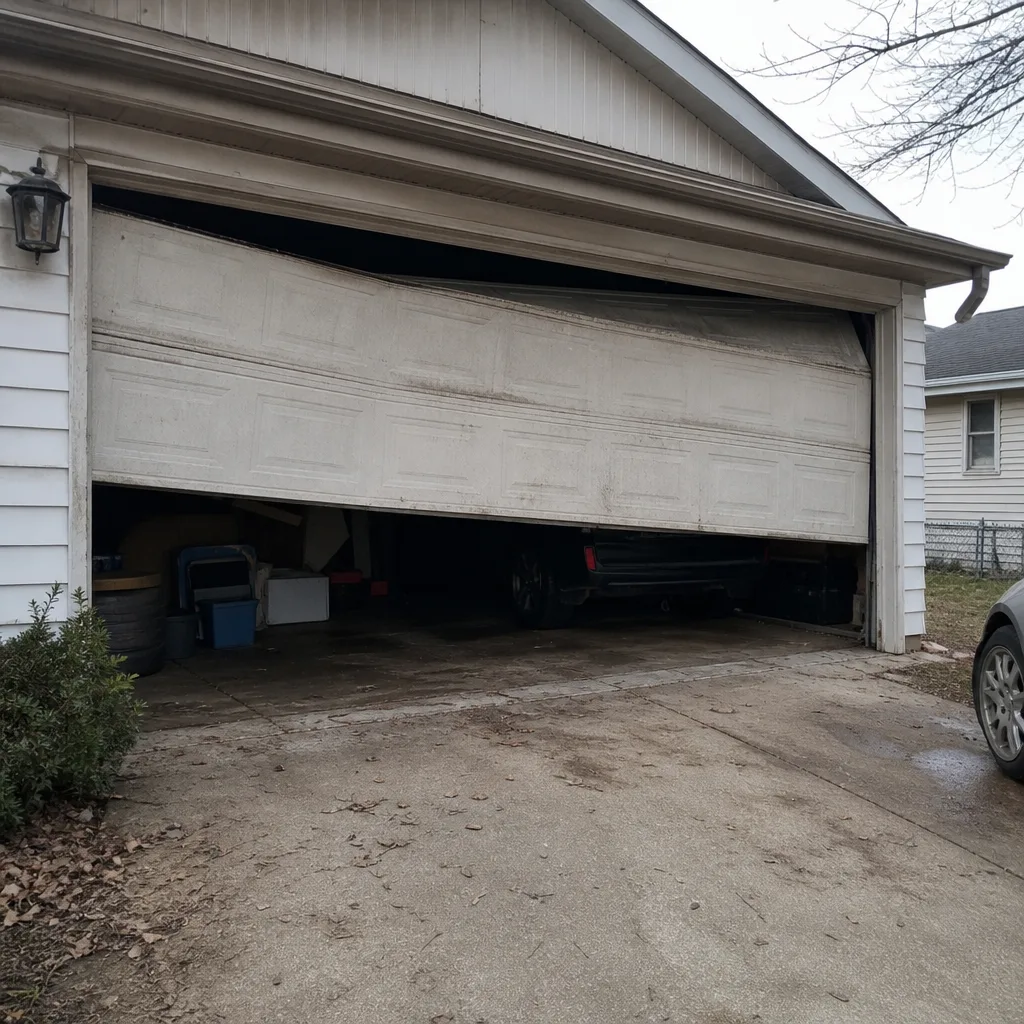 Before
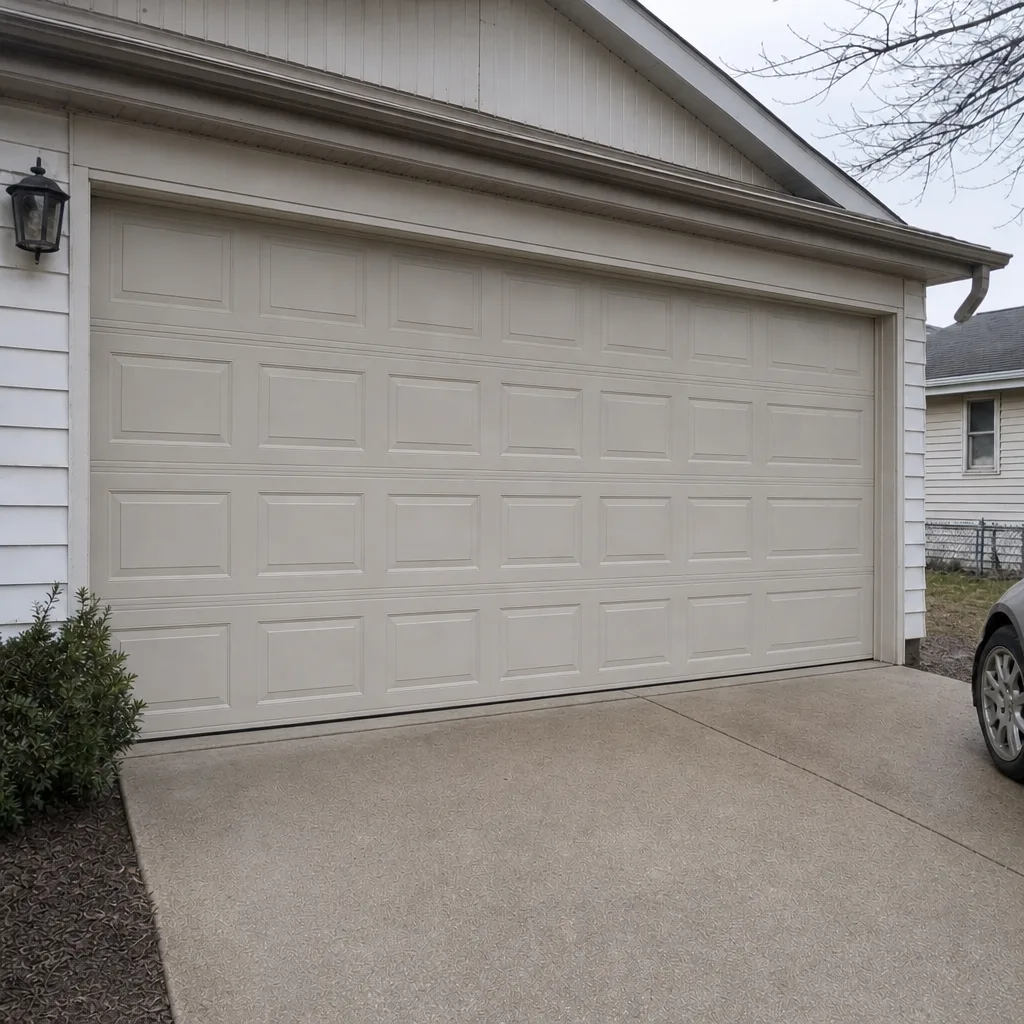 After
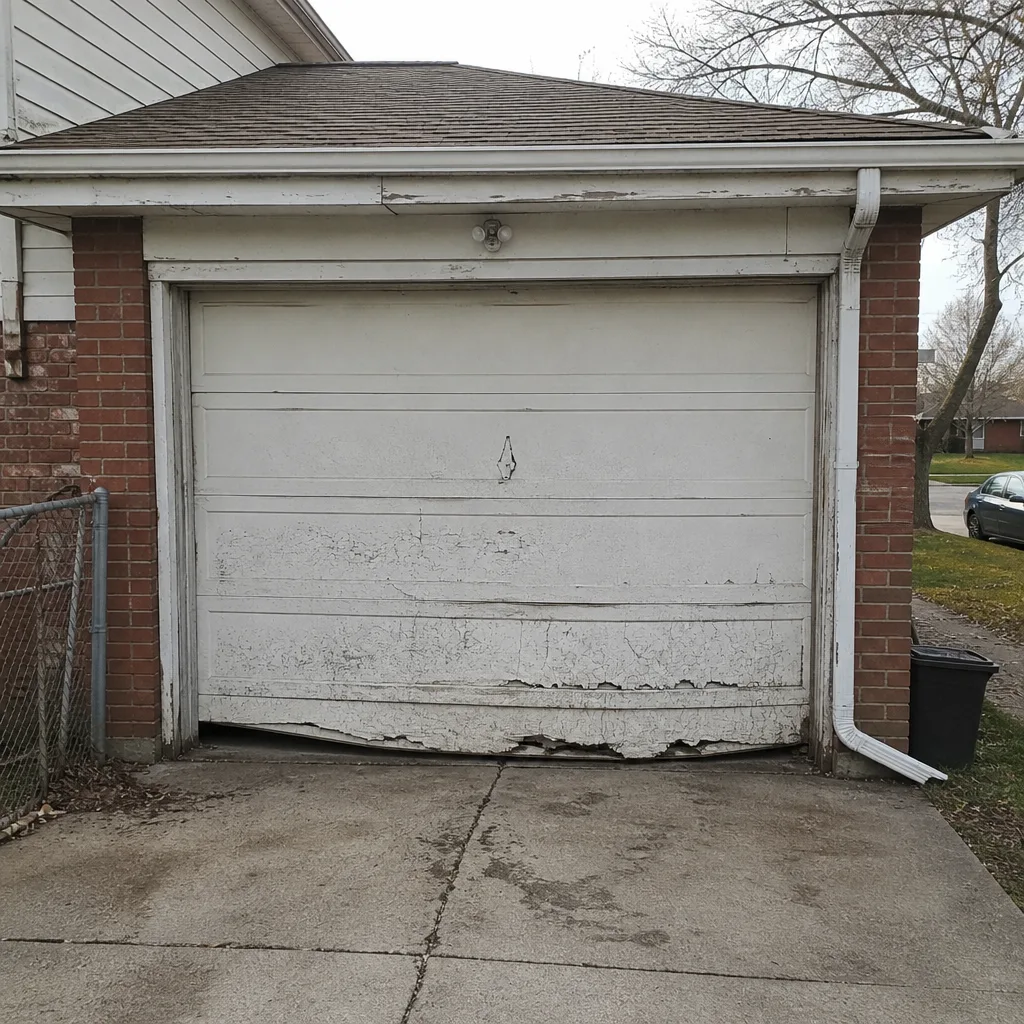 Before
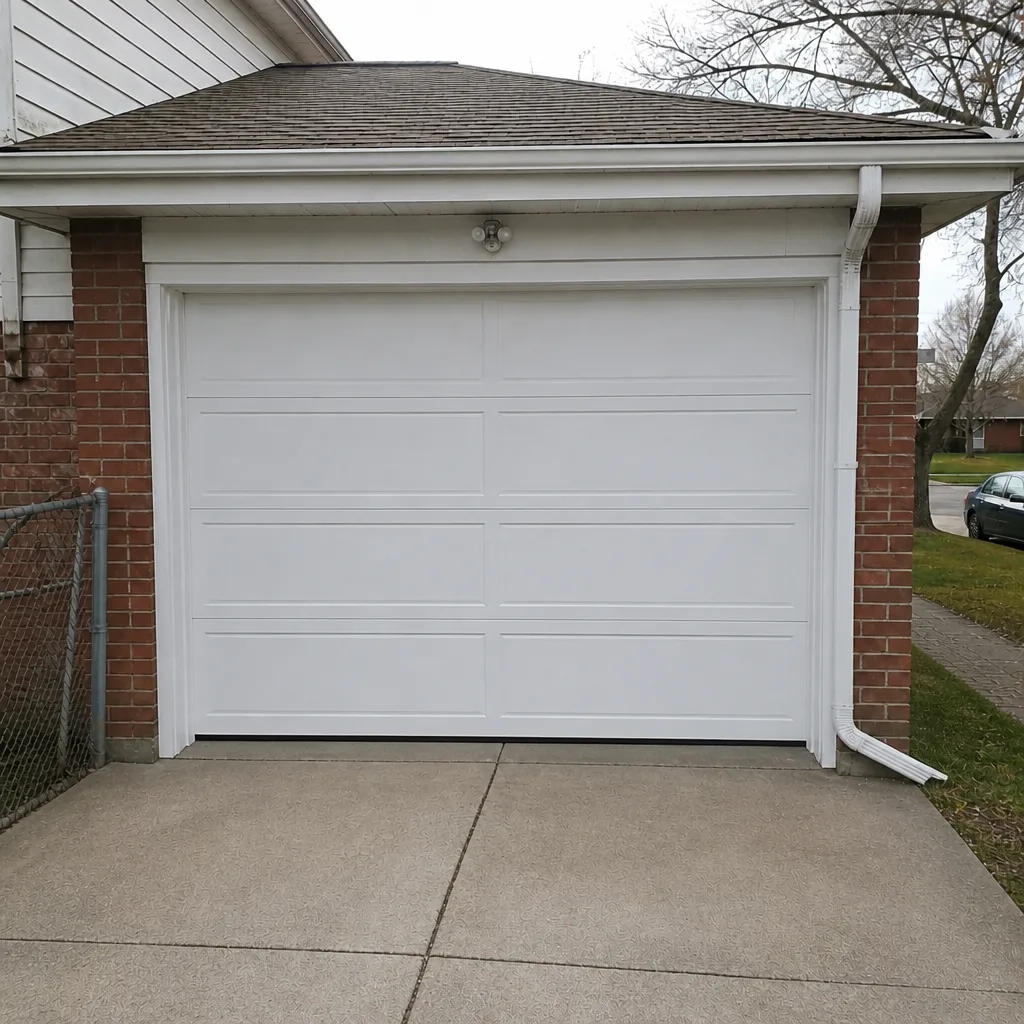 After
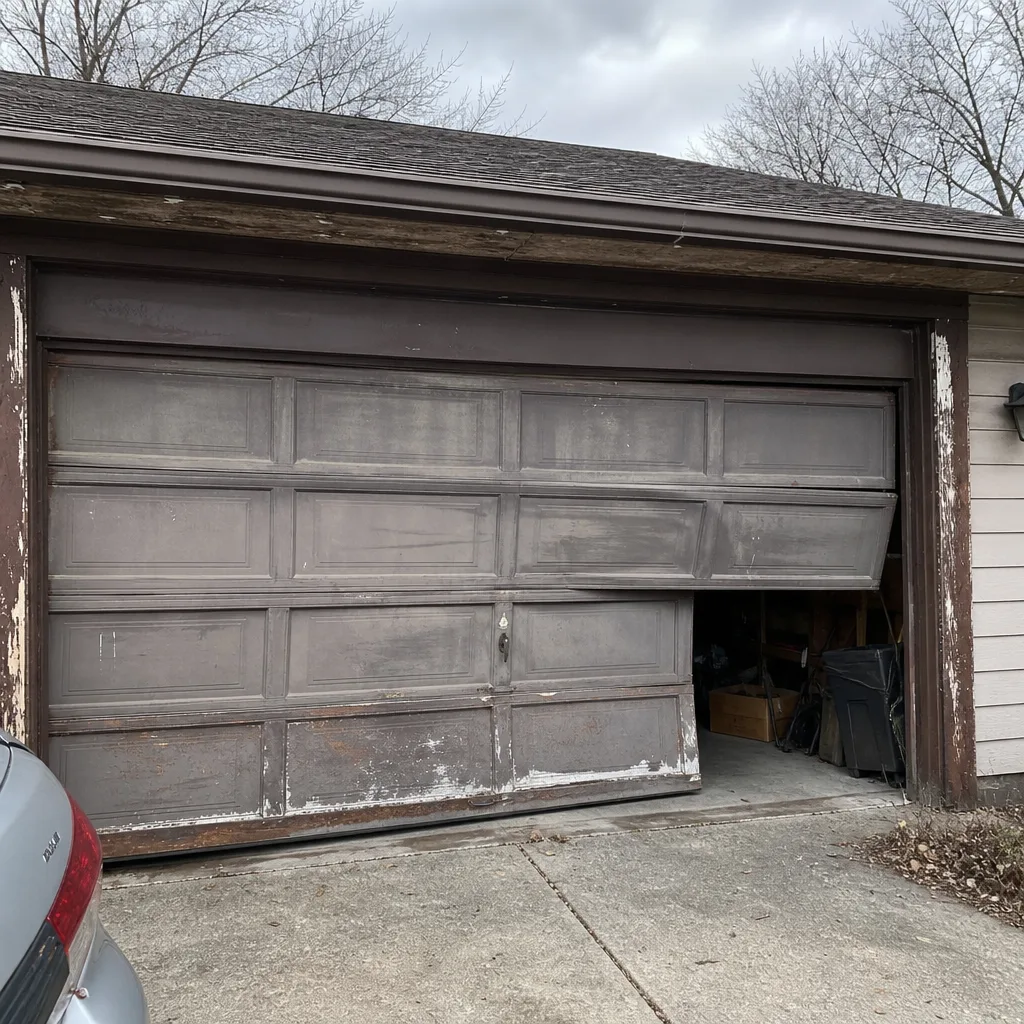 Before
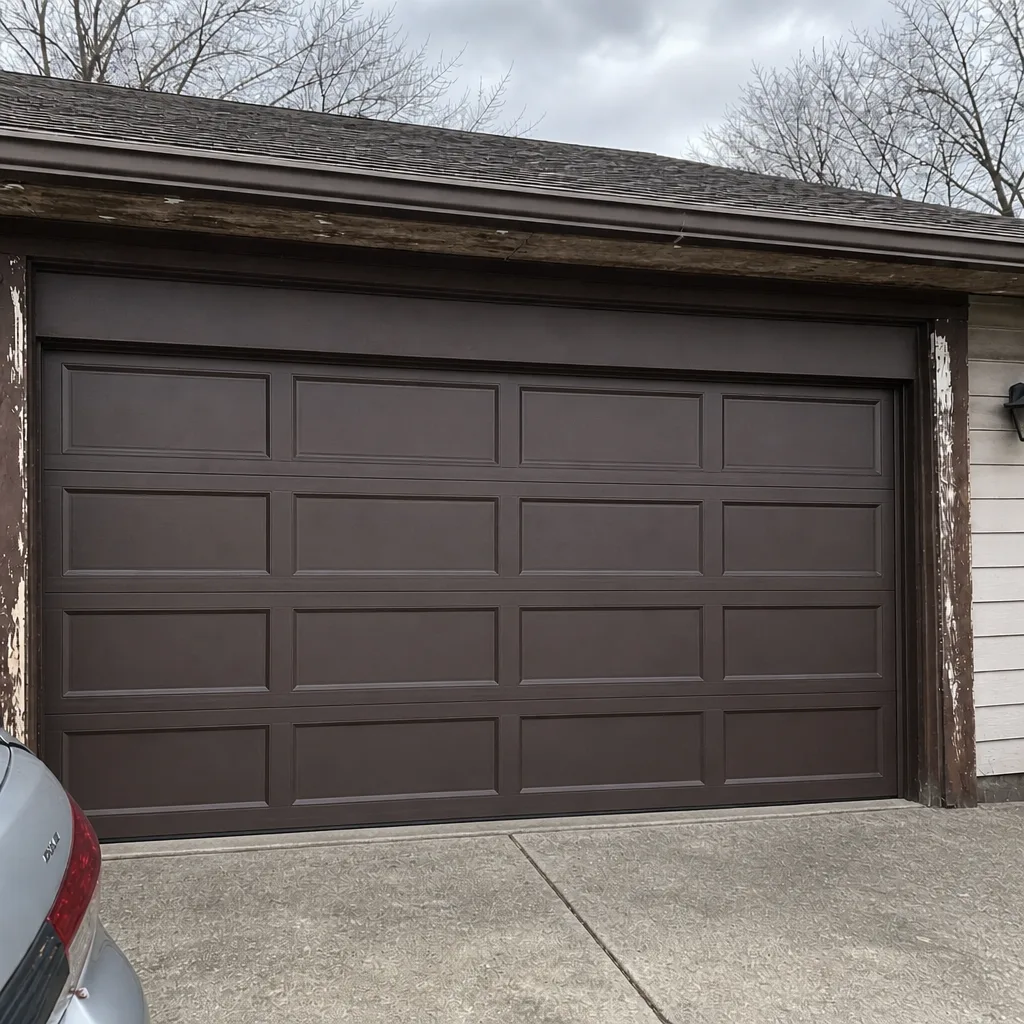 After
When to Call a Professional
Call a professional if a spring looks broken or the door won’t lift, if the door is off its track or hanging unevenly, if a cable is frayed or slack, if the opener runs but the door doesn’t move, or if a track is visibly bent. Those are all signs the door is unsafe to cycle, and none of them get better with time. The same is true if a balance test shows the door won’t hold its position, or a bottom seal is letting water in despite a clean threshold. Joliet Garage Door Repair Co offers free estimates in Joliet – call (855) 426-1669. We work on all the major brands, from a snapped spring on a 15-year-old door to an app-connected opener that won’t respond. Emergency service is a core part of what we do, and a skilled technician can usually tell you in minutes whether you’re looking at a repair or a replacement.
Frequently Asked Questions
Fall is the best time, ideally before the first hard freeze. The fall service pass catches the issues that cause winter breakdowns, and it’s the only season where every task is preventive rather than emergency. If you miss fall, the next best window is spring, when you can address the ground movement and seal problems that show up as the ice clears.
Because that’s when the combination of sustained cold and accumulated fall neglect catches up. Cold makes springs more brittle, doors stiffer, and every bit of friction worse. A spring that was already weak in October will often break on the first genuinely cold morning, and a seal that was cracked in summer can freeze the door to the floor. The failure looks sudden, but it’s been building since fall.
You can apply a garage door lubricant to the outside of the springs, which is safe and helps. You should not attempt to adjust the tension or wind the spring. That work requires a trained technician because the spring is under a load that can cause serious injury if released incorrectly. If a spring looks broken or sounds different, call a professional before operating the door.
Frost heave and ground movement are the usual causes in Joliet. Water in the soil freezes and expands, which can shift the slab or framing and push the bottom of the door out of line with the threshold. Sometimes the door is fine and the threshold has moved. Either way, the fix starts with an inspection to determine which part is out of line.
Yes, mostly in two slow ways. It hardens and shrinks rubber seals and weatherstripping, which leaves gaps by fall, and it puts sustained strain on the opener motor in a hot garage. Running a full open-close cycle in the heat of the day is a good habit, because a door that moves fine in the morning can bind in the afternoon heat.
We work on the major brands you’ll find in Joliet garages – LiftMaster, Chamberlain, Genie, Clopay, Amarr, Wayne Dalton, Craftsman, and Raynor, among others. That includes both app-connected openers and older mechanical systems. Our technicians have up to 13 years of experience and can assess the system already in your garage.
The Bottom Line
Joliet’s four seasons each stress a different part of your garage door, and the timing of your maintenance matters more than the length of your task list. Fall is the season that pays off, because the balance test, lubrication, and seal inspection you do in October are what prevent the snapped springs and frozen doors that show up in February. Winter is a watch-and-don’t-force season. Spring is when you deal with ground movement and water. Summer is when the rubber and the opener motor quietly age. Save the calendar, use it once a season, and keep the monthly habit going. Done that way, you’re maintaining the door instead of reacting to it.
Written by the team at Joliet Garage Door Repair Co.
If you’d rather have a trained eye look at the door before the season turns, or if something’s already not right, call Joliet Garage Door Repair Co at (855) 426-1669 for a free estimate. The price is quoted and agreed before any work starts, and the written estimate sets the final price. We answer 24/7. Fast dispatch from 7am to 7pm, Sunday through Friday. Whether your door needs a light tune-up, a spring replacement, or a full new door, we’ll tell you what we’d do in your position and why.