
Last updated November 21, 2026
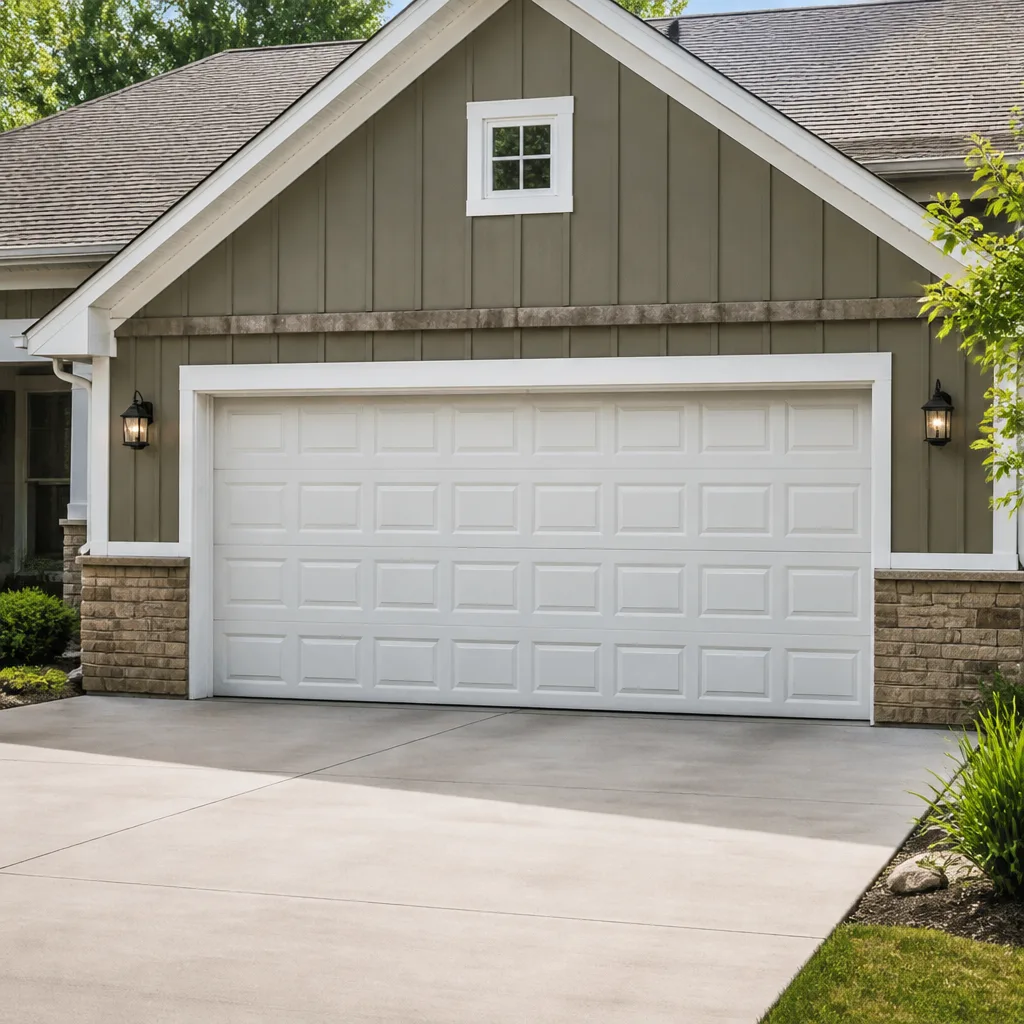 Raised-panel steel
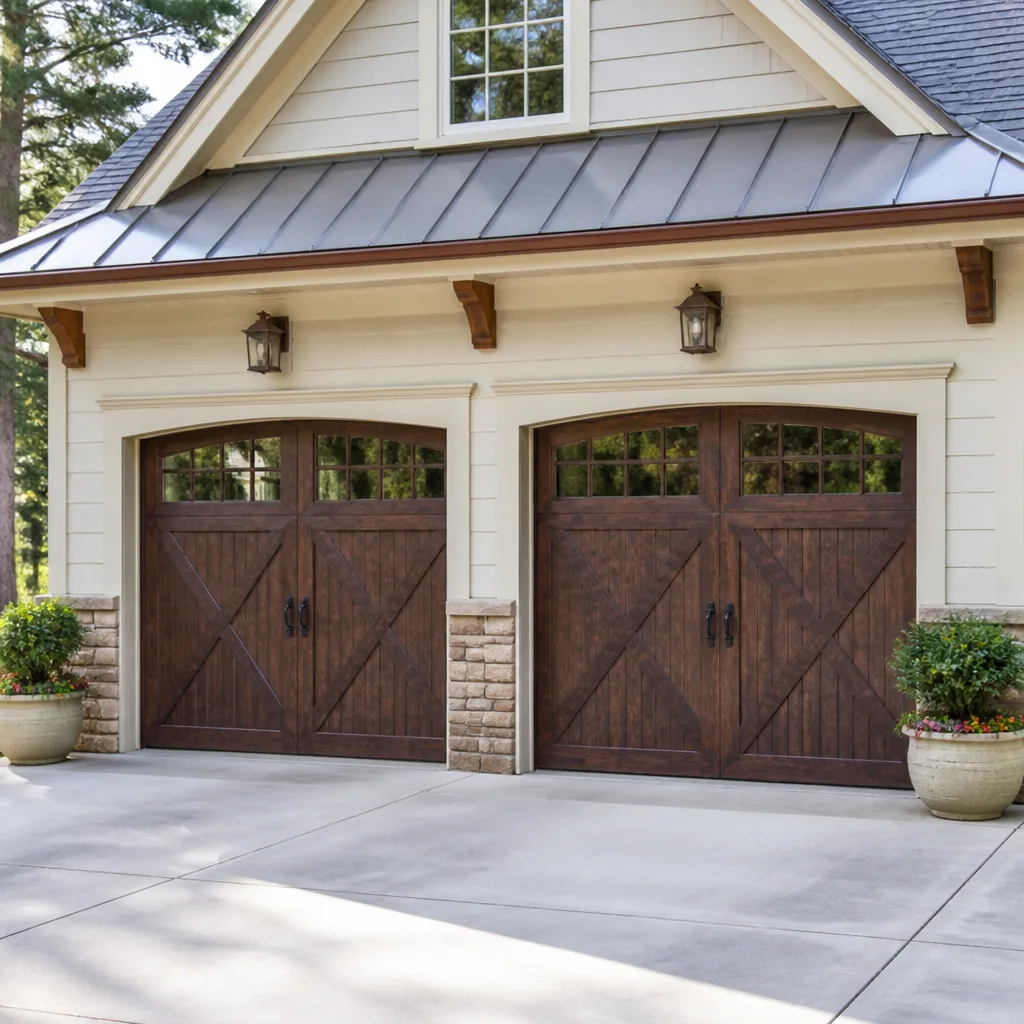 Carriage house
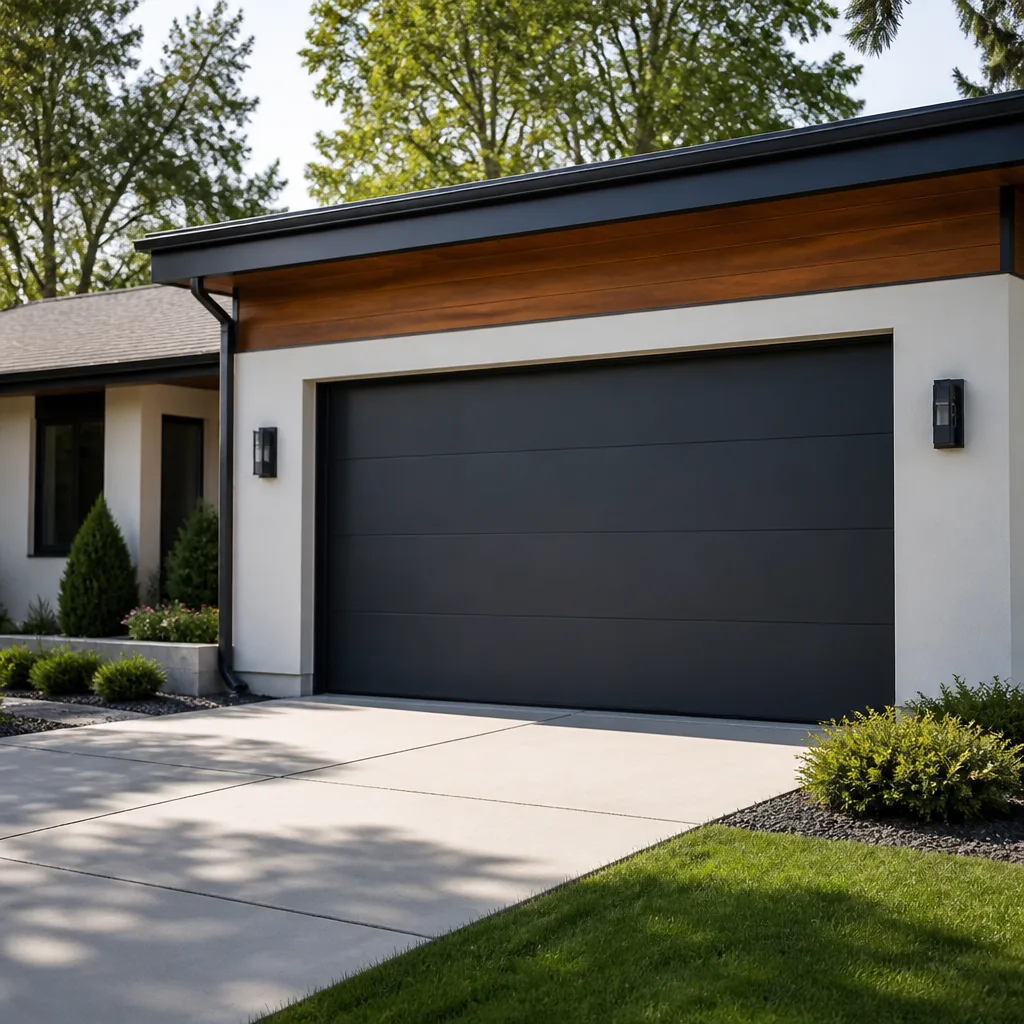 Modern flush
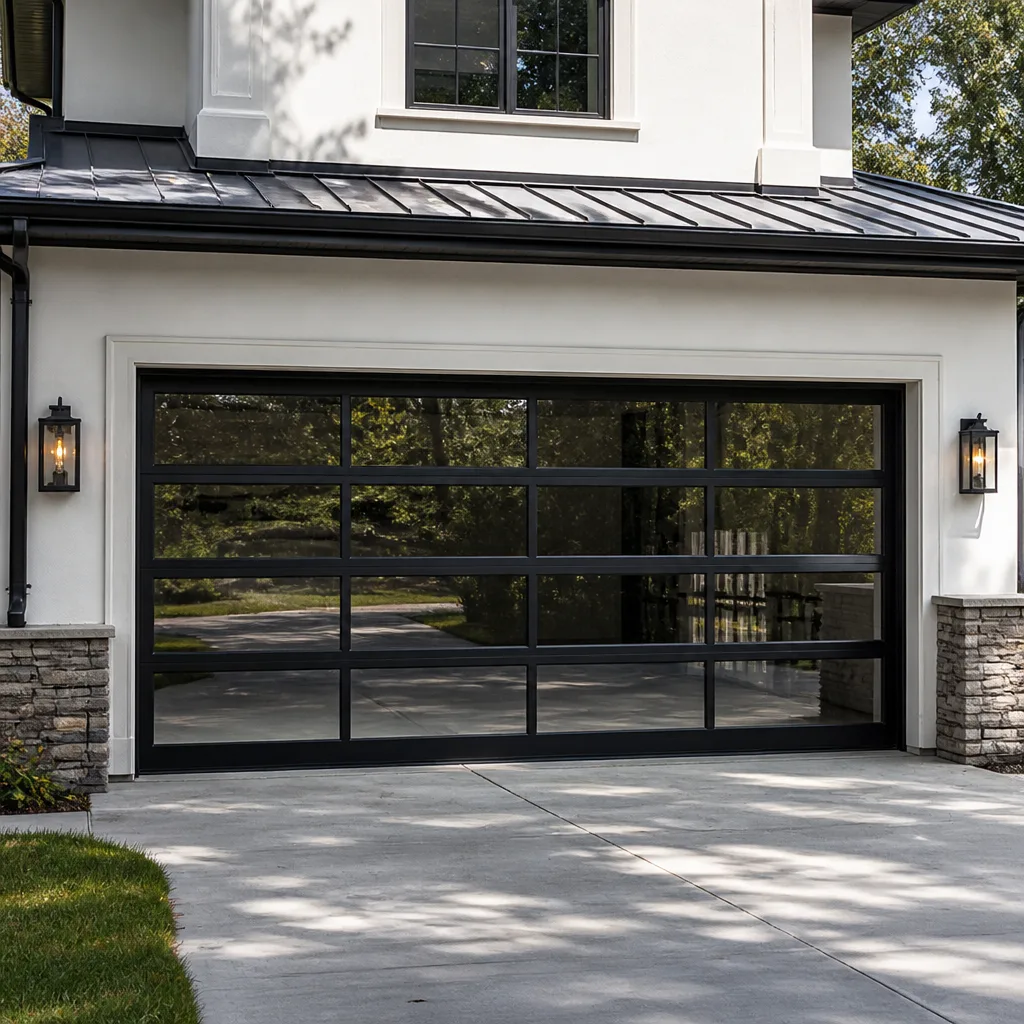 Full-view glass
 LiftMaster openers
 Chamberlain openers
Full 25-point door and opener safety check with every visit - springs, cables, rollers, tracks, and your LiftMaster or Chamberlain opener included
You get a price before we start. It does not change when the pro arrives.
Get your free estimateGarage Door Repair Maintenance Checklist for Joliet Homeowners
The number-one reason garage doors fail without warning isn’t age. It’s one missed lubrication point on the torsion spring that turns a small fix into a full spring replacement call. It takes about 90 seconds to check, and most homeowners never do it. We see doors in Joliet fail for reasons that were visible weeks earlier: a dry bearing plate, a frayed cable, a photo-eye knocked a half-inch out of line. This guide is a condition-based checklist, not a calendar. It’s organized by what actually breaks first, so you catch problems while they’re still cheap. By the end, you’ll know what to check, what to leave alone, and when to pick up the phone.
Quick Answer
A garage door maintenance checklist for Joliet homeowners should prioritize the highest-failure components first: torsion springs, cables, rollers and hinges, then the opener’s safety reversal and balance. Lubricate springs, hinges and bearing plates with a cold-rated lithium or silicone spray before each Illinois winter, test the safety reversal monthly, and never adjust springs or cables yourself. Most of this checklist takes under 15 minutes and prevents the repairs that trap a car or leave a home unsecured.
Styles & brands we work with
- Raised-panel steel
- Carriage house
- Modern flush
- Full-view glass
- LiftMaster openers
- Chamberlain openers
Table of Contents
- Why This Checklist Is Ordered by Failure Risk
- Inspection Cues for Torsion Springs Near Failure
- Lubrication That Survives Joliet Winters
- The 60-Second Safety Reversal Test
- Cables, Rollers and Hinges: The Wear Points
- Opener and Smart-System Checks
- Which Checks Are DIY-Safe and Which Aren’t
- Seasonal Timing for the Joliet Climate
Why This Checklist Is Ordered by Failure Risk
Most maintenance lists walk through a door top to bottom and give every part equal weight. That’s backwards. A worn roller makes noise. A failing torsion spring can drop a 200-pound door. The order below is built around what actually puts Joliet homeowners on the phone with a repair company, ranked by how likely the part is to fail and how serious the result is when it does. Springs and cables come first because their failure is sudden and dangerous. Rollers and hinges come next because they’re the most common wear items and cheap to replace. The opener and its safety systems come after, because an opener problem is usually a nuisance, not a hazard. Working in this order means you spend your 15 minutes on the parts that matter. It also means a door that passes the first three checks is very unlikely to fail in the next month.
The priority order at a glance
- Torsion springs and cables – highest failure consequence, inspect first.
- Balance and travel – a door that won’t hold halfway is under strain.
- Rollers, hinges and track – most common wear, easy to spot.
- Lubrication points – the 90-second step that prevents the rest.
- Safety reversal and photo-eyes – monthly, non-negotiable.
- Opener hardware and battery backup – check, don’t repair.
If any of the first two fail, stop and treat it as a repair call, not a maintenance item. That’s the line between a tune-up and a technician visit. For anything on the first two lines, the work is part of a proper garage door repair service, not a homeowner project.
Inspection Cues for Torsion Springs Near Failure
A torsion spring is within one season of snapping when you can see a visible gap in the coil, a stretch or sag in one section of the wind, or rust bleeding through the finish. Springs rarely break without warning. They fatigue gradually, and the metal tells you before it lets go. Most Joliet doors use two torsion springs mounted on a shaft above the door, and a matched pair usually fails within a short window of each other, which is why we recommend replacing both when one goes.
Visual cues to look for, with the door down
- A gap in the coil – even a 1/16-inch separation means the spring is stretched and losing tension.
- Rust pitting or orange streaks on the coil windings – a strong sign of fatigue under Illinois humidity swings.
- A noticeable sag where one section of the spring sits off-center from the rest.
- A door that feels heavier when you lift it manually – the spring is no longer carrying its share of the weight.
- A loud bang from the garage that you can’t otherwise explain – the classic sound of a spring letting go.
With the door closed and the opener disconnected, pull the emergency release and lift the door halfway. If it won’t stay put when you let go, the springs are out of balance and the opener is doing work it wasn’t built for. In our experience, a door that fails the balance test by more than a few inches is on borrowed time. Extension springs, still found on some older Joliet homes, carry the same risks and often have a safety cable running through them; if that cable is broken, treat it as urgent. Spring work is one of the highest-risk repairs in the trade, and we don’t recommend touching the springs or cables yourself under any circumstances. If you see any of the cues above, call for an inspection. Fast response and the right repair matter more here than anywhere else on this list. Look at the cost of a single spring, then a matched pair:
- One torsion spring replacement: typical estimate range, roughly $150 to $350 depending on door size and spring type.
- Matched pair (usual recommendation): about twice the single-spring figure.
- Extension spring replacement: similar range per spring, plus inspection of the safety cables.
Those are estimates, not quotes. The written estimate you get after a technician looks at your door is the price. Wondering what a spring repair is likely to run before you call? The numbers above give you a fair range, and the exact figure comes from the written estimate.
Lubrication That Survives Joliet Winters
The lubrication product matters more in Joliet than most homeowners realize. A thin general-purpose oil that feels fine in July thickens into gum by January, and gummed lubricant drags on the opener and attracts grit. Cold-rated silicone spray or a lithium grease rated for low temperatures is what you want. Both stay fluid below freezing and resist washing out in spring rain. Cheap WD-40-style penetrants are not lubricants; they’ll dissolve the old grease and leave the joint drier than before. We reach for a lithium-based spray on hinges and bearing plates and a silicone spray on the torsion spring coils and the track’s roller channels. In our experience, one application in late fall, before the first hard freeze, prevents most of the noisy-door calls we get in the coldest weeks of a Joliet winter.
The 90-second lubrication routine
- Door down, opener disconnected, power off. Never lubricate with the door in motion.
- Spray the torsion spring coils lightly along the length. A few passes are enough; don’t soak them.
- Hit every hinge pivot point – one spray per hinge, top to bottom on both sides of the door.
- Lubricate the bearing plates at each end of the torsion shaft, then the roller stems in their tracks.
- Wipe off excess so it doesn’t collect grit and gum up over winter.
Skip the opener rail and chain on belt-drive systems unless the manufacturer specifies lubricant. A little goes a long way; over-lubrication is almost as common a problem as none at all. If you’ve never done this on your door, it’s safe to start once you know where the points are.
The 60-Second Safety Reversal Test
A safety reversal test checks whether the opener will reverse when the door meets an obstacle. It takes under a minute, and it’s the single most important monthly check you can do. With the door open and the opener engaged, lay a 2×4 flat on the floor in the door’s path and press the close button. A working opener stops and reverses as soon as the door contacts the board. A failing opener keeps pressing down, or stops without reversing.
What a failure actually looks like
- The door presses the board instead of reversing – the force setting is too high, or the reversal sensor has failed.
- The door reverses before it touches the board – the travel limits have drifted and the door never properly closes.
- The door reverses partway then stops – a sign of a binding track or a struggling opener.
- No response at all – the opener may have a blown logic board or a dead motor capacitor.
Then check the photo-eyes. Two small sensors sit on either side of the door near the floor, and one sends an invisible beam to the other. Wave your hand through the beam while the door is closing; a working opener reverses instantly. If the door keeps going, the sensor is blocked, misaligned, or the wiring is loose. A dusty lens causes more false reversals than anything else, so wipe both lenses with a dry cloth before assuming the opener is broken. If the safety reversal fails after you clean the lenses and check the wiring, the opener needs a technician. That’s when our garage door opener repair service comes in; the safety systems are not something to leave half-working.
Cables, Rollers and Hinges: The Wear Points
Cables do the pulling that the springs can’t, and they’re the second-highest-risk component on the door. A cable that’s frayed, kinked, or has broken strands showing is a cable that can snap under tension and send the door slamming. Run your eyes along each cable from the drum to the bottom bracket, looking for a fuzzy texture or a kink. Any of that means stop and call. Never touch a cable under tension; the drum can unwind in a split second. Nylon rollers wear quiet and slow, then start clacking as they go flat on one side. Steel rollers last longer but run louder. On a Joliet door that sees freeze-thaw cycles, a roller that’s already cracked can fail outright on the first cold morning, so replace them in pairs when one shows wear. Hinges last years but eventually loosen at the pivot; a loose hinge lets the panel sag and the door drag.
The wear-point walk-through
- Cables – look for fraying, kinks, or slack on one side. Call a technician for any cable defect.
- Rollers – look for flat spots, cracks or missing stems. Noisy or wobbly rollers are a replacement signal.
- Hinges – check for play at the pivot and looseness where the hinge meets the panel.
- Track – look for dents, misalignment, or debris. A bent track that rubs the roller needs straightening, not tapping.
- Bottom bracket – where the cable attaches. A loose or rusted bracket is a safety issue; don’t tighten it yourself.
Any of these can turn a routine tune-up into a full repair. When we work on a door, we check every one of these points before we quote. If your door doesn’t have a well-known brand label, don’t worry: our technicians work with LiftMaster, Chamberlain, Genie, Clopay, Amarr, Wayne Dalton, Craftsman and Raynor, plus most other common systems, so there’s no brand restriction on what we can service.
Opener and Smart-System Checks
Most opener problems are really door problems. An opener that’s straining, reversing for no reason, or running hot is often fighting a binding track, a worn roller, or an unbalanced door. Before you replace the opener, have the door checked. That said, a few opener-specific items belong on your yearly list. Test the manual release: with the door closed, pull the cord and confirm the door releases cleanly and re-engages when you cycle the opener. Check the battery backup if your opener has one; a dead battery in an otherwise fine opener is a common surprise the first time the power goes out. For smart openers like those made by LiftMaster and Chamberlain, open the app and confirm the door reports its state correctly, and update the firmware if the manufacturer prompts you. Older mechanical units, like the classic Craftsman chain drives still going strong in many Joliet garages, have nothing to update but plenty of moving parts to check.
What’s worth checking on the opener itself
- Force setting – if the door presses rather than reverses on the 2×4 test, this is why.
- Travel limits – the door should close fully onto the floor without crushing the seal.
- Manual release cord – within reach, not tangled, and pulls cleanly.
- Battery backup – test it by unplugging the opener and cycling the door once.
- Wi-Fi and app control – confirm the app reports the door’s state and that alerts actually fire.
If the opener is chattering, making a grinding noise, or failing the safety reversal even after the door has been ruled out, it needs a technician on it. That’s a repair call, not a maintenance note. If the door itself is sound but the opener is at the end of its life, the same visit can scope a replacement alongside a full garage door installation if a new door is on the table.
Which Checks Are DIY-Safe and Which Aren’t
This is where most checklists get vague. The honest split isn’t complicated: if a part moves under spring or cable tension, it’s a technician’s job. If a part just sits in place and wears slowly, it’s yours. Springs, cables, and the bottom bracket hold stored energy even when the door is down, and the wrong move on any of them can cause serious injury. Hinges, rollers, track cleaning, sensor alignment, app settings and lubrication are all safe for a careful homeowner to handle. The reasoning isn’t liability boilerplate; it’s physics. Springs and cables are under hundreds of pounds of tension and have no safe failure mode. DIY on those parts is a real risk to life and limb, and no savings justify it.
Safe to do yourself
- Lubricating springs, hinges, bearing plates and roller stems.
- Wiping down the photo-eye lenses and re-aiming a knocked sensor.
- Tightening a loose hinge screw that won’t move.
- Running the safety reversal test and the balance test.
- Checking opener app settings and battery backup.
- Cleaning debris out of the track (door fully open, opener disconnected).
Call a technician
- Any work on torsion or extension springs, including adjustment.
- Any work on cables, drums, or the bottom bracket.
- Track straightening if it’s bent or misaligned.
- Force setting and travel limit changes on the opener if the door has been ruled out.
- Any part that’s visibly broken, cracked, or missing.
If in doubt, treat it as a technician item. Our team can walk through the whole checklist with you on a single visit, and a free estimate tells you whether anything actually needs work.
Seasonal Timing for the Joliet Climate
Joliet gets real winters: repeated freeze-thaw cycles, road salt tracked in, and weeks where the garage stays cold enough to slow every moving part. The best time to work the checklist is late fall, before the first hard freeze. Lubricant applied in October is still doing its job in February; lubricant applied in July may have thinned out by January. Check the door again in early spring for winter damage, especially corrosion on the hinges and rollers and any sag in the springs. Mid-summer is a good time for the opener checks, when you’re not fighting the cold to run the safety reversal test. If you have the door closed for weeks on end in winter, work the checklist before you open it up for the first spring thaw; that’s when a stuck part shows itself.
Aim for three check-ins a year
- Late fall – lubricate every hinge, spring and bearing plate, and confirm the balance test passes before the cold sets in.
- Early spring – inspect for winter wear: cable fraying, roller cracks, corrosion on hinges.
- Mid-summer – run the safety reversal test and check the opener’s app and battery backup.
One full monthly safety reversal test, plus the three check-ins above, keeps a door in good shape for years. And if the door fails any check at any time of year, the answer is the same: get a technician to look at it. There’s no seasonal excuse for a safety system that doesn’t work.
Common Mistakes to Avoid
- Lubricating with a general-purpose oil. It gums up in Joliet’s cold and drags on the opener by winter. Use a cold-rated lithium grease or silicone spray.
- Replacing one torsion spring instead of the pair. The second spring is usually the same age and fatigue, so it fails soon after. Replace matched pairs when one goes.
- Adjusting the opener’s force setting to fix a reversing door. Raising the force makes the symptom go away and defeats the safety system. The real fix is on the door.
- Ignoring a slightly out-of-balance door. A door that hangs a few inches off test puts every lift on the opener and shortens its life. It’s a fix-now item, not a watch item.
- Assuming a photo-eye failure is an opener failure. Nine times out of ten, a dirty lens or a bumped sensor is the whole problem. Wipe the lenses and re-aim before calling.
- DIY on cables and springs. These parts hold stored energy even with the door down. The savings aren’t worth the risk.
- Waiting for a loud bang. Springs and cables give warning signs long before they snap. Check the visual cues; don’t wait for the noise.
See the difference
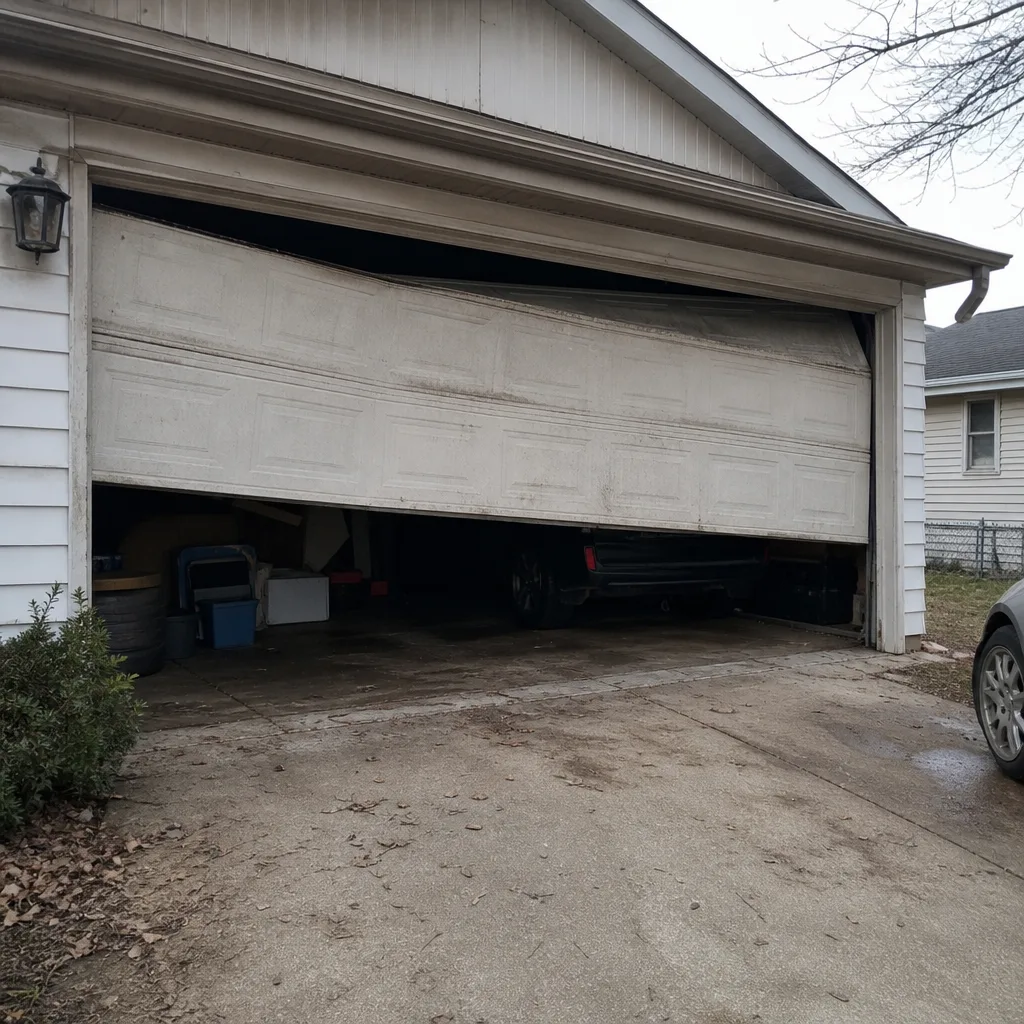 Before
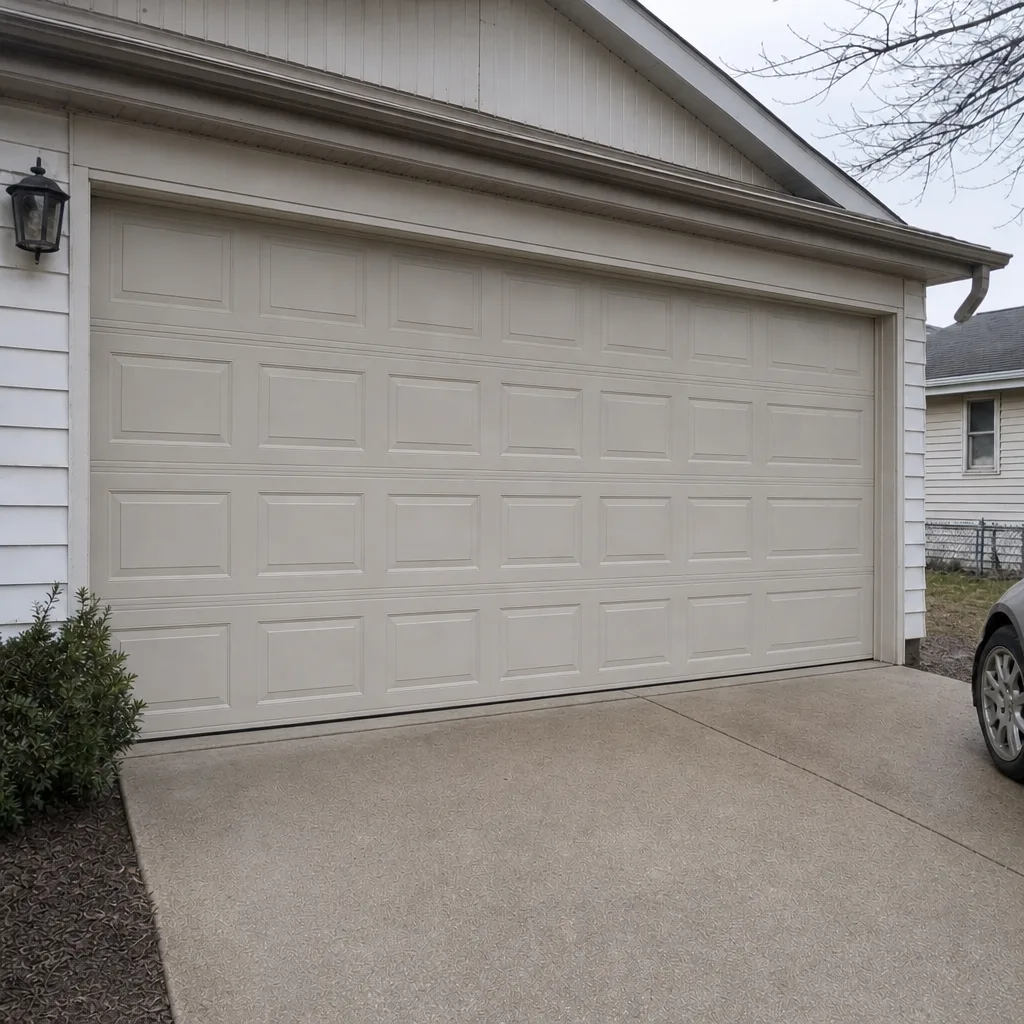 After
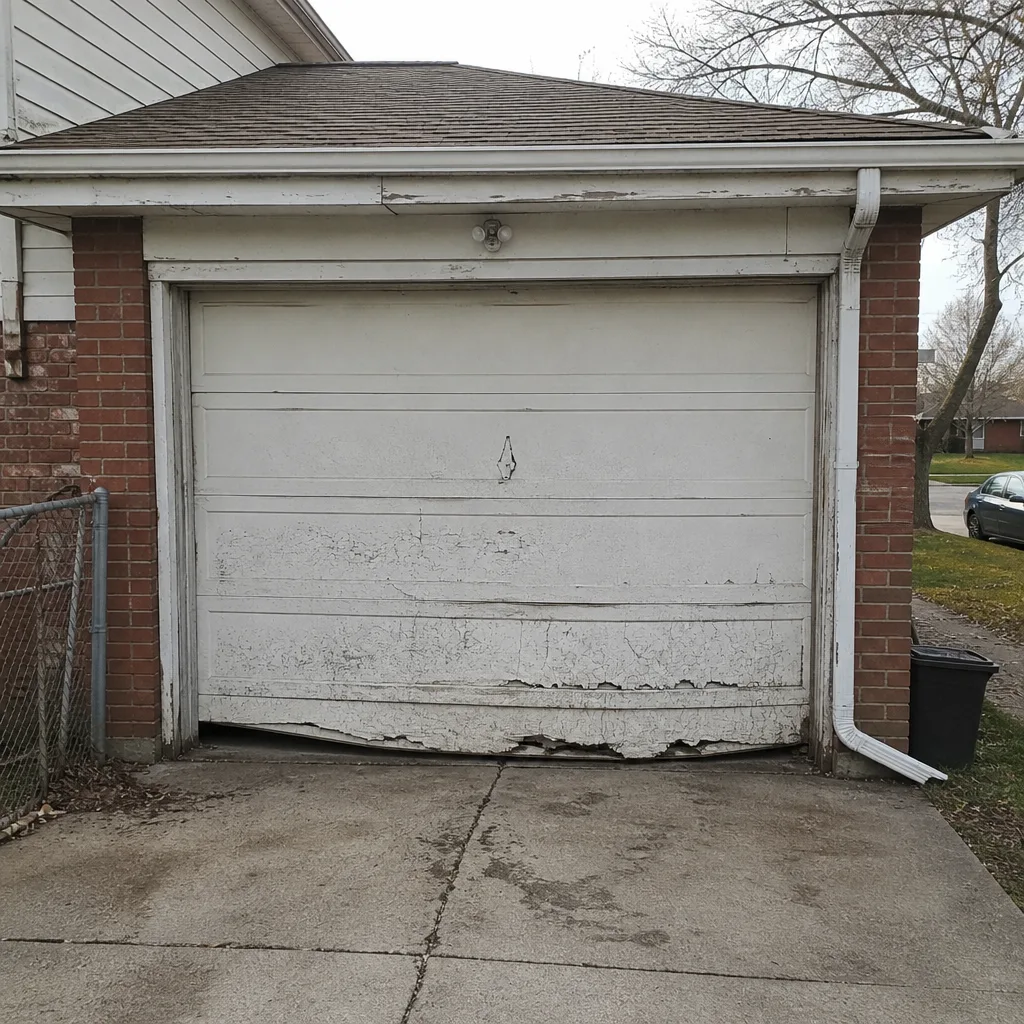 Before
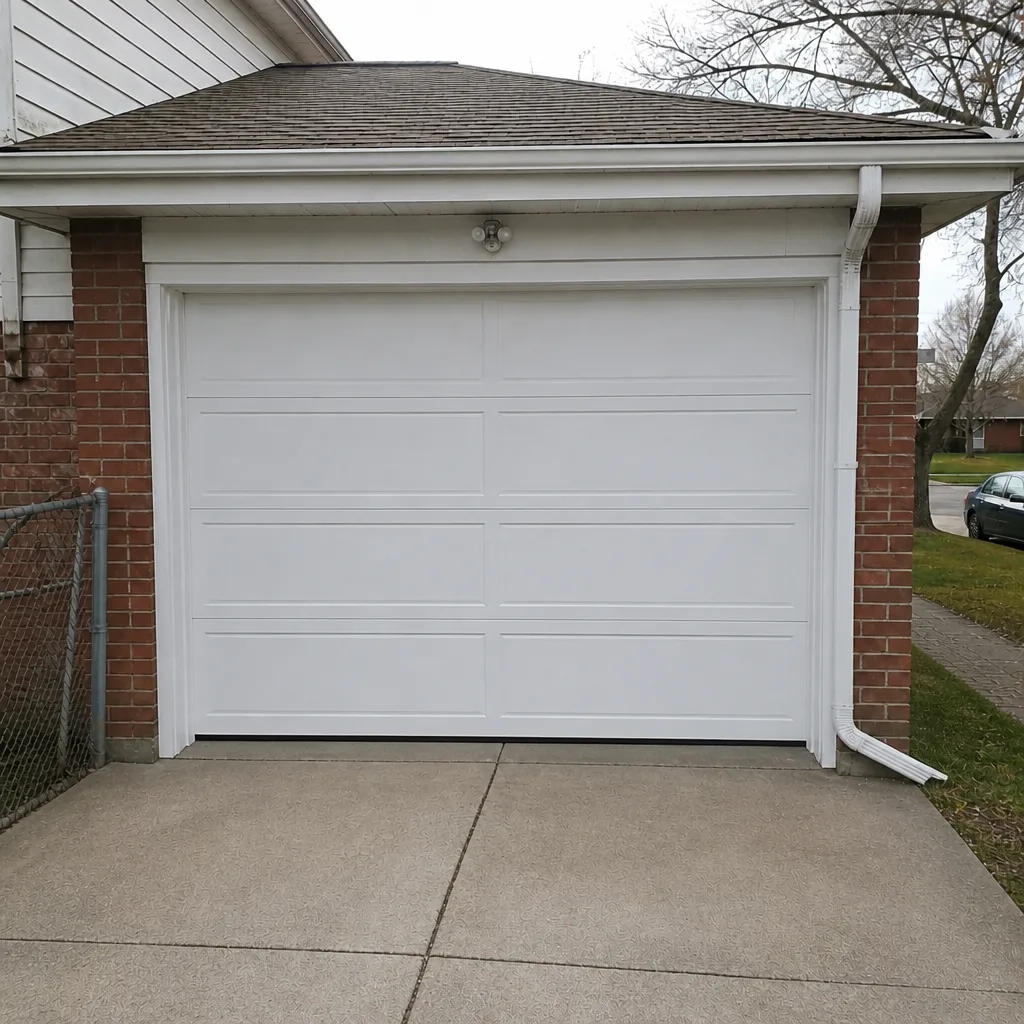 After
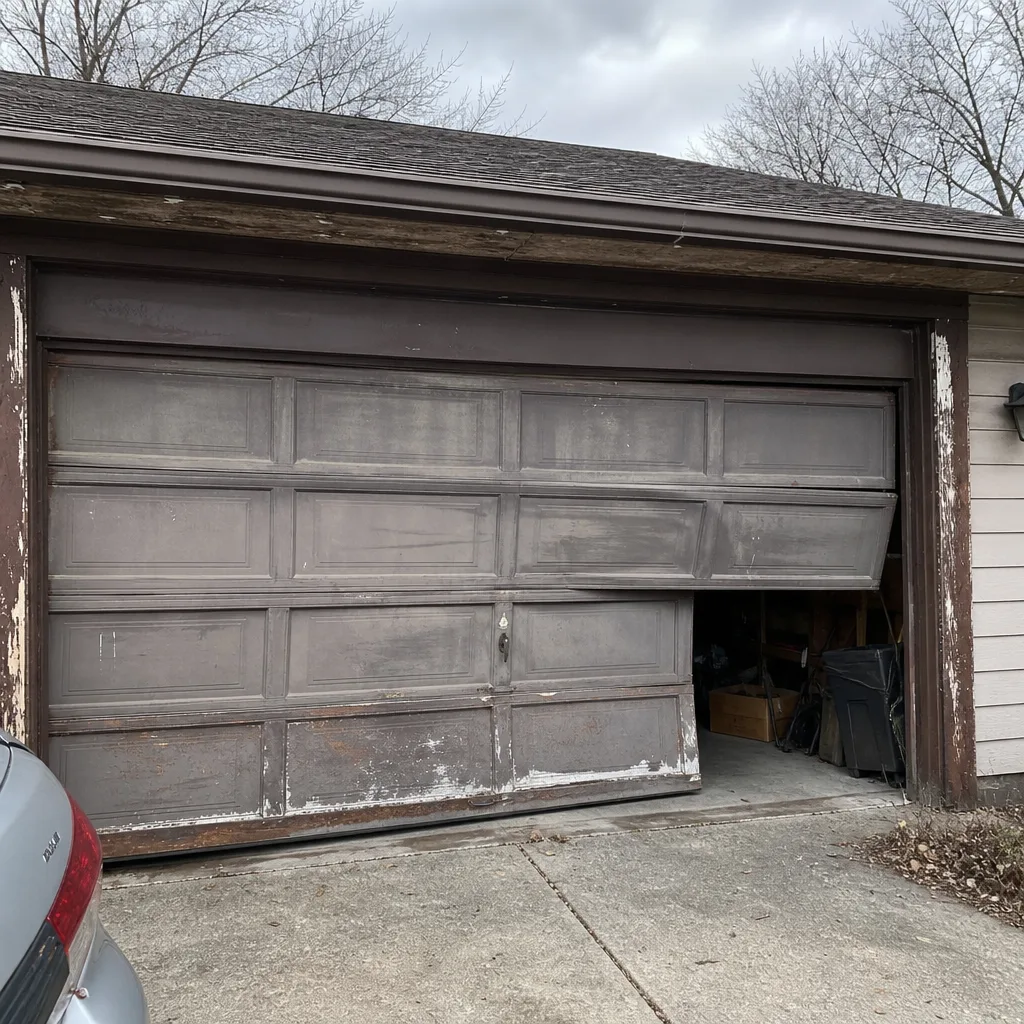 Before
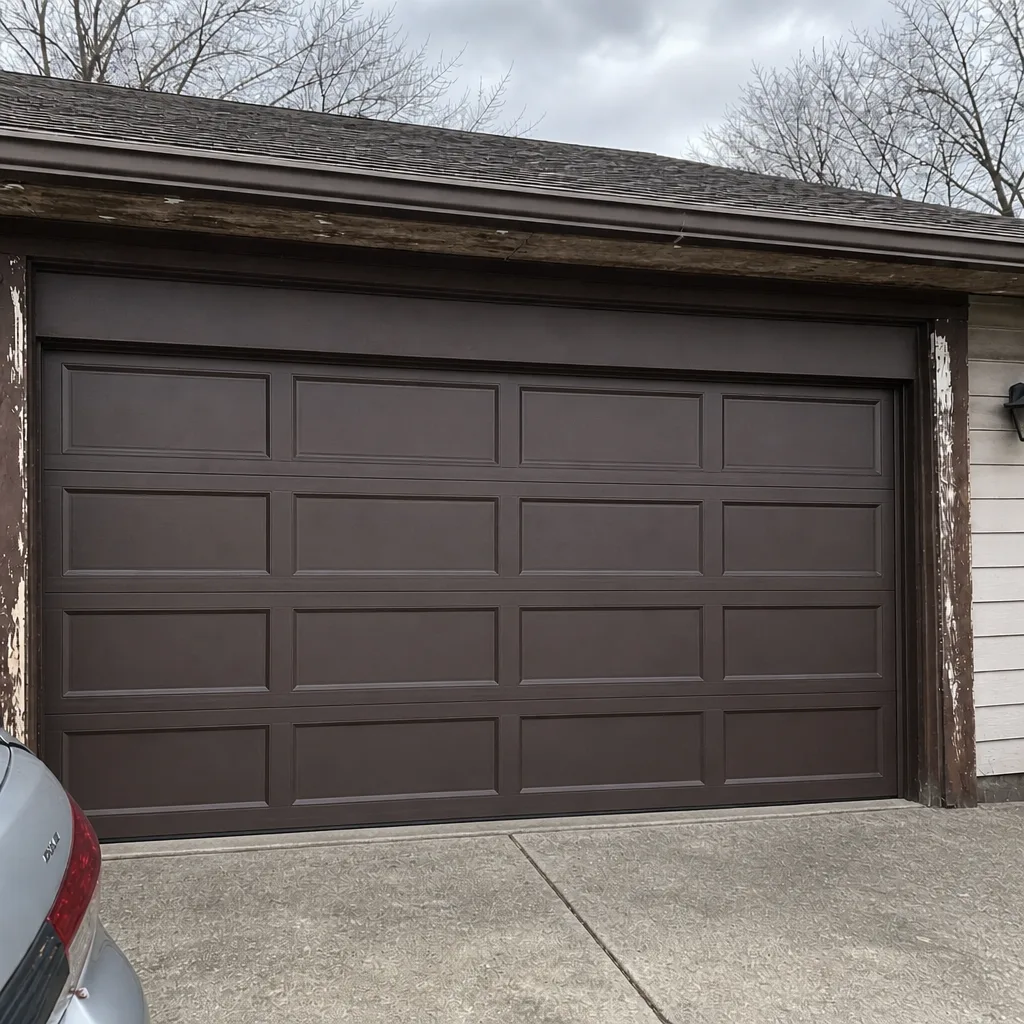 After
When to Call a Professional
Call a professional for anything involving springs, cables, the bottom bracket, or a bent track. Call if the door fails the balance test, the safety reversal test, or both. Call if the opener keeps reversing after the door has been ruled out, if the door has come off its track, or if the garage won’t open and a car is trapped inside. Call if your door has been sitting unused and you aren’t sure of its condition. Joliet Garage Door Repair Co offers free estimates in Joliet. Call (855) 426-1669. We answer 24/7, with fast dispatch from 7am to 7pm, Sunday through Friday, and closed Saturday. Same-day service is a real option for urgent repairs like a snapped spring or a door off track. For anything beyond a look, the local pro we connect you with is licensed and insured as their state requires, so ask for their credentials on the call and you’ll have them before work starts. Every job is quoted and agreed before anything begins, so there’s no surprise on the invoice.
Frequently Asked Questions
Run a full lubrication pass twice a year and the 60-second safety reversal test once a month. The safety test is the fastest way to catch a problem before it traps a car or leaves the house unsecured, and the lubrication pass is what keeps the springs and hinges quiet and smooth through a Joliet winter. Call (855) 426-1669 to schedule a technician to walk the full list with you – estimates are free.
Yes, lubricating the springs with a cold-rated silicone or lithium spray is safe for a homeowner. The springs don’t move when you spray them; the danger is in adjusting or replacing them. Never touch a torsion spring’s winding bars, cables, or bottom bracket. If you’re unsure which parts you can safely reach, call (855) 426-1669 and we’ll walk you through it – the estimate is free.
A torsion spring breaking sounds like a sharp, loud bang – like a gunshot from the garage – and is often followed by a door that suddenly won’t open or can’t be lifted. If you hear a bang and the door won’t budge, don’t force it. Call (855) 426-1669 for a same-day repair; estimates are free.
We work on all of the most common brands, including LiftMaster, Chamberlain, Genie, Clopay, Amarr, Wayne Dalton, Craftsman and Raynor – plus most others found in Joliet garages. There’s no brand restriction. Call (855) 426-1669 with the make and model on your unit and we’ll tell you what’s likely and how soon we can get there – estimates are free.
No – the price is set by the written estimate and agreed before any work starts. If the technician finds something the inspection missed, you’ll get a revised quote before they proceed, and you can say no. Call (855) 426-1669 for a free estimate.
Cold weather is the usual culprit for a door that reverses partway in Joliet winters – the opener is reacting to increased resistance from a stiff track, a hardened roller, or a force setting that’s too sensitive. A dirty photo-eye lens can cause the same symptom. Wipe the lenses and check for debris first. If it keeps happening, call (855) 426-1669; the fix is usually a quick adjustment or a worn-roller replacement, and estimates are free.
The Bottom Line
A garage door maintenance checklist works when it’s ordered by failure risk, not by calendar. Springs and cables first, because their failure is dangerous. Lubrication second, because cold-rated product before a Joliet winter prevents most of the noise and strain that lead to opener problems. Safety reversal monthly, forever. Everything else is a fix-now-or-watch-now call, and the honest split on DIY is simple: you own the screws and the cleaning, a technician owns anything under spring or cable tension. Fifteen minutes a month, a late-fall lubrication pass, and a phone call when something fails keeps a door reliable for years. If your door has been sitting dormant or the checklist turned up a defect, our Joliet team can take it from there.
Call Joliet Garage Door Repair Co at (855) 426-1669 for a free estimate. We answer 24/7. Fast dispatch from 7am to 7pm, Sunday through Friday, closed Saturday. From snapped spring to full installation, your door, done right. Need a starting point for the wider project? Start at Joliet Garage Door Repair Co and we’ll route you to the right service on that first call.
Written by the team at Joliet Garage Door Repair Co.